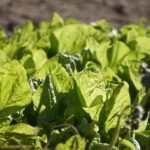
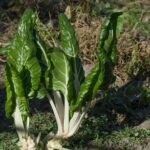
Bone health is often synonymous with calcium and Vitamin D, yet emerging research highlights the indispensable role of Vitamin K, a nutrient abundantly found in Swiss chard. As the global population ages, the prevalence of osteoporosis and osteopenia continues to rise, necessitating a dietary approach that goes beyond dairy products. Swiss chard, a leafy green powerhouse, offers a unique nutritional profile that directly supports skeletal integrity through complex biochemical mechanisms. This article explores how the high Vitamin K content in Swiss chard activates essential proteins required for bone mineralization, how it interacts with other micronutrients, and the best methods to prepare this vegetable to maximize its bioavailability for optimal bone density.
The Nutritional Architecture of Swiss Chard
Swiss chard (Beta vulgaris subsp. vulgaris) belongs to the Chenopodiaceae family, sharing a lineage with beets and spinach. While it is celebrated for its vibrant stalks and versatility in culinary applications, its micronutrient density is what makes it a therapeutic food for skeletal health. Unlike many other vegetables, Swiss chard provides a comprehensive suite of bone-supporting nutrients.
A single cup of cooked Swiss chard provides well over 600% of the Daily Value (DV) for Vitamin K. This is primarily in the form of phylloquinone, also known as Vitamin K1. While calcium provides the raw material for building bone tissue, it requires a biological signaling network to be deposited correctly within the bone matrix. This is where the nutritional profile of chard becomes critical. In addition to Vitamin K, it contains significant amounts of magnesium, potassium, and antioxidants like beta-carotene, all of which contribute to reducing oxidative stress that can damage bone cells.
Understanding the full spectrum of benefits of leafy greens helps us appreciate why chard is superior to many other vegetables. While spinach acts similarly, chard often contains a broader range of phytonutrients that support systemic health.
The Biochemical Role of Vitamin K in Bone Health
To understand why Swiss chard is effective for bones, one must understand the enzymatic function of Vitamin K. Vitamin K is not merely a bystander; it is a cofactor for the enzyme gamma-glutamyl carboxylase. This enzyme is responsible for the post-translational modification of specific proteins, a process known as carboxylation.
Activation of Osteocalcin
The most critical protein regarding bone density is osteocalcin. Produced by osteoblasts (bone-building cells), osteocalcin acts as a glue that binds calcium to the bone matrix. However, when newly synthesized, osteocalcin is inactive. It requires Vitamin K to undergo carboxylation, transforming it into its active form (cOC).
When an individual suffers from a sub-clinical Vitamin K deficiency, a high percentage of their osteocalcin remains undercarboxylated (ucOC). Research suggests that high levels of undercarboxylated osteocalcin are a biomarker for increased fracture risk. By consuming Vitamin K-rich foods like Swiss chard, you facilitate the conversion of inactive osteocalcin to its active form, ensuring that calcium is effectively anchored into the skeletal structure. For more on the symptoms of nutrient deficiencies, read about calcium deficiency symptoms and how they correlate with low Vitamin K intake.
Regulation of Matrix Gla Protein
Beyond osteocalcin, Vitamin K regulates Matrix Gla Protein (MGP). While osteocalcin brings calcium into the bones, MGP prevents calcium from depositing in soft tissues, such as arteries and cartilage. This “traffic control” mechanism is vital. Without sufficient Vitamin K from sources like chard, calcium may drift into arterial walls, leading to calcification, while bones remain porous and brittle. This dual-action protection highlights the importance of getting adequate micronutrients, as detailed by the National Institutes of Health (NIH) fact sheet on Vitamin K.
Synergy: Vitamin K, D, and Calcium
Nutrients rarely work in isolation. Swiss chard serves as a hub for nutrient synergy, particularly when integrated into a balanced diet. The skeletal system relies on a triad of nutrients: Calcium, Vitamin D, and Vitamin K.
Vitamin D stimulates the absorption of calcium from the intestines. However, once calcium is in the bloodstream, Vitamin D relies on Vitamin K to direct that calcium to the bones. If you have high levels of Vitamin D and Calcium but low Vitamin K, you risk soft tissue calcification. Therefore, incorporating Swiss chard into a diet that also includes vitamin D sources creates a metabolic environment conducive to strong bones.
Furthermore, Swiss chard contains magnesium. Magnesium converts Vitamin D into its active form. It is estimated that a significant portion of the population is deficient in magnesium, which renders Vitamin D supplementation less effective. Exploring magnesium benefits reveals that this mineral is structurally incorporated into bone and influences the activity of osteoblasts and osteoclasts. Swiss chard provides a natural, plant-based source of this essential mineral.
Bioavailability and Absorption Challenges
While the nutrient content of Swiss chard is impressive on paper, bioavailability determines how much your body actually utilizes. There are two primary factors to consider when relying on Swiss chard for bone health: the fat-soluble nature of Vitamin K and the presence of anti-nutrients like oxalates.
The Necessity of Dietary Fat
Vitamin K is a fat-soluble vitamin. Unlike Vitamin C, which dissolves in water, Vitamin K requires dietary fat for absorption in the intestine. Eating steamed Swiss chard plain may result in poor absorption of phylloquinone. To maximize the benefits, it is imperative to consume chard with a source of healthy fat. This could be olive oil, avocado, or nuts. You can learn more about choosing the right lipids in our guide to healthy cooking oils.
Studies cited by Harvard T.H. Chan School of Public Health indicate that consuming vegetables with fat significantly increases the plasma concentration of fat-soluble vitamins compared to consuming them without fat. This simple culinary adjustment can dramatically alter the therapeutic potential of your meal.
Managing Oxalates
Swiss chard, like spinach and beet greens, contains oxalates (oxalic acid). Oxalates can bind to calcium in the gastrointestinal tract to form calcium oxalate, which is excreted rather than absorbed. This means that while Swiss chard contains calcium, the calcium within the chard is not highly bioavailable. However, the Vitamin K benefits are unaffected by oxalates.
The key takeaway is to rely on Swiss chard for its Vitamin K and magnesium, not necessarily as your primary source of calcium. Furthermore, for individuals prone to kidney stones, managing oxalate intake is crucial. Read our detailed analysis on foods high in oxalates to understand how to balance this in your diet. Boiling chard and discarding the water can reduce oxalate content by up to 50%, although this may also leach some water-soluble vitamins.

Comparative Analysis: Swiss Chard vs. Other Greens
When designing a diet for osteoporosis prevention tips, variety is key, but how does chard stack up against competitors like kale or collard greens?
- Kale: Lower in oxalates than chard, making its calcium more bioavailable. However, chard often surpasses kale in magnesium content.
- Collard Greens: Exceptionally high in bioavailable calcium and Vitamin K.
- Spinach: Very high in oxalates, similar to chard.
Swiss chard stands out due to its specific antioxidant profile, including syringic acid, which has shown potential in regulating blood sugar—a factor that indirectly protects bone health, as diabetes is a risk factor for osteoporosis. According to data from the USDA FoodData Central, the sheer volume of Vitamin K in chard makes it one of the most efficient ways to hit your daily targets.
Culinary Applications for Bone Density
Integrating Swiss chard into your diet requires methods that preserve its nutrient density while making it palatable and absorbable. Overcooking greens can degrade heat-sensitive antioxidants, although Vitamin K is relatively heat-stable. The ideal preparation involves distinct steps to handle the fibrous stalks and the delicate leaves.
For optimal bone health support, consider sautéing the stalks first (as they take longer to cook) in olive oil and garlic, then adding the leaves for the final two minutes. This ensures the provision of fat for absorption. Pairing this side dish with fatty fish like salmon provides the Vitamin D necessary to complete the synergistic triad. If you are following an anti-inflammatory diet guide, this combination helps reduce systemic inflammation, which is known to accelerate bone resorption.
Risks and Considerations
While Swiss chard is beneficial for the majority, there are specific medical contexts where caution is warranted. The most significant interaction involves anticoagulant medications, such as warfarin (Coumadin).
Interaction with Blood Thinners
Warfarin works by inhibiting the recycling of Vitamin K, thereby reducing the clotting ability of the blood. Sudden increases in dietary Vitamin K can counteract the medication’s effects, increasing the risk of blood clots. However, modern advice from organizations like the Mayo Clinic suggests that patients should not necessarily avoid Vitamin K but rather maintain a consistent intake. This allows the dosage of the medication to be calibrated to the diet. Consistency is key.
Kidney Health
As previously mentioned, high oxalate consumption can lead to nephrolithiasis (kidney stones). Staying well-hydrated and consuming adequate calcium from other sources can help bind oxalates in the gut before they reach the kidneys. For those concerned about renal function, consulting Cleveland Clinic resources on low-oxalate diets is advisable.
Lifestyle Factors Influencing Bone Density
Diet is a cornerstone, but it must be supported by lifestyle. Consuming Swiss chard will yield the best results when combined with weight-bearing exercise. Mechanical stress on the bones signals osteoblasts to lay down new tissue, a process fueled by the nutrients discussed. Our guide on bone density exercises outlines the best movements to pair with a high-nutrient diet.
Furthermore, hormonal balance plays a significant role, particularly for women. Post-menopausal women experience a drop in estrogen, leading to accelerated bone loss. In this demographic, the role of Vitamin K becomes even more critical to mitigate the loss of density. Reviewing strategies for post-menopausal health can provide a broader context for why greens are essential during this life stage.
Scientific Consensus and Future Directions
Current research continues to validate the correlation between green leafy vegetable intake and reduced fracture rates. A study published in the National Library of Medicine (PubMed) highlighted that participants with the highest phylloquinone intake had a significantly lower risk of hip fractures compared to those with the lowest intake. The Bone Health & Osteoporosis Foundation also emphasizes a food-first approach to obtaining nutrients, warning that supplements may not always offer the same bioavailability as the complex matrix found in whole foods like chard.
Moreover, the Centers for Disease Control and Prevention (CDC) notes that only one in ten adults meets the federal fruit or vegetable recommendations. Incorporating Swiss chard is a potent way to correct this deficit. The Arthritis Foundation also supports the intake of dark leafy greens to manage inflammation, which benefits both joints and bones.
Finally, for a complete understanding of daily requirements, the FDA’s Daily Value guidelines provide the benchmarks necessary for tracking your Vitamin K intake.
Takeaway
Swiss chard is far more than a colorful garnish; it is a functional food with a profound impact on bone health. Its exceptionally high Vitamin K content drives the carboxylation of osteocalcin, the protein essential for locking calcium into bone tissue. While it contains oxalates that may limit calcium absorption from the leaf itself, its role in regulating calcium from the rest of the diet is unmatched.
To maximize the skeletal benefits of Swiss chard, consume it with healthy fats, prepare it to reduce oxalate content if necessary, and integrate it into a lifestyle that includes Vitamin D, weight-bearing exercise, and overall nutritional balance. By prioritizing this nutrient-dense green, you are taking a proactive, evidence-based step toward preserving bone density and reducing fracture risk as you age.