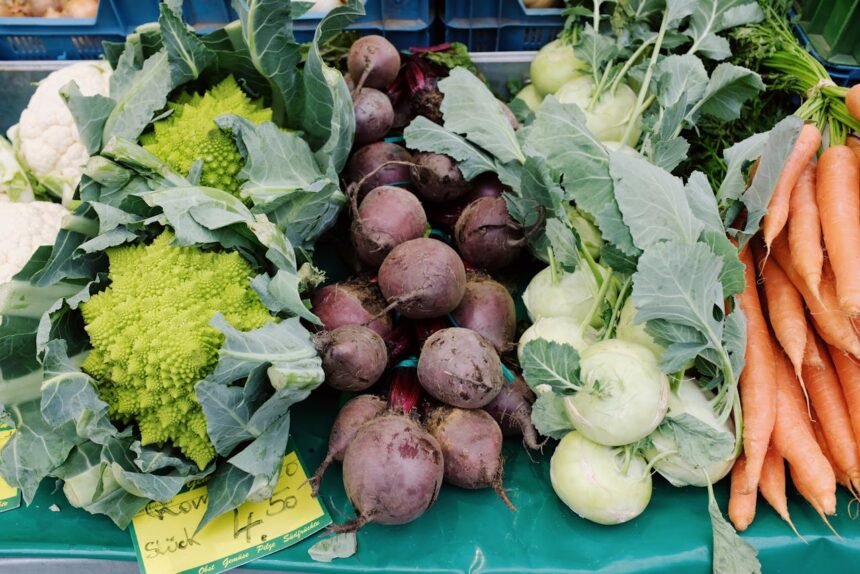
Cauliflower has experienced a meteoric rise in popularity over the last decade. Once relegated to a boiled side dish often smothered in cheese sauce, it has transformed into a culinary superstar, replacing rice, pizza crusts, and even buffalo wings.
However, while its versatility is celebrated, the true power of this cruciferous vegetable lies in its nutritional composition. specifically, the cauliflower antioxidants that work tirelessly to protect your body at a cellular level.
Understanding the biological impact of these compounds can help you appreciate why this humble vegetable deserves a prime spot on your plate. From fighting inflammation to potentially reducing the risk of chronic diseases, the science behind cauliflower is compelling.
This article provides an exhaustive look at the antioxidants in cauliflower, how they function, and the best ways to prepare this vegetable to maximise its benefits.
Overview: A Nutritional Powerhouse
Cauliflower belongs to the Brassica genus of plants, placing it in the same family as broccoli, kale, and Brussels sprouts. Like its relatives, it is incredibly nutrient-dense.
While it is low in calories, containing only about 25 calories per 100 grams, it is packed with vitamins and minerals. However, the most impressive aspect of its profile is its array of plant compounds.
Antioxidants are molecules that neutralise free radicals—unstable atoms that can damage cells, causing illness and ageing. When free radicals outnumber antioxidants, it leads to a state known as oxidative stress.
Prolonged oxidative stress is linked to DNA damage and chronic conditions such as heart disease, type 2 diabetes, and cancer. By consuming foods rich in antioxidants, you bolster your body’s natural defence systems.
Cauliflower is particularly unique because it contains specific groups of antioxidants known as glucosinolates and isothiocyanates, which are potent sulphur-containing compounds.
The Science of Cauliflower Antioxidants
To understand how cauliflower protects your cells, we must analyse the specific compounds found within its florets. The vegetable delivers a multi-pronged approach to cellular health.
Glucosinolates and Isothiocyanates
These are the star players in cruciferous vegetables. Glucosinolates are biologically active compounds that are broken down into isothiocyanates when the plant is chewed or chopped.
Research suggests that these compounds may alter the way oestrogen is metabolised, which could potentially reduce the risk of hormone-related cancers. The two primary antioxidants in this group found in cauliflower are:
- Sulforaphane: This compound has been extensively studied for its potential to suppress cancer cell growth.
- Indole-3-carbinol: This interacts with enzymes that help the liver clear toxins from the body.
According to the National Cancer Institute, these compounds induce detoxification enzymes and stimulate the immune system.
Vitamin C (Ascorbic Acid)
Many people associate Vitamin C strictly with citrus fruits, but cauliflower is a significant source. A single serving provides a substantial portion of your recommended daily intake.
Vitamin C acts as a powerful water-soluble antioxidant. It scavenges free radicals in the body’s aqueous environments, both inside and outside cells. It is also vital for the synthesis of collagen and the proper function of the immune system.
Flavonoids and Carotenoids
While white cauliflower contains fewer of these than green leafy vegetables, coloured varieties (such as purple or orange cauliflower) are rich in them.
- Anthocyanins: Found in purple cauliflower, these are the same antioxidants found in blueberries and are linked to reduced risk of heart disease.
- Beta-carotene: Found in orange cauliflower, this converts to Vitamin A and supports eye health.
Health Benefits: Why It Matters
The synergy of these cauliflower antioxidants offers broad protective benefits.
Reducing Inflammation
Inflammation is a natural immune response, but chronic inflammation is the root of many modern diseases. The antioxidants in cauliflower help modulate the inflammatory response.
By lowering oxidative stress, these compounds prevent the immune system from becoming overactive. This is particularly beneficial for conditions like arthritis or metabolic syndrome.
Supporting Heart Health
Research indicates that a diet high in cruciferous vegetables is correlated with reduced cardiovascular mortality. The sulforaphane in cauliflower helps keep blood vessels flexible and reduces high blood pressure.
Furthermore, the fibre content works alongside antioxidants to lower LDL (bad) cholesterol levels. A study highlighted by Harvard T.H. Chan School of Public Health suggests that higher intake of these vegetables lowers the risk of stroke and heart disease.
Cancer Prevention Potential
While no single food can prevent cancer, the compounds in cauliflower show promise in laboratory settings. They appear to inhibit enzymes that activate carcinogens and target cancer stem cells.
Studies have shown particular promise regarding colorectal, lung, breast, and prostate cancers. The American Institute for Cancer Research notes that the phytochemicals in these vegetables are among the most potent in the natural world.

Treatment and Management: Cooking for Maximum Potency
How you prepare cauliflower significantly impacts the bioavailability of its antioxidants. Not all cooking methods are created equal.
Water-soluble vitamins (like Vitamin C) and certain glucosinolates can be lost if the vegetable is boiled in large amounts of water for a long time. The heat and the water leach the nutrients out of the plant tissue.
Comparison of Cooking Methods
| Method | Impact on Antioxidants | Recommendation |
|---|---|---|
| Boiling | High loss of Vitamin C and Glucosinolates (up to 50% loss). | Avoid unless consuming the broth (e.g., in soup). |
| Steaming | Minimal nutrient loss. Preserves glucosinolates effectively. | Highly Recommended (3-5 minutes). |
| Microwaving | Generally preserves nutrients due to short cooking time. | Good, provided minimal water is used. |
| Stir-Frying | Retains texture and nutrients well. Oil improves absorption of fat-soluble vitamins. | Excellent option. |
| Raw | 100% nutrient retention, but harder to digest for some. | Good, but tough on sensitive stomachs. |
For the best results, aim for a texture that is “tender-crisp”. Overcooking not only depletes nutrients but also releases sulphur compounds that create an unpleasant odour.
Practical Tips for Incorporation
Incorporating more cauliflower antioxidants into your diet is straightforward due to the vegetable’s mild flavour and absorbency.
Selection and Storage
When buying cauliflower, look for heads that are firm with tightly packed florets. There should be no dark spots, which indicate ageing or fungal growth. The leaves should be fresh and vibrant green.
Store the cauliflower in the crisper drawer of your fridge, stem side up, to prevent moisture from collecting on the florets. It typically stays fresh for 5 to 7 days.
Creative Serving Ideas
- Cauliflower Rice: Pulse raw florets in a food processor until they resemble rice grains. Sauté lightly with garlic and onions. This is a brilliant low-carb alternative that boosts antioxidant intake.
- Smoothie Booster: believe it or not, frozen cauliflower adds creaminess to smoothies without altering the taste. It is a great way to add fibre and Vitamin C to your morning routine.
- Roasted Steaks: Slice the head into thick slabs, brush with olive oil and turmeric (another potent antioxidant), and roast until golden. The USDA FoodData Central confirms that roasting concentrates flavours while retaining mineral content.
- Mashed Mock-Potatoes: Steam the cauliflower and mash with a bit of Greek yoghurt and chives. This provides the comfort of mashed potatoes with a fraction of the glycaemic load.
A Note on Digestion
Cauliflower contains FODMAPs (fermentable oligosaccharides, disaccharides, monosaccharides, and polyols), specifically mannitol. For individuals with Irritable Bowel Syndrome (IBS), large quantities may cause bloating.
If you have a sensitive digestive system, cooking the vegetable thoroughly usually makes it easier to tolerate than eating it raw.
The Bottom Line
Cauliflower is far more than a low-carb substitute for starchy foods. It is a sophisticated delivery system for some of nature’s most effective protective compounds.
The cauliflower antioxidants, including sulforaphane, Vitamin C, and manganese, play a vital role in shielding your cells from oxidative damage, reducing inflammation, and potentially lowering the risk of chronic diseases.
To get the most out of this vegetable, vary your cooking methods. Steaming and stir-frying are superior to boiling for preserving fragile nutrient compounds. Additionally, do not be afraid to try coloured varieties like purple or orange cauliflower for a wider spectrum of phytonutrients.
By adding this versatile vegetable to your weekly rotation, you are making a proactive choice for your long-term health. It is an affordable, accessible, and scientifically supported way to enhance your body’s resilience.
For more information on the benefits of cruciferous vegetables, you can explore resources from PubMed regarding glucosinolate hydrolysis.
Ultimately, a diet rich in whole plant foods remains the gold standard for health. Cauliflower is an excellent place to start.
Read more about the benefits of vegetables on Healthline.
Further Reading and References
- Mayo Clinic: Understanding Antioxidants
- WebMD: The Truth About Sulforaphane
- ScienceDirect: Isothiocyanates and Disease Prevention
- PubMed: Vitamin C in Disease Prevention
- NutritionFacts: Sulforaphane Absorption