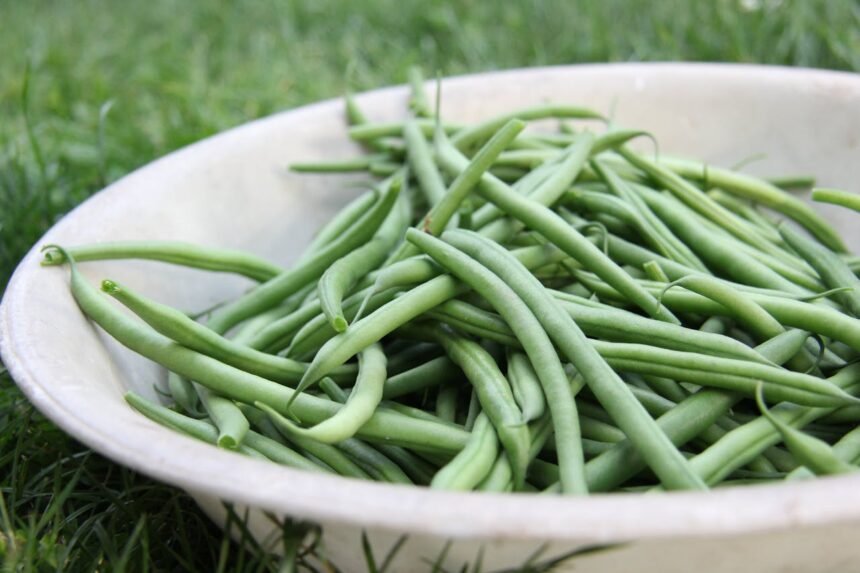
Green beans are a staple vegetable found in kitchens across the globe. Whether you call them string beans, snap beans, or French beans, these vibrant legumes are far more than just a convenient side dish.
While they are often praised for their low calorie count, their true power lies in their nutrient density, particularly regarding digestive wellness. The green bean fibre content is substantial, offering a unique combination of soluble and insoluble fibres that support a healthy gut microbiome.
Research consistently shows that adequate fibre intake is essential for preventing chronic diseases, yet many people in the UK fall short of the recommended daily intake of 30g. Incorporating green beans into your weekly rotation is a simple, delicious way to bridge this gap.
This article explores the digestive benefits of green beans, their nutritional profile, and how they fit into a gut-friendly diet.
Nutritional Overview
Green beans (Phaseolus vulgaris) are unripe, young fruit of various cultivars of the common bean. Unlike dried beans, green beans are harvested while the beans are still inside the pod, which is also edible.
From a nutritional standpoint, they are an impressive source of vitamins A, C, and K, as well as folate and minerals. However, their fibre profile is what makes them particularly interesting for digestive health.
Here is the nutritional breakdown for one cup (approximately 100 grams) of raw green beans:
| Nutrient | Amount |
|---|---|
| Calories | 31 kcal |
| Protein | 1.8 g |
| Fat | 0.2 g |
| Carbohydrates | 7 g |
| Dietary Fibre | 2.7 g |
| Sugar | 3.3 g |
| Vitamin C | 16.3 mg (27% DV) |
| Vitamin K | 14.4 mcg (18% DV) |
According to data from the USDA FoodData Central, green beans provide a balanced macro-nutrient profile that supports steady energy levels without spiking blood sugar.
The Role of Green Bean Fibre in Digestion
Dietary fibre is a non-digestible carbohydrate found in plant foods. It passes through the stomach relatively intact and ends up in the colon, where it feeds beneficial gut bacteria. The green bean fibre profile consists of two distinct types, both of which are critical for optimal digestion.
Insoluble Fibre and Regularity
The majority of the fibre in green beans is insoluble. This type of fibre does not dissolve in water. Instead, it absorbs fluids and adds bulk to the stool.
By increasing stool volume, insoluble fibre helps food move more efficiently through the digestive tract. This is essential for preventing constipation and promoting regularity. For individuals struggling with sluggish digestion, the structural fibres found in the bean pods act as a natural ‘broom’ for the intestines.
The NHS outlines that foods rich in insoluble fibre are fundamental for maintaining bowel health and preventing diverticular disease.
Soluble Fibre and the Microbiome
While predominantly insoluble, green beans also contain pectin, a type of soluble fibre. Soluble fibre dissolves in water to form a gel-like substance during digestion.
This gel slows down the emptying of the stomach, which can help you feel fuller for longer. Furthermore, as soluble fibre reaches the large intestine, it becomes a food source for healthy gut bacteria. This fermentation process produces short-chain fatty acids (SCFAs), such as butyrate, which nourish colon cells and reduce inflammation.
Green Beans and FODMAPs
For those with Irritable Bowel Syndrome (IBS), increasing fibre can sometimes be a double-edged sword. Many legumes are high in FODMAPs (fermentable oligosaccharides, disaccharides, monosaccharides, and polyols), which can trigger bloating and gas.
However, green beans are unique. According to Monash University, which developed the low FODMAP diet, green beans are considered low FODMAP in standard serving sizes (up to 75g). This makes them an excellent fibre source for individuals with sensitive stomachs who cannot tolerate other legumes like chickpeas or kidney beans.
Additional Health Benefits
While digestive health is a primary benefit, the nutrients in green beans offer systemic advantages throughout the body.
Heart Health
High-fibre diets are strongly linked to a reduced risk of heart disease. Soluble fibre binds to cholesterol particles in the digestive system and moves them out of the body before they can be absorbed.
The British Heart Foundation notes that replacing refined carbohydrates with high-fibre vegetables like green beans can help lower LDL (bad) cholesterol levels and improve overall cardiovascular function.
Blood Sugar Regulation
Green beans have a low Glycaemic Index (GI), meaning they digest slowly and cause a gradual rise in blood sugar rather than a sharp spike. This is partly due to the green bean fibre content, which slows the absorption of glucose into the bloodstream.
For individuals managing type 2 diabetes or insulin resistance, non-starchy vegetables like green beans are a dietary cornerstone. Diabetes UK recommends filling half your plate with vegetables to help manage glucose levels effectively.
Weight Management
Due to their high water content and fibre density, green beans are incredibly satiating for very few calories. Eating foods that provide bulk without caloric density is a strategy known as ‘volumetrics’.
This allows you to eat a satisfying portion size while maintaining a calorie deficit, which is crucial for sustainable weight loss.

Potential Downsides and Considerations
While green beans are generally safe and healthy, there are chemical compounds to be aware of, specifically regarding how they are prepared.
Lectins and Phytates
Like most legumes, green beans contain lectins and phytates. These are often referred to as ‘antinutrients’ because they can reduce the body’s ability to absorb certain minerals like iron and zinc.
Lectins, specifically, can cause digestive distress if consumed in large quantities from raw beans. However, these compounds are sensitive to heat. Cooking green beans—whether by boiling, steaming, or roasting—significantly reduces lectin levels, making them safe to eat.
According to Healthline, cooking green beans not only neutralises these compounds but also makes the antioxidants within the vegetable more bioavailable.
Vitamin K and Blood Thinners
Green beans are rich in Vitamin K1, which plays a vital role in blood clotting. Individuals taking blood-thinning medication (such as Warfarin) should maintain a consistent intake of Vitamin K to ensure their medication remains effective.
Sudden increases or decreases in green leafy vegetable consumption can alter how these drugs work. Always consult a healthcare professional before making drastic dietary changes if you are on medication.
Practical Tips for Incorporation
To maximise the green bean fibre benefits and retain nutrient quality, proper selection and preparation are key.
Selection and Storage
When buying fresh green beans, look for pods that are bright green and free from black spots. They should be firm and snap clearly when broken. Flaccid or rubbery beans indicate they are past their prime.
Store unwashed fresh beans in a reusable produce bag in the vegetable crisper drawer of your fridge. They generally stay fresh for about seven days. If you cannot use them in time, blanch them in boiling water for two minutes, cool in ice water, and freeze them for up to six months.
Healthy Preparation Methods
Overcooking green beans can lead to a loss of water-soluble vitamins (like Vitamin C) and a mushy texture. Here are three healthy ways to prepare them:
- Steaming: This is the gold standard for preserving nutrients. Steam for 3-5 minutes until they are tender-crisp and vibrant green.
- Blanching: Boil for 2-3 minutes, then plunge into an ice bath. This is perfect for salads or meal prep.
- Roasting: Toss with a small amount of olive oil, sea salt, and lemon zest. Roast at 200°C for 15 minutes for a deeper, nuttier flavour.
Avoid boiling them for long periods unless making a soup, as the vitamins will leach into the water. If you do boil them, consider consuming the broth.
Recipe Ideas
- Lemon Garlic Side: Sauté steamed beans with minced garlic and a squeeze of fresh lemon juice.
- Bean Salad: Combine blanched green beans, cherry tomatoes, olives, and feta cheese with a vinaigrette.
- Stir-fry: Add green beans to a chicken or tofu stir-fry for added crunch and fibre.
The Bottom Line
Green beans are a versatile, accessible, and highly nutritious addition to any diet. Their specific combination of soluble and insoluble fibre makes them a powerhouse for digestive health, aiding in regularity and supporting a healthy gut microbiome.
Beyond digestion, the green bean fibre content assists in heart health, blood sugar control, and weight management. Because they are low in FODMAPs, they are a suitable choice for most people, including those with sensitive digestive systems.
To reap the most benefits, opt for fresh or frozen beans over canned varieties with added salt, and cook them lightly to preserve their vitamin content. Whether steamed, roasted, or sautéed, green beans are an easy win for your long-term health.
References
- USDA FoodData Central: Green Beans
- NHS: Good foods to help your digestion
- Monash University: FODMAPs and IBS
- British Heart Foundation: Fibre and your heart
- Diabetes UK: Eating with Diabetes
- Healthline: Green Beans Nutrition and Benefits
- Mayo Clinic: Dietary fiber: Essential for a healthy diet
- Cleveland Clinic: Improving Your Digestive Health
- Harvard T.H. Chan School of Public Health: The Nutrition Source – Fiber
- PubMed: Resistant Starch and Health