Feeding birds is one of the most popular interactions with wildlife in the UK. Whether you have a sprawling estate or a modest balcony, providing sustenance for your feathered neighbours is a rewarding way to support local biodiversity.
Among the various seeds and suets available, bird peanuts remain a classic staple. They are packed with essential fats and proteins that birds require to survive, particularly during the colder months.
However, not all peanuts are created equal. Offering the wrong type can be detrimental—or even fatal—to the wildlife you intend to help. Understanding the nuances of safe peanuts for birds is essential for any responsible host.
This article explores the benefits of feeding peanuts, the safety precautions you must take, and how to attract a variety of species to your garden.
Why Are Peanuts So Good for Birds?
Peanuts are legumes, not nuts, but they share the high-energy characteristics of tree nuts. They are calorically dense and rich in oils, which provides the necessary fuel for birds to maintain their body temperature.
In the UK climate, where temperatures can drop significantly, high energy bird food is vital. Small birds like blue tits and great tits can lose a significant percentage of their body weight overnight in freezing conditions. The fat content in peanuts helps replenish these reserves quickly.
Furthermore, peanuts provide a robust source of protein, which is crucial for feather regeneration during moulting seasons and for the growth of chicks in the spring.
For those interested in the botanical differences between peanut varieties, you might explore A Guide to Valencia Peanuts: Sweetness and Nutrition Profile to understand how different cultivars vary in oil and sugar content, though birds are generally less fussy about sweetness than humans are.
The Critical Safety Issue: Aflatoxins
When discussing bird peanuts, the conversation must start with safety. The most significant risk associated with peanuts is a naturally occurring toxin called aflatoxin.
Aflatoxin is produced by a fungus (Aspergillus flavus) that thrives in warm, humid conditions. It can contaminate peanuts during growth or storage. While trace amounts might be tolerable for humans, aflatoxin in bird food can be liver-toxic and fatal to birds even in minute quantities.
Reputable suppliers of bird food test their stocks rigorously. You should always buy peanuts specifically certified for wild birds, as these are tested to ensure nil detectable levels of aflatoxin.
According to the Royal Society for the Protection of Birds (RSPB), you should never feed birds old or mouldy peanuts intended for human consumption, as the risk of toxicity is too high.
Types of Peanuts for Garden Birds
There are several forms of peanuts you can offer, and the choice often depends on the species you wish to attract and the time of year.
Whole Peanuts vs Split Peanuts
Deciding between whole peanuts vs split peanuts is often a matter of which feeder you are using and which birds are visiting. Whole peanuts are excellent for larger birds, but they must always be placed inside a mesh feeder.
Split peanuts are essentially the same nut without the brown skin, broken in half. These are often easier for smaller birds to handle and can be mixed into seed blends. However, during the breeding season, whole peanuts pose a severe choking hazard to nestlings. It is imperative to use wire mesh feeders that force birds to chip away small pieces rather than taking the whole nut.
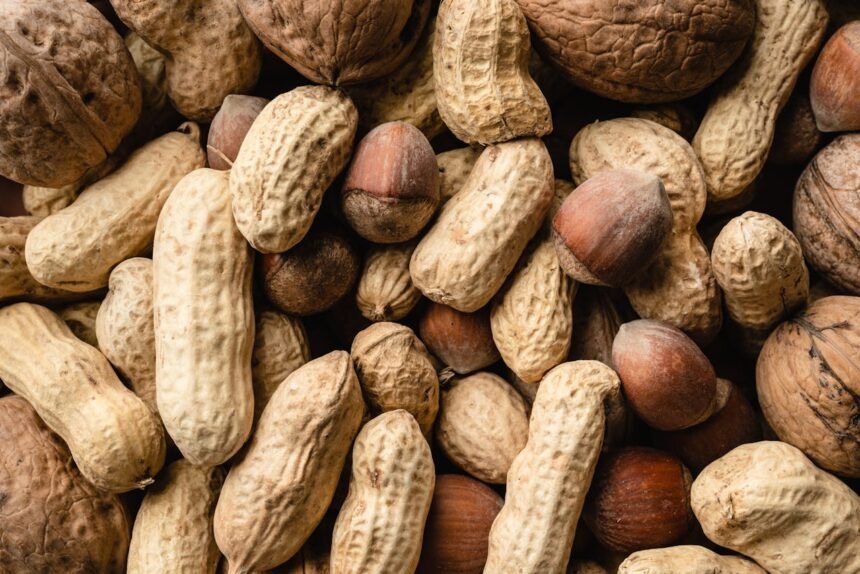
In-Shell Peanuts
Offering peanuts in their shells can be a great way to slow down feeding and provide enrichment. Larger birds, such as jays and woodpeckers, enjoy the challenge of breaking the shell.
Interestingly, the size of the kernel matters. While Spanish Peanuts: Small Size, Big Flavour and High Oil Content](/spanish-peanuts-small-size-big-flavour-and-high-oil-content/) are often discussed in culinary contexts, their small, round shape and high oil content make them an excellent, energy-dense option for wildlife if you can source them unsalted.
Red Skin Peanuts
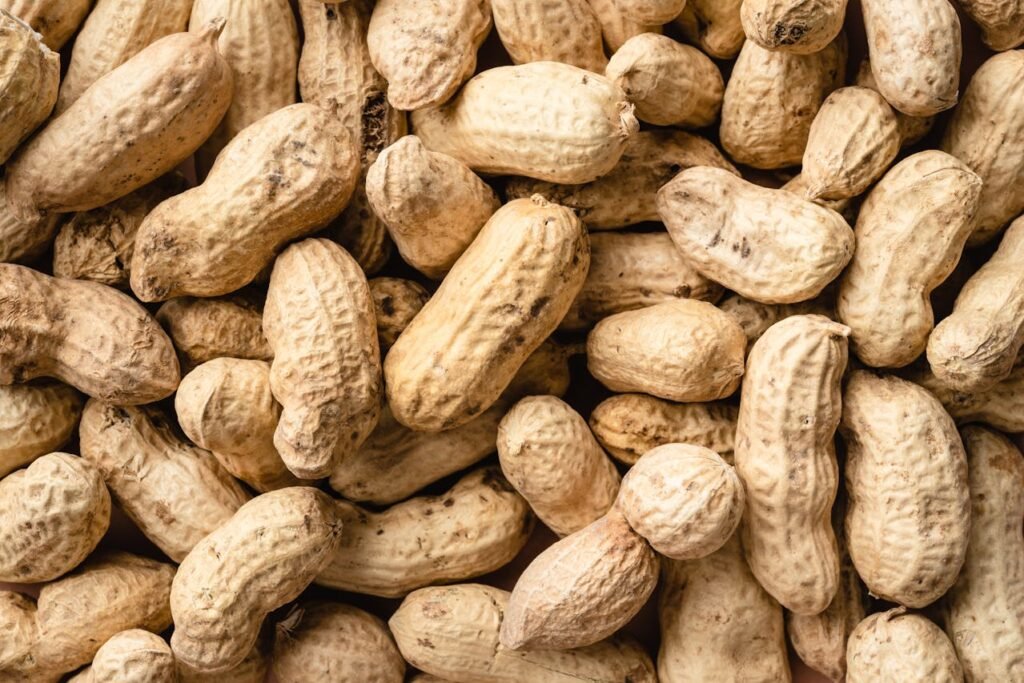
Many bird peanuts come with their thin, papery skin attached. These are often referred to as red skin peanuts. The skin contains polyphenols and antioxidants. For a deeper dive into the nutritional aspects of these skins, read Red Skin Peanuts: Antioxidant Benefits and Culinary Uses. For birds, the skin is perfectly safe and adds a small amount of fibre to their diet.
What to Avoid: The Dangers of Salt and Roasting
It is vital to distinguish between peanuts grown for wildlife and those processed for the pub snack aisle. You must avoid salted peanuts at all costs.
Salt toxicity in birds is a genuine danger. Garden birds have evolved to process very little salt. Ingesting salted peanuts can lead to excessive thirst, dehydration, kidney failure, and death. Even dry-roasted peanuts are dangerous; they often contain coatings and spices that avian systems cannot digest.
The Cornell Lab of Ornithology warns that the additives in processed human snacks are unsuitable for wildlife. Always stick to plain, untreated premium bird peanuts.
If you are exploring culinary processing for yourself, such as Roasted Peanut Flour: Gluten-Free Baking and Nutritional Gains, remember that processed by-products like flour are generally too dry and powdery for bird feeders and can cause respiratory issues for birds.
Attracting Specific Wildlife
Different presentations of peanuts will attract different visitors to your garden.
Woodpeckers and Nuthatches
Attracting woodpeckers with peanuts is highly effective. Great Spotted Woodpeckers are fond of peanut feeders. To encourage them, use a sturdy mesh feeder with a tail prop (a piece of wood or metal extending below the feeder) to help them balance while they peck.
Blue Tits and Great Tits
Tits are acrobatic feeders. They will happily cling to hanging mesh feeders. Installing peanut feeders for blue tits is a surefire way to bring activity to your garden. Ensure the mesh size is roughly 6mm—large enough for them to access the nut, but small enough to prevent them from removing a whole kernel.
Jays and Squirrels
Jays are renowned for caching peanuts. If you offer peanuts in the shell, you may see Jays burying them for winter. However, squirrels are also fond of peanuts. If you want to feed the birds without feeding the rodents, you will need to invest in squirrel proof peanut feeders. These usually have a caged mechanism that closes off access when a heavy animal lands on the perch.
For more on the wild ancestors of these legumes, which were also a food source for wildlife, see Jungle Peanuts: Exploring the Wild Ancestor of Modern Legumes.
Seasonal Feeding Tips
Bird feeding is a year-round activity, but your approach should change with the seasons.
Winter
Feeding wild birds in winter is about caloric density. This is when peanuts are most valuable. The Woodland Trust suggests keeping feeders topped up early in the morning and late in the afternoon to support birds through the freezing nights.
Spring and Summer (Fledgling Season)
Fledgling season feeding requires caution. As mentioned, whole peanuts can choke chicks. During spring and summer, you should strictly use mesh feeders or crush the peanuts into granules. Alternatively, you might focus on insect-based foods during this time.
If you are a gardener interested in the full lifecycle of these plants, Growing Your Own: Best Practices for Organic Peanut Seeds offers insights into how you might cultivate a small crop, potentially providing the freshest possible food for your garden visitors.
Hygiene and Garden Management
Maintaing a clean feeding station is as important as the food itself. Birds congregate at feeders, which increases the risk of spreading diseases like trichomonosis.
Cleaning Protocols
Cleaning bird feeders should be done weekly. Use a mild disinfectant or a weak bleach solution (5%), rinse thoroughly, and allow to air dry completely before refilling. The British Trust for Ornithology (BTO) emphasizes that hygiene is critical to prevent population crashes in garden birds.
Managing Waste
Peanut shells and debris can accumulate under feeders. This can attract rats and harbour mould. Regularly sweep up husks. If you are looking for sustainable ways to use organic waste, check out Peanut Shell Compost: Turning Waste into Nutrient-Rich Soil or How to Use Peanut Shell Mulch in Your British Garden for tips on recycling this debris beneficialy.
Sourcing and Storage
To ensure garden wildlife nutrition is maintained, storage is key. Peanuts should be stored in a cool, dry place, ideally in a metal bin to keep rodents out. Damp peanuts can develop invisible mould within days.
When buying, look for “human grade” peanuts sold for birds, or specific ornithological blends. While agricultural by-products exist, such as those discussed in Using Peanut Meal as an Organic Fertiliser and Animal Feed, these are best kept for soil improvement or livestock rather than wild birds.
Occasionally, you may come across raw, green peanuts. While Where to Buy Green Peanuts Bulk for Traditional Recipes focuses on human culinary uses, raw green peanuts should generally be dried or roasted (unsalted) before being offered to birds to reduce moisture content and spoil risks.
Furthermore, avoid using sprouts. While Peanut Sprouts: The New Superfood You Should Try details benefits for humans, the moist conditions required for sprouting are ideal breeding grounds for bacteria that can harm birds.
Specialized Knowledge for Growers
If you are approaching this from an agricultural perspective, perhaps growing peanuts for feed, having the right equipment is vital. Essential Peanut Harvesting Tools for Small-Scale Growers outlines what is needed to get the crop from ground to storage. Similarly, Choosing the Right Peanut Planter for Your Allotment or Farm can help optimize your yield.
Also, consider looking into The Nutritional Benefits of Peanut Hay for Livestock; while not for birds, it utilizes the rest of the plant, ensuring a zero-waste approach to peanut cultivation.
If you are interested in processing oil from your crop, A Beginner Guide to Peanut Oil Pressing at Home explains the extraction process. The leftover cake (mash) from pressing can sometimes be used in bird cakes, provided it is fresh and mould-free.
The Bottom Line
Using bird peanuts is a fantastic way to support local wildlife, provided you follow safety guidelines. The high fat and protein content make them a lifeline during winter and a growth booster in spring.
Always prioritize safety: never use salted or dry roasted peanuts danger is real. Ensure your supply is aflatoxin-free, and keep your feeders clean to stop the spread of disease.
By choosing the right feed and maintaining good hygiene, you can turn your garden into a thriving sanctuary. For more information on wildlife health, resources like Garden Wildlife Health offer excellent advice on disease prevention.
Whether you are catering to blue tits, woodpeckers, or jays, a steady supply of fresh, safe peanuts will ensure your garden remains a hub of activity and colour throughout the year.