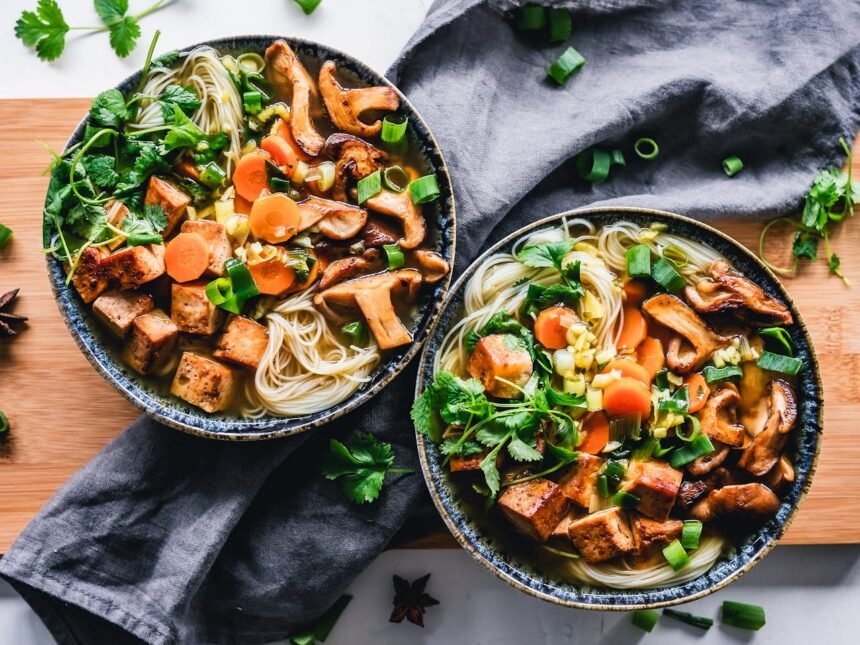
Carrots are a staple in kitchens across the globe. Whether they are the star of a Sunday roast or a crunchy snack in a lunchbox, they are universally recognised for their health benefits. Most of us were told as children that eating carrots helps us see in the dark, a claim rooted in their high vitamin A content.
However, the nutritional value of this vibrant root vegetable is not static. It changes significantly depending on how you prepare it. While many assume that raw vegetables are always the healthiest option, cooking carrots can actually enhance their nutritional profile in surprising ways.
Understanding the science behind food preparation allows you to maximise the health benefits of your meals. The method you choose—be it boiling, steaming, roasting, or microwaving—determines how many antioxidants end up in your body rather than being lost in the cooking water or degraded by heat.
This article explores the most effective ways to cook carrots to preserve their vital nutrients, focusing on bioavailability and antioxidant retention.
The Nutritional Science of Carrots
Before diving into specific cooking methods, it is essential to understand what makes carrots so nutritious. They are rich in beta-carotene, a carotenoid that gives them their distinctive orange colour. Your body converts beta-carotene into vitamin A, which is crucial for vision, immune function, and skin health.
Bioavailability: The Key Concept
Bioavailability refers to the proportion of a nutrient that is digested, absorbed, and metabolised by the body. Interestingly, the beta-carotene in raw carrots is trapped within tough cellular walls made of pectin and cellulose. When you eat a raw carrot, your body may only absorb a small fraction of the available antioxidants.
Cooking carrots helps soften these cell walls, releasing the carotenoids and making them easier for your body to absorb. In fact, research suggests that cooking can triple the amount of beta-carotene your body can utilise compared to eating them raw. However, this comes with a trade-off: heat can destroy other sensitive nutrients, such as vitamin C and certain polyphenols.
Polyacetylenes and Falcarinol
Beyond beta-carotene, carrots contain bioactive compounds called polyacetylenes, specifically falcarinol. These compounds have shown potential anti-inflammatory and anti-cancer properties in laboratory studies. Preserving these delicate compounds requires careful temperature control, as they can be easily degraded by excessive heat or lost through leaching into water.
Analysing Cooking Methods
Not all heat is created equal. The way you apply heat to carrots dramatically affects their chemical composition. Here is a detailed look at how different methods stack up.
1. Steaming: The Gold Standard
Steaming is widely regarded by nutritionists as one of the best methods for preserving antioxidants in vegetables. By suspending the carrots above boiling water rather than submerging them, you minimise the leaching of water-soluble nutrients.
Studies indicate that steaming preserves the highest levels of vitamin C and maintains the integrity of carotenoids. Because the carrots are cooked gently and quickly, the cell walls break down sufficiently to release beta-carotene without destroying the falcarinol. To optimise nutrient retention, keep the skin on and steam them whole, slicing them only after they are cooked.
2. Boiling: A Double-Edged Sword
Boiling is perhaps the most common way of cooking carrots, yet it is often the most damaging to their nutritional profile if done incorrectly. When vegetables are submerged in water, water-soluble vitamins (like vitamin C and B vitamins) and phytochemicals leach out into the cooking liquid.
However, boiling does have one advantage: it is excellent for softening cell walls. A study published in the Journal of Food Science noted that boiling carrots actually increased the concentration of available carotenoids compared to raw samples, provided the cooking time was kept short. If you must boil, use a minimal amount of water and consider using the leftover water for stocks or gravies to recapture the lost nutrients.
3. Roasting and Baking
Roasting carrots brings out their natural sweetness through caramelisation, making them a favourite for flavour. From a nutritional standpoint, roasting is generally favourable because it does not involve water, preventing leaching.
However, the high temperatures involved in roasting can degrade some thermally unstable antioxidants. To mitigate this, avoid charring the vegetables. Roasting also offers a significant advantage: it usually involves oil. Since Vitamin A is fat-soluble, cooking with a healthy fat like olive oil significantly improves absorption.
4. Frying and Sautéing
Frying is often demonised in healthy eating circles, but when it comes to carrots, it has a silver lining. Sautéing carrots in oil preserves their water-soluble vitamins and provides the necessary lipid matrix for beta-carotene absorption.
A study referenced by the National Institutes of Health (NIH) suggests that consuming carotenoids with fat is essential for bioavailability. However, deep-frying at extremely high temperatures can create harmful by-products and destroy antioxidants through oxidation. Gentle sautéing or stir-frying is the preferred approach.
5. Microwaving
Microwaving is often misunderstood. Many assume radiation destroys nutrients, but the opposite is frequently true. Because microwaving is fast and requires very little water, it is actually one of the best methods for retaining antioxidants.
Research found on PubMed suggests that microwaving preserves antioxidant activity better than boiling. The rapid heating mechanism minimises the time the nutrients are exposed to heat, resulting in excellent retention of falcarinol and vitamin C.
Comparison of Cooking Methods
To help you visualise the trade-offs, here is a breakdown of how cooking carrots via different methods affects nutrient levels:
| Cooking Method | Beta-Carotene Bioavailability | Vitamin C Retention | Flavour Profile |
|---|---|---|---|
| Steaming | High | High | Fresh, natural |
| Boiling | Moderate (High loss in water) | Low | Mild, soft |
| Roasting | High (if oil added) | Moderate | Sweet, caramelised |
| Microwaving | High | High | Firm, intense |
| Deep Frying | Moderate | Low | Rich, oily |
Factors Affecting Nutrient Loss
It is not just the heat source that matters; how you prepare the vegetable before it hits the pan is equally critical.
To Peel or Not to Peel?
Many of the phytonutrients in carrots are concentrated just beneath the skin. Peeling removes a significant portion of these beneficial compounds. Unless the carrots are old or particularly bitter, simply scrubbing them with a stiff brush is preferable to peeling. This mechanical cleaning removes dirt and debris while leaving the nutrient-rich skin intact.
Surface Area and Cutting
Cutting carrots into small discs increases the surface area exposed to heat and water. While this reduces cooking time, it increases the rate at which nutrients leach out during boiling.
Evidence from the American Chemical Society suggests that cooking carrots whole and chopping them afterwards helps keep valuable nutrients locked inside. While this takes longer, the flavour and nutritional payload are significantly better.
The Role of Fat
We touched on this earlier, but it bears repeating: fat is a nutrient facilitator. Beta-carotene is hydrophobic—it repels water and binds to fat. Eating fat-free cooked carrots means a large percentage of the Vitamin A will pass through your digestive system unabsorbed. Adding a drizzle of olive oil, a pat of butter, or slices of avocado to your meal is scientifically necessary to unlock the carrot’s potential.
Practical Tips for the Health-Conscious Cook
Incorporating these scientific principles into your daily routine does not have to be complicated. Here are practical steps to get the most out of your carrots:
- Prioritise Steaming: Invest in a simple steamer basket. It is cheap, effective, and yields the best nutritional results.
- Cook Whole: Wash your carrots thoroughly and steam or boil them whole. Slice them only once they are tender.
- Add Fat: Always pair your carrots with a source of healthy fat. Drizzle steamed carrots with cold-pressed olive oil or serve roasted carrots with crushed nuts.
- Recycle Water: If you do boil, use the smallest amount of water possible and save the liquid for soups or sauces. This captures the minerals that have leached out.
- Don’t Overcook: Cooking until mushy destroys more vitamins. Aim for “tender-crisp”—cooked enough to soften the cell walls, but firm enough to retain structure.
- Combine Methods: Consider “sous-vide” or slow cooking, which uses lower temperatures over longer periods, potentially preserving heat-sensitive compounds while ensuring tenderness.
The Bottom Line
Carrots are a nutritional powerhouse, but how you handle them in the kitchen dictates their true value to your body. While eating them raw is a healthy habit that provides great fibre and crunch, cooking carrots unlocks significantly more beta-carotene by breaking down cellular barriers.
For the best results, steaming whole unpeeled carrots stands out as the superior method for preserving antioxidants and preventing nutrient loss. Microwaving is a fantastic, convenient runner-up. Regardless of the heat method you choose, remember that pairing carrots with a healthy fat is non-negotiable for maximum absorption of Vitamin A.
By making small adjustments to your cooking habits—like putting away the peeler and reaching for the steamer—you can ensure that every bite contributes to your long-term health and wellbeing.