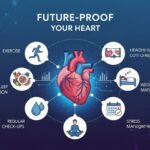
We often speak of the heart in poetic terms—a vessel for love, a container for grief, or a source of courage. However, modern cardiology and psychology are converging to confirm what poets have suspected for centuries: our emotions have a direct, tangible command over our biological machinery. While diet and exercise are the traditional pillars of cardiology, emerging research underscores the profound happiness impact on heart health.
This handbook explores the physiological bridge between the mind and the cardiovascular system, offering a comprehensive look at how cultivating joy is not merely a mood booster, but a life-saving medical strategy.
The Physiology of Joy: How Emotions Talk to Arteries
To understand why happiness matters, we must first understand the biological pathways of emotion. The heart does not operate in isolation; it is in constant dialogue with the brain via the autonomic nervous system.
When we experience stress, anger, or despair, the body activates the sympathetic nervous system—the “fight or flight” response. This floods the bloodstream with cortisol and catecholamines. Conversely, positive psychological states activate the parasympathetic nervous system, often called the “rest and digest” mode.
The Cortisol Connection
Chronic stress keeps the body marinated in cortisol. According to the Mayo Clinic, long-term activation of the stress-response system can disrupt almost all your body’s processes, increasing the risk of heart disease, sleep problems, and weight gain. Happiness acts as a natural antidote, lowering these cortisol levels and reducing the strain on arterial walls.
The Power of Optimism
Optimism is more than just a sunny disposition; it is a biological shield. A landmark review by Harvard T.H. Chan School of Public Health found that people with higher levels of optimism had a significantly lower risk of dying from several major causes of death, including cardiovascular disease. Optimists tend to have better lipid profiles, lower blood pressure, and less systemic inflammation.

Data Analysis: The Biological Cost of Negativity vs. Positivity
The following table illustrates the contrasting physiological impacts of chronic negative emotional states versus positive psychological well-being on cardiovascular markers.
| Physiological Marker | Chronic Stress & Negativity | Happiness & Optimism | Impact on Heart Health |
|---|---|---|---|
| Heart Rate Variability (HRV) | Low (Signifies poor adaptability) | High (Signifies resilience) | High HRV is linked to reduced risk of sudden cardiac death. |
| Inflammatory Markers (C-Reactive Protein) | Elevated | Reduced | Lower inflammation prevents plaque buildup in arteries. |
| Blood Pressure | Consistently Elevated (Hypertension) | Normal / Stabilized | Reduced risk of stroke and arterial damage. |
| Platelet Aggregation | Increased (Thick, sticky blood) | Normal | Prevents dangerous blood clots from forming. |
| Endothelial Function | Constricted blood vessels | Dilated, flexible vessels | Essential for healthy blood flow and oxygen delivery. |
The Spectrum of Heart-Mind Connection
The happiness impact on heart health is best viewed through a spectrum. On one end lies pathology caused by emotional trauma, and on the other, resilience built through joy.
Broken Heart Syndrome
The most dramatic example of the mind-heart connection is Takotsubo cardiomyopathy, colloquially known as “broken heart syndrome.” This condition occurs when extreme emotional distress causes a sudden weakening of the heart muscle, mimicking a heart attack. The Cleveland Clinic notes that while usually temporary, it proves that emotional shock can physically stun the heart, reinforcing the need for emotional regulation.
The Protection of Positive Affect
On the flip side, “positive affect”—the scientific term for experiencing pleasurable engagement with the environment—is cardio-protective. Research published by the National Institutes of Health (NIH) indicates that positive affect is independently associated with a lower risk of incident coronary heart disease. This suggests that the absence of depression is not enough; the presence of joy is required for optimal health.
Strategies for Cultivating Cardiovascular Joy
Knowing the science is the first step; applying it is the second. Here are evidence-based strategies to integrate into your daily life to boost your heart health through happiness.
1. Mindfulness and Meditation
Meditation is not just spiritual; it is vascular. Regular mindfulness practice has been shown to reduce sympathetic nervous system activity. The National Center for Complementary and Integrative Health reports that meditation may help reduce blood pressure, a primary risk factor for heart disease.
- Action Plan: Dedicate 10 minutes a day to deep breathing exercises. Focus on extending the exhale, which directly stimulates the vagus nerve and slows the heart rate.
2. Deepening Social Connections
Loneliness is toxic to the heart. Social isolation carries a risk of death similar to smoking or obesity. The Centers for Disease Control and Prevention (CDC) highlights that people with strong social ties have a 50% greater likelihood of survival than those with weaker social relationships.
- Action Plan: Prioritize face-to-face interactions over digital ones. Schedule weekly check-ins with family or join community groups that align with your interests.
3. Purposeful Movement
Exercise releases endorphins, dopamine, and serotonin—neurotransmitters that elevate mood. The World Health Organization (WHO) recommends at least 150 minutes of moderate-intensity activity per week. However, to maximize the happiness factor, choose activities you genuinely enjoy rather than those you feel obligated to do.
- Action Plan: If you hate the treadmill, don’t use it. Dance, hike, swim, or garden. The joy derived from the activity amplifies the physiological benefits.
4. Gratitude Journaling
Gratitude shifts the brain’s focus from what is lacking to what is abundant. This shift reduces anxiety and depressive symptoms. According to Johns Hopkins Medicine, a positive outlook is a strong predictor of heart health, even in people with a family history of heart disease.
- Action Plan: Write down three things you are grateful for every evening. This simple habit can lower nighttime blood pressure and improve sleep quality.
5. Restorative Sleep
It is difficult to maintain a happy disposition when exhausted. Sleep deficiency is linked to higher risks of heart disease, kidney disease, high blood pressure, diabetes, and stroke. The National Heart, Lung, and Blood Institute emphasizes that sleep heals and repairs your heart and blood vessels.
- Action Plan: Create a “sleep sanctuary.” Remove blue-light emitting devices one hour before bed and maintain a consistent sleep schedule to regulate your circadian rhythm.
The Role of Diet in Mood and Heart Health
The gut-brain axis plays a crucial role in how we feel. Serotonin, the key hormone that stabilizes our mood, feelings of well-being, and happiness, is mostly produced in the digestive tract.
The American Heart Association recommends a diet rich in fruits, vegetables, whole grains, and lean proteins. Foods high in Omega-3 fatty acids (like salmon and walnuts) are particularly effective at fighting depression and protecting the heart simultaneously.
Conclusion: Your Heart is Listening
The happiness impact on heart health is a compelling reminder that we are holistic beings. We cannot treat the physical heart while ignoring the emotional heart. Stress, anxiety, and isolation are not just mental burdens; they are physical insults to our cardiovascular system.
By incorporating mindfulness, fostering deep connections, moving our bodies with joy, and practicing gratitude, we do more than just improve our days—we extend our lives. Your heart is constantly listening to your thoughts and feelings. It is time to make sure the message it receives is one of joy, resilience, and peace.
Disclaimer: This article is for informational purposes only and does not constitute medical advice. Always consult with a cardiologist or healthcare provider regarding cardiovascular conditions or significant lifestyle changes.