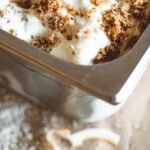
The Ultimate Guide to a Perfect Coconut Jam Recipe
Coconut jam, widely known as Kaya in Southeast Asia, is more than just a sweet spread. It is a cultural staple that brings a creamy, tropical flair to any breakfast table.
If you have ever wondered how to make kaya jam at home, you have come to the right place. This guide will walk you through the process of creating a traditional coconut curd that rivals any professional batch.
This recipe focuses on the balance of rich coconut milk, fresh eggs, and aromatic pandan leaves. Whether you prefer a silky smooth texture or a thick, chunky spread, mastering this creamy coconut curd tutorial is incredibly rewarding.
| Nutrient/Feature | Description |
|---|---|
| Primary Ingredients | Coconut milk, Eggs, Sugar, Pandan leaves |
| Cooking Time | 60 to 90 minutes |
| Dietary Options | Vegetarian (can be made vegan) |
| Storage Life | Up to 2 weeks in the fridge |
What Exactly is Coconut Jam?
Coconut jam is a luscious custard-like spread made primarily from coconut milk and eggs. According to Britannica, coconut-based products have long been essential in tropical culinary traditions.
The name Kaya actually means ‘rich’ in the Malay language, which perfectly describes its texture and flavour. This authentic Southeast Asian kaya is typically served on toast with a thick slice of cold butter.
While many commercial versions are available, nothing compares to the depth of flavour found in a homemade pandan jam. The slow-cooking process allows the sugars to undergo a caramelisation process that adds complexity.
The Role of Pandan Leaves
Pandan is often called the ‘Vanilla of the East’ due to its sweet and grassy aroma. It gives the jam its signature green hue and an unmistakable scent that defines homemade pandan jam.
If you cannot find fresh pandan leaves, you can sometimes find extracts or frozen versions at speciality grocers. However, using fresh leaves is always recommended for the most authentic experience.
Choosing Your Ingredients Carefully
The quality of your ingredients will directly determine the quality of your final product. For a truly rich experience, selecting the best coconut milk for jam is the most important step.
Freshly squeezed coconut milk is ideal, but high-quality canned versions with high fat content work very well. You can learn more about coconut milk nutrition to understand why the fat content matters for texture.
The eggs provide the structure and thickness of the curd. Many recipes use whole eggs, but some chefs prefer adding extra yolks for a deeper, more velvety finish.
Checking egg whites vs whole eggs can help you decide which ratio will give you the texture you desire. Most traditional recipes favour a higher yolk count for extra richness.
Selecting the Right Sugar
While white sugar is common, using palm sugar (Gula Melaka) adds a smokier, deeper profile. This choice is essential for those seeking caramelised coconut jam tips to improve their technique.
If you are watching your sugar consumption, you might be tempted to reduce the quantity. However, sugar also acts as a preservative and structural agent in this recipe.
For a healthier twist, you might consider using coconut sugar, which has a lower glycaemic index. This still allows for a low sugar coconut jam that doesn’t compromise too much on flavour.
The Step-by-Step Coconut Jam Recipe
Before you begin, ensure your kitchen environment is set for success. Proper kitchen safety is vital when working with hot sugars and long cooking times.
Ingredients List
- 400ml of high-quality coconut milk (the best coconut milk for jam you can find).
- 4 large eggs (or 5 yolks for extra richness).
- 200g of sugar (a mix of white and healthier sweeteners).
- 3 to 4 fresh pandan leaves, tied in a knot.
- A pinch of salt to balance the sweetness.
Detailed Instructions
1. Whisking the Foundation: In a large bowl, whisk the eggs and sugar until the sugar is largely dissolved. Do not over-beat, as we want to avoid creating too many air bubbles.
2. Incorporating the Milk: Slowly stir in the coconut milk and add the salt. Pour this mixture through a fine-mesh sieve into the top of a double boiler to ensure a smooth base.
3. The Slow Cook: Place the pandan leaves into the mixture. Set the heat to low, ensuring the water in the bottom pot is simmering but not boiling rapidly.
4. Constant Motion: This is the most critical part of this creamy coconut curd tutorial. You must stir the mixture frequently for about 60 to 90 minutes.
5. Identifying the Set: The jam is ready when it coats the back of a spoon and has a glossy appearance. It will thicken further as it cools down.
Mastering the Texture: Caramelised Coconut Jam Tips
Achieving that beautiful amber colour requires patience and a gentle touch. If you want a darker jam, you can caramelise a small portion of the sugar separately before adding it to the custard.
Always remember that different types of sugar react differently to heat. If the heat is too high, the eggs will scramble, resulting in a lumpy texture.
If lumps do form, do not panic; you can pulse the cooled jam in a blender to restore smoothness. This is a common shortcut mentioned in many modern BBC Good Food guides.
Alternative Methods and Variations
Not everyone has 90 minutes to stand over a stove stirring a pot. Modern technology offers some fantastic alternatives for making homemade pandan jam.
Slow Cooker Coconut Jam
A slow cooker coconut jam method allows for a more ‘hands-off’ approach. Simply place all ingredients in the slow cooker on a low setting and whisk every 30 minutes until thickened.
This method is excellent for those who want to avoid the intensity of stove-top cooking. However, the Food Standards Agency recommends ensuring the internal temperature is high enough to cook the eggs safely.
Vegan Coconut Spread
If you follow a plant-based diet, you can still enjoy this treat. A vegan coconut spread uses natural thickeners for coconut jam such as cornstarch or arrowroot powder instead of eggs.
Check out our eggless coconut jam recipe section for more details on ratios. While it lacks the eggy richness, the coconut flavour remains the star of the show.
You may want to explore low-carb options to keep the recipe keto-friendly as well. Swapping sugar for erythritol can work, though the texture may vary slightly.
How to Use Your Fresh Coconut Jam
Now that you have perfected your recipe, you need to know the best coconut jam uses. The most classic way to enjoy it is through the kaya toast recipe guide approach.
Toast two slices of whole grain bread until they are very crisp. Spread a generous layer of kaya on one side and place thin slices of cold salted butter on the other.
For a complete breakfast, serve it with soft-boiled eggs seasoned with dark soy sauce and white pepper. This is the quintessence of Southeast Asian comfort food as described in Saveur.
- Waffle Topping: Drizzle warm kaya over fresh waffles.
- Cake Filling: Use it as a layer between sponge cakes.
- Pastry Stuffing: Fill puff pastries with a dollop of jam before baking.
Preserving Your Homemade Kaya
Because this is a fresh product without commercial preservatives, preserving homemade kaya requires care. Always use a sterilised glass jar to store your finished jam.
Always refer to AllRecipes for advice on how to properly sterilise jars. Keep the jar in the back of the fridge, where the temperature is most stable.
According to Food Network experts, homemade egg curds should be consumed within two weeks. If you notice any sour smell or mould, discard the batch immediately.
Be sure to read food labels on your ingredients to ensure they are fresh before you even start the process. This prevents premature spoilage of your hard work.
The Nutritional Profile of Coconut Jam
While delicious, coconut jam is a calorie-dense food. It is high in saturated fats from the coconut milk and sugar from the sweetener.
According to the Food and Agriculture Organization, coconut is a significant source of energy in many diets. However, it should be enjoyed in moderation as part of a balanced diet.
Using high-quality eggs also adds a small amount of protein and essential vitamins to the spread. You can find more expert culinary tips on The Spruce Eats or Epicurious.
Frequently Asked Questions
Can I make coconut jam without pandan?
Yes, you can substitute pandan with vanilla bean or omit it entirely. The jam will still be delicious but will lack the iconic Southeast Asian aroma.
Why is my kaya jam lumpy?
Lumps usually occur if the heat is too high or if you stop stirring. The eggs begin to scramble instead of forming a smooth custard.
Can I freeze coconut jam?
Freezing is not recommended as it can cause the emulsion to break. The texture may become grainy or watery once thawed.
Is coconut jam healthy?
It is a high-sugar treat and should be eaten in moderation. However, it is free from the artificial additives found in many shop-bought spreads.
How do I make it more green?
Natural pandan juice provides a light green tint. For a more vibrant colour, some people add a drop of natural food colouring.
The Bottom Line
Creating an authentic Southeast Asian kaya is a labour of love that rewards you with a flavour unlike any other. By choosing the best coconut milk for jam and following the caramelised coconut jam tips provided, you can create a masterpiece in your own kitchen.
Whether you follow a traditional coconut curd method or experiment with an eggless coconut jam recipe, the result is a tropical delight. For more information on culinary science, visit Serious Eats or Delish for creative inspiration.
Enjoy your homemade pandan jam on toasted bread and experience the rich heritage of this beloved spread. Happy cooking!