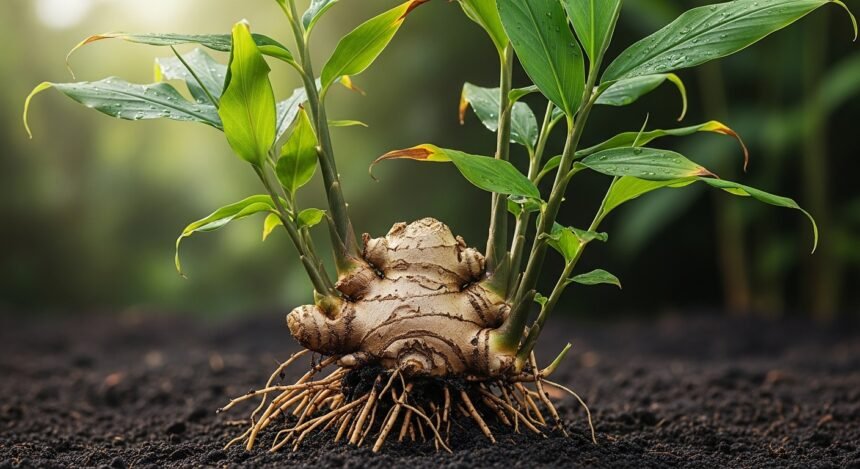
Ginger (Zingiber officinale) is a tropical flowering plant that has been revered for centuries, not just for its pungent, spicy flavour but for its impressive medicinal properties. While most of us are accustomed to picking up a knobbly root from the supermarket, growing this tropical spice at home is surprisingly accessible and deeply rewarding.
Whether you have a sprawling garden or are limited to container gardening for spices, cultivating ginger allows you to enjoy the freshest rhizomes possible. The difference between shop-bought ginger and the tender, skinless roots you harvest yourself is night and day.
This guide covers everything you need to know about Ginger Plant Care, from planting your first rhizome to troubleshooting common issues.
Overview
Originating from Southeast Asia, ginger thrives in warm, humid environments. It is a perennial plant, meaning it can live for more than two years, though in the UK and other temperate climates, it is often treated as an annual or brought indoors during the colder months.
Unlike many garden vegetables that require full, blazing sun, ginger prefers dappled light. This makes it an excellent candidate for those shady corners of your home or garden. Understanding the growing conditions for zingiber officinale is the first step toward a successful harvest.
Before you begin, it is helpful to understand what you are growing. While we focus on the edible variety here, you should distinguish it from ornamental types. For instance, Blue Ginger: Identification and Health Benefits covers a different species entirely. Additionally, Wild Ginger: Safety and Culinary Applications explores varieties that are distinct from the culinary ginger we know and love.
If you are successful, you won’t just have a plant; you will have a supply of fresh root that is superior to dried alternatives. If you are curious about the differences, read our comparison on Dried Ginger vs Fresh: Which is Better for You?.
Symptoms and Causes: Understanding Plant Needs
In a medical context, we look for symptoms to diagnose health issues. In gardening, we observe the plant’s behaviour to understand if its environmental needs are being met. Failing to meet these needs causes poor growth or plant death.
The “Symptoms” of Poor Conditions
If your ginger plant is struggling, it will communicate with you. The most common sign of distress is yellowing leaves on ginger plant foliage. This can range from slightly pale tips to entire fronds turning brown and crispy.
Another symptom is stunted growth or a lack of shoots. Ginger is slow to start, but if months pass without activity, the rhizome may have rotted underground.
The Causes: Environmental Factors
Success relies on mimicking the subtropical floor. The primary causes of ginger failure are usually temperature stress, improper soil moisture, or poor lighting.
1. Temperature Sensitivity
Ginger is extremely frost-tender. According to the Royal Horticultural Society, these plants require a minimum temperature of around 10°C, but thrive best between 20°C and 30°C. If you are growing ginger in pots indoors, you must keep them away from cold draughts near windows.
2. Soil Composition
The best soil for ginger plants is rich, loamy, and well-draining. Heavy clay soils will cause the rhizomes to become waterlogged and rot, while sandy soils may dry out too quickly. You want a mix that holds moisture but allows excess water to escape.
3. Light Exposure
Direct, scorching midday sun can burn the leaves. These are naturally partial shade plants, used to growing under the canopy of taller trees in the wild. They need light, but it should be filtered.
Treatment and Management: The Care Routine
Once you have identified the right environment, the “treatment” involves a consistent care regimen. This includes how you plant, water, and feed your ginger.
Planting Your Ginger
The easiest way to start is by propagating ginger from store-bought root. Look for plump rhizomes with visible “eyes” (small buds). Avoid shrivelled or dry roots. For tips on selecting the best quality roots to start with, check our guide on Fresh Ginger: Selection, Storage, and Health Uses.
Preparation:
Soak the rhizome in warm water overnight to remove growth inhibitors often sprayed on supermarket ginger. Cut the rhizome into pieces, ensuring each piece has at least two or three eyes. Let the cut ends callus over for a day before planting.
Planting Depth:
Plant the rhizome pieces with the eyes facing upwards. The ideal ginger rhizome planting depth is shallow—only about 2 to 5 centimetres (1-2 inches) below the soil surface. Covering them too deeply can delay sprouting or cause rot.
For authoritative advice on planting specifications, Penn State Extension offers excellent agricultural guidelines.
Watering and Humidity
Establishing a correct watering schedule for ginger is critical. Keep the soil consistently moist but never soggy. In the active growing season (spring and summer), you may need to water a few times a week. In winter, when the plant is dormant, reduce watering significantly.
Since ginger is tropical, it craves humidity. Low humidity can cause spider mites and dry leaf tips. Humidity requirements for ginger are generally above 50%. Regular misting or placing the pot on a pebble tray with water can help, especially in dry, central-heated UK homes.
Fertilising
Ginger is a heavy feeder. To support the growth of large rhizomes, apply an organic ginger fertiliser every few weeks during the growing season. A balanced liquid seaweed feed or a slow-release granular fertiliser works well. Research from the University of Florida IFAS suggests that frequent, light applications of nitrogen and potassium support robust rhizome development.
Managing Pests
While generally resilient, you must watch for common ginger plant pests such as aphids, spider mites, and mealybugs. These can usually be managed by wiping the leaves with a damp cloth or using insecticidal soap. Neem oil is also an effective organic treatment.
If you are interested in using plant extracts for health, you might also like reading about Understanding the Uses of Potent Ginger Extract, which discusses the concentration of bioactive compounds.
Tips for a Thriving Harvest
To truly master Ginger Plant Care, consider these advanced tips for maximizing your yield and utilizing your harvest.
1. The Waiting Game
Ginger is a slow grower. It can take 8 to 10 months to reach full maturity. Do not panic if you don’t see shoots immediately after planting; it can take weeks. Eventually, you may see flowers. The ginger plant flowering time is rare in container gardening and usually only occurs on mature plants in optimal tropical conditions. The Kew Royal Botanic Gardens notes that while the flowers are beautiful, they are not necessary for a good root harvest.
2. Harvesting “Baby Ginger”
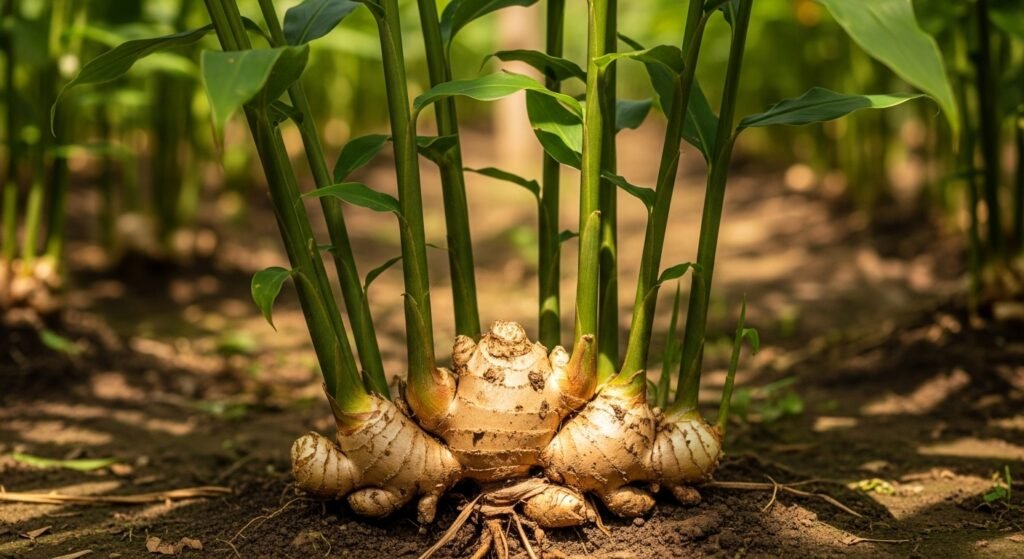
You don’t have to wait the full 10 months. Harvesting baby ginger can be done at around 4-6 months. This ginger has a mild flavour, no tough skin, and no fibrous stringiness. It is perfect for pickling—learn why in The Nutritional Benefits of Pickled Ginger.
3. Overwintering
If you live in a region with cold winters, you must bring your pots inside. Overwintering ginger plants involves letting the leaves die back naturally as the days shorten. Stop watering and store the pot in a cool (but frost-free), dark place. In spring, repot the rhizomes into fresh soil to start the cycle again.
4. Utilization
Once you have harvested your ginger, the possibilities are endless.
- Cooking: Mash it into a paste for curries. See How to Use Ginger Paste in Your Daily Cooking.
- Drinks: Create a soothing beverage. Read Soothing Your Stomach with Ginger Root Tea or try making sweet syrups with our Ginger Syrup Recipes for Drinks and Desserts.
- Aromatherapy: The leaves also carry a scent. While different from the root, learning about A Guide to Using Ginger Oil for Aromatherapy can inspire you to appreciate the plant’s olfactory benefits.
For more on the chemical composition of what you are growing, the National Center for Biotechnology Information (NCBI) provides extensive studies on ginger’s bioactive compounds.
The Bottom Line
Growing ginger at home requires patience, but the reward is a supply of fresh, potent rhizomes that far exceed the quality of what you can buy in a shop.
By focusing on the right growing conditions for zingiber officinale—warmth, humidity, and filtered light—you can successfully cultivate this tropical spice even in the UK. Remember that the plant is versatile; you can harvest it early for tender baby ginger or wait for the full season for a spicier kick.
Whether you plan to use your harvest for cooking or wellness, such as exploring Are Ginger Shots Actually Good for Your Immunity?, it all starts with healthy soil and a consistent watering routine.
For further reading on root crops and garden management, resources like the University of Wisconsin-Madison Horticulture and the Missouri Botanical Garden offer great botanical insights. Additionally, if you are concerned about plant safety or invasive species in warmer climates, the CABI Invasive Species Compendium is a valuable resource.
Start small, perhaps with just one pot on a windowsill. Before long, you’ll be an expert at managing ginger plant care and enjoying the literal fruits (or roots) of your labour.