



Here’s a conversational, engaging article on tooth implants vs dental bridges, following your guidelines:
A tooth implant is an artificial tooth root, typically made of titanium, that is surgically inserted into the jawbone. After the implant fuses with the bone over several months, an abutment and crown are attached to complete the restoration. Dental implants closely mimic natural teeth in both appearance and function.
When it comes to replacing missing teeth, tooth implants and dental bridges are two popular options. But how do you choose between a tooth implant vs dental bridge? Let’s dive into the details to help you make an informed decision.
What’s the Difference? Tooth Implant vs Dental Bridge Explained
Tooth implants and dental bridges are both effective ways to restore your smile, but they work quite differently. A tooth implant is a titanium post surgically inserted into your jawbone, acting as an artificial tooth root. On the other hand, a dental bridge literally “bridges” the gap created by missing teeth using artificial teeth anchored to adjacent natural teeth.
Tooth Implant: The Artificial Root Solution
A tooth implant offers a permanent solution that closely mimics your natural teeth. Here’s how it works:
- The implant post is surgically placed in your jawbone
- Over several months, the bone fuses with the implant (osseointegration)
- An abutment is attached to the implant
- Finally, a crown is placed on the abutment, completing your new tooth
Dental Bridge: The Gap-Spanning Option
A dental bridge, as the name suggests, spans the gap left by missing teeth. The process typically involves:
- Preparing adjacent teeth by removing some enamel
- Taking impressions for the bridge
- Placing a temporary bridge
- Fitting and cementing the permanent bridge
Pros and Cons: Tooth Implant vs Dental Bridge
Let’s compare the advantages and disadvantages of each option:
| Aspect | Tooth Implant | Dental Bridge |
|---|---|---|
| Durability | Can last a lifetime with proper care | Typically lasts 5-15 years |
| Bone Health | Preserves jawbone | May lead to bone loss over time |
| Adjacent Teeth | Doesn’t affect neighbouring teeth | Requires altering adjacent teeth |
| Cost | Higher initial cost | Generally less expensive upfront |
| Procedure Time | Several months | Usually completed in 2-3 weeks |
| Maintenance | Cared for like natural teeth | Requires special cleaning techniques |
Choosing Between a Tooth Implant vs Dental Bridge
When deciding between a tooth implant and a dental bridge, consider these factors:
- Number of missing teeth: Tooth implants are ideal for single tooth replacement, while bridges can replace multiple adjacent teeth.
- Jawbone health: Tooth implants require sufficient bone density. If you lack adequate bone, you might need a bone graft or consider a bridge instead.
- Overall oral health: The health of your remaining teeth and gums can influence which option is best for you.
- Cost considerations: While tooth implants have a higher upfront cost, they may be more cost-effective in the long run due to their longevity.
- Time commitment: If you’re looking for a quicker solution, a dental bridge might be preferable to the lengthy tooth implant process.
Living with Your Choice: Tooth Implant vs Dental Bridge
Whether you opt for a tooth implant or a dental bridge, proper care is crucial for longevity. For tooth implants, maintain good oral hygiene just as you would with natural teeth. Brush twice daily, floss regularly, and visit your dentist for check-ups.
With dental bridges, extra attention to cleaning is necessary. Use a floss threader or interdental brush to clean under the bridge. Your dentist might also recommend a special mouthwash to keep the area healthy.
Certainly! I’ll expand on the article, providing more detailed information about tooth implants vs dental bridges. Here’s a comprehensive 2500-word article:
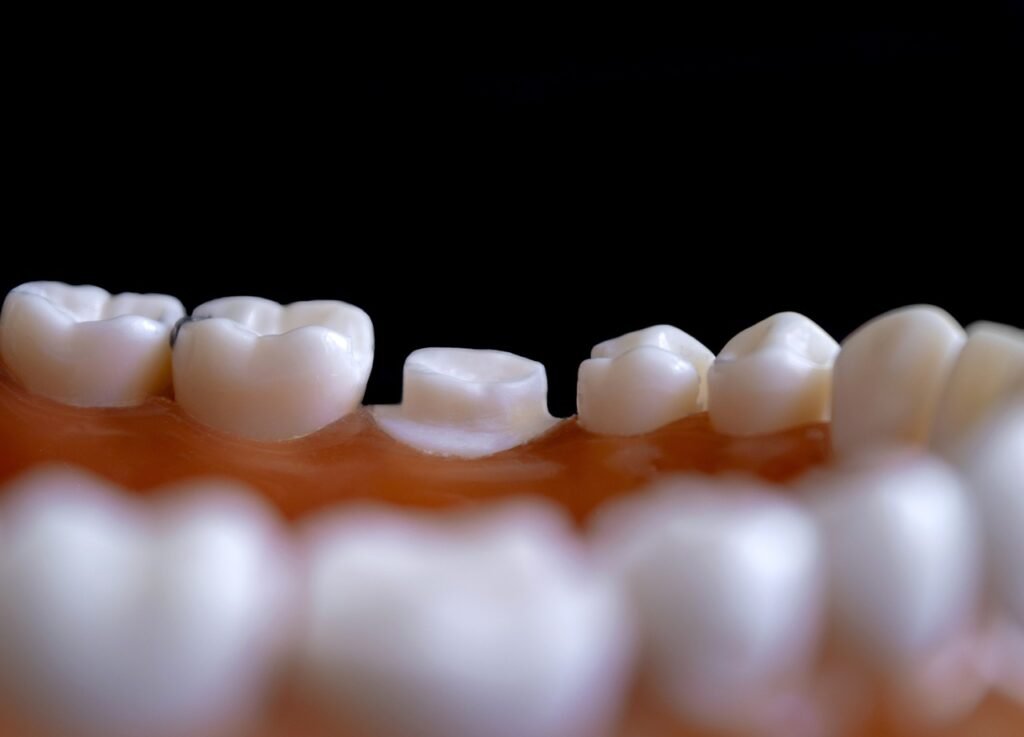
Tooth Implant vs Dental Bridge: A Comprehensive Guide to Restoring Your Smile
When faced with missing teeth, the decision between a tooth implant and a dental bridge can be challenging. Both options offer unique benefits and considerations, making it crucial to understand the intricacies of each. This comprehensive guide will delve deep into the world of tooth implants vs dental bridges, helping you make an informed decision about your dental health.
Understanding Tooth Loss: Why Replacement Matters
Before we dive into the specifics of tooth implants and dental bridges, it’s essential to understand why replacing missing teeth is crucial. Tooth loss can occur due to various reasons, including:
- Dental decay
- Gum disease
- Trauma or injury
- Congenital conditions
- Age-related factors
Regardless of the cause, missing teeth can lead to a host of problems if left untreated:
- Shifting of adjacent teeth
- Difficulty in chewing and speaking
- Bone loss in the jaw
- Changes in facial structure
- Decreased self-confidence
By choosing to replace missing teeth with either a tooth implant or a dental bridge, you’re taking a proactive step towards maintaining your oral health and overall well-being.
Tooth Implant: The Modern Marvel of Dental Technology
A tooth implant is a revolutionary solution that has transformed the field of restorative dentistry. Let’s explore this option in detail.
What is a Tooth Implant?
A tooth implant is an artificial tooth root, typically made of titanium, that’s surgically placed into your jawbone. This implant serves as a sturdy foundation for a replacement tooth or bridge. The process of getting a tooth implant involves several stages:
- Initial Consultation: Your dentist assesses your oral health and determines if you’re a suitable candidate for a tooth implant.
- Implant Placement: The titanium post is surgically inserted into your jawbone.
- Osseointegration: Over several months, your bone grows around the implant, securing it in place.
- Abutment Placement: Once healing is complete, an abutment is attached to the implant.
- Crown Placement: Finally, a custom-made crown is placed on the abutment, completing your new tooth.
Advantages of Choosing a Tooth Implant
Opting for a tooth implant offers numerous benefits:
- Natural Look and Feel: Tooth implants closely mimic natural teeth in both appearance and function.
- Longevity: With proper care, tooth implants can last a lifetime.
- Bone Preservation: The implant stimulates bone growth, preventing bone loss in the jaw.
- No Impact on Adjacent Teeth: Unlike bridges, implants don’t require altering healthy adjacent teeth.
- Easy Maintenance: You can care for tooth implants just like your natural teeth.
- Improved Oral Health: Implants allow easier access between teeth, promoting better oral hygiene.
Potential Drawbacks of Tooth Implants
While tooth implants offer many advantages, there are some considerations to keep in mind:
- Higher Initial Cost: The upfront cost of tooth implants is generally higher than other options.
- Surgical Procedure: Implant placement requires surgery, which may not be suitable for everyone.
- Time-Consuming Process: The entire implant process can take several months to complete.
- Potential for Complications: Although rare, issues like infection or implant failure can occur.
Dental Bridge: The Time-Tested Tooth Replacement Solution
Dental bridges have been a reliable method for replacing missing teeth for many years. Let’s examine this option in detail.
What is a Dental Bridge?
A dental bridge is a fixed dental prosthetic that literally “bridges” the gap created by one or more missing teeth. It consists of one or more artificial teeth (pontics) held in place by dental crowns cemented to the adjacent natural teeth or implants. The process of getting a dental bridge typically involves:
- Preparation: The adjacent teeth are prepared by removing some enamel to make room for the crowns.
- Impressions: Moulds of your teeth are taken to create a custom bridge.
- Temporary Bridge: A temporary bridge is placed while the permanent one is being made.
- Fitting and Cementing: The permanent bridge is fitted, adjusted, and cemented into place.
Advantages of Choosing a Dental Bridge
Dental bridges offer several benefits:
- Quick Solution: The entire process can be completed in just a few weeks.
- Cost-Effective: Bridges are generally less expensive than implants initially.
- No Surgery Required: Unlike implants, bridges don’t involve surgical procedures.
- Improved Chewing and Speaking: Bridges restore your ability to chew and speak properly.
- Maintains Facial Shape: By filling gaps, bridges help maintain your face’s natural shape.
- Prevents Tooth Shifting: Bridges keep your remaining teeth from shifting out of position.
Potential Drawbacks of Dental Bridges
While dental bridges are an effective solution, they do have some limitations:
- Limited Lifespan: Bridges typically last 5-15 years before needing replacement.
- Affects Healthy Teeth: Adjacent teeth must be altered to support the bridge.
- Potential for Decay: The altered teeth are more susceptible to decay if proper oral hygiene isn’t maintained.
- Bone Loss: Bridges don’t stimulate the jawbone, potentially leading to bone loss over time.
- Special Cleaning Required: Bridges require special cleaning techniques to maintain oral health.
Tooth Implant vs Dental Bridge: A Detailed Comparison
Now that we’ve explored both options in depth, let’s compare tooth implants and dental bridges across various factors:
Durability and Longevity
Tooth Implant: With proper care, tooth implants can last a lifetime. The titanium post becomes a permanent part of your jaw, and while the crown may need replacement after 10-15 years, the implant itself can last indefinitely.
Dental Bridge: Dental bridges typically last 5-15 years before needing replacement. The lifespan depends on factors like oral hygiene, diet, and overall dental health.
Impact on Oral Health
Tooth Implant: Implants promote better oral health by preserving bone, not affecting adjacent teeth, and allowing easier cleaning between teeth.
Dental Bridge: While bridges restore function, they require altering healthy teeth and can make cleaning between teeth more challenging, potentially leading to decay or gum disease if proper care isn’t maintained.
Aesthetics and Natural Feel
Tooth Implant: Implants look and feel the most like natural teeth. They’re anchored in the jaw, providing stability and a natural appearance.
Dental Bridge: Modern bridges can look very natural, but some people may notice a slight difference in feel or appearance, especially with multiple missing teeth.
Cost Considerations
Tooth Implant: The initial cost of tooth implants is higher. However, their longevity can make them more cost-effective in the long run.
Dental Bridge: Bridges are generally less expensive upfront, but the need for replacement every 5-15 years can increase long-term costs.
Procedure Time and Complexity
Tooth Implant: The implant process takes several months from start to finish, involving surgery and a healing period.
Dental Bridge: Getting a bridge is quicker, usually completed in 2-3 weeks, and doesn’t involve surgery.
Maintenance Requirements
Tooth Implant: Implants can be cared for like natural teeth with regular brushing, flossing, and dental check-ups.
Dental Bridge: Bridges require special cleaning techniques, including the use of floss threaders or interdental brushes to clean underneath.

Factors to Consider When Choosing Between a Tooth Implant and a Dental Bridge
When deciding between a tooth implant and a dental bridge, consider these factors:
- Number of Missing Teeth: Implants are ideal for single tooth replacement, while bridges can replace multiple adjacent teeth.
- Bone Density: Implants require adequate bone density. If you lack sufficient bone, you might need a bone graft or consider a bridge instead.
- Overall Oral Health: The condition of your remaining teeth and gums can influence which option is best for you.
- Cost and Insurance Coverage: Consider both the initial and long-term costs, as well as what your dental insurance covers.
- Time Commitment: If you need a quicker solution, a bridge might be preferable to the lengthy implant process.
- Personal Preferences: Some people prefer the permanence of implants, while others might feel more comfortable with a removable option like a partial denture.
- Age and General Health: Your overall health and age can affect your suitability for implant surgery.
Living with Your Choice: Care and Maintenance
Regardless of whether you choose a tooth implant or a dental bridge, proper care is crucial for longevity and maintaining oral health.
Caring for Tooth Implants
- Brush twice daily with a soft-bristled toothbrush
- Floss daily, paying extra attention around the implant
- Use an interdental brush or water flosser for hard-to-reach areas
- Avoid smoking, which can impair healing and increase the risk of implant failure
- Attend regular dental check-ups and professional cleanings
Maintaining Dental Bridges
- Brush twice daily, focusing on the area under the bridge
- Use a floss threader or interdental brush to clean under the bridge
- Consider using an antiseptic mouthwash to keep the area clean
- Avoid hard or sticky foods that could damage the bridge
- Visit your dentist regularly for check-ups and professional cleanings
The Future of Tooth Replacement: Advancements in Dental Technology
As dental technology continues to advance, we’re seeing exciting developments in both implant and bridge technologies:
Innovations in Tooth Implants
- 3D Printing: Custom 3D-printed implants are becoming more common, offering better fit and integration.
- Ceramic Implants: Metal-free ceramic implants are gaining popularity, especially for those with metal sensitivities.
- Immediate Load Implants: These allow for the placement of a temporary crown immediately after implant surgery.
Advancements in Dental Bridges
- CAD/CAM Technology: Computer-aided design and manufacturing are improving the fit and appearance of bridges.
- Zirconia Bridges: These offer improved strength and aesthetics compared to traditional materials.
- Implant-Supported Bridges: Combining implant technology with bridges for better stability and bone preservation.
FAQs: Tooth Implant vs Dental Bridge
- Q: Can I get a tooth implant if I’ve had gum disease?
A: It’s possible, but your gum disease must be treated and controlled first. Your dentist will assess your oral health to determine if you’re a suitable candidate. - Q: How soon after tooth extraction can I get an implant or bridge?
A: For implants, it’s often possible to place them immediately after extraction. For bridges, you typically need to wait for the extraction site to heal, which can take a few months. - Q: Will my dental insurance cover implants or bridges?
A: Coverage varies widely between insurance plans. Many plans cover bridges, but implant coverage is less common. Check with your insurance provider for specifics. - Q: Can I whiten a dental implant or bridge?
A: Dental implants and bridges can’t be whitened like natural teeth. If you’re considering teeth whitening, it’s best to do so before getting an implant or bridge to ensure a colour match. - Q: Is it possible to replace all my teeth with implants?
A: Yes, it’s possible to replace all teeth with implants. This is often done using a technique called All-on-4, where a full arch of teeth is supported by four strategically placed implants.
In conclusion, both tooth implants and dental bridges offer effective solutions for replacing missing teeth. The choice between a tooth implant vs dental bridge depends on your individual circumstances, including your oral health, budget, and personal preferences. By understanding the pros and cons of each option and consulting with your dentist, you can make an informed decision that will restore your smile and improve your quality of life. Remember, investing in your dental health is an investment in your overall well-being and confidence.
In conclusion, the choice between a tooth implant vs dental bridge depends on your individual needs, oral health, and preferences. Both options can effectively restore your smile and improve your quality of life. Consult with your dentist to determine which solution is best for you. Remember, whether you choose a tooth implant or a dental bridge, you’re taking a positive step towards a healthier, more confident smile!


