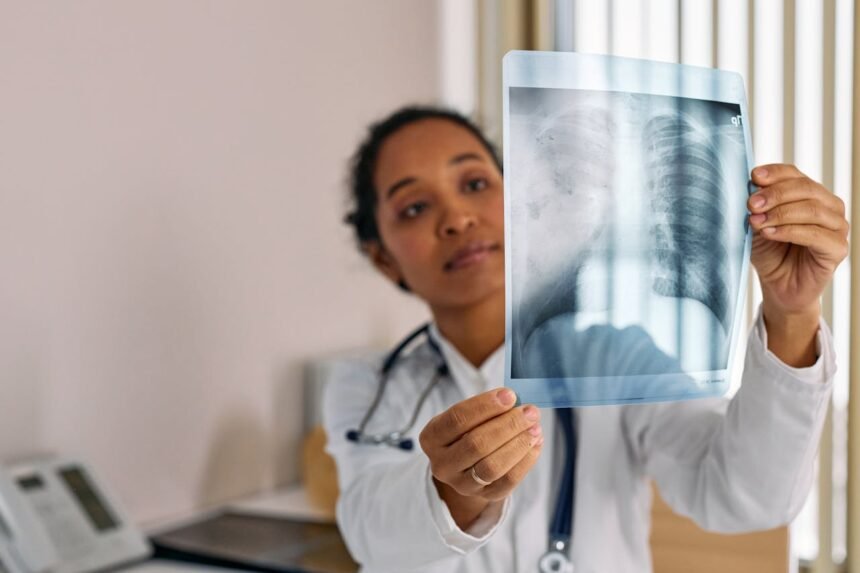
The intricate architecture of the human skeleton is a testament to nature’s engineering, providing structure, protection, and mobility. However, bone health is a dynamic process, susceptible to a myriad of influences ranging from genetics and lifestyle to hormonal changes and disease. As healthcare professionals, our role extends beyond mere diagnosis; it’s about translating complex diagnostic data, particularly bone scan results, into tailored, actionable patient care plans. This proactive approach is fundamental in mitigating the burden of skeletal diseases and enhancing long-term patient well-being.
The Diagnostic Imperative: Beyond the Image
Bone scans are indispensable tools in the diagnostic arsenal for evaluating skeletal health. While the term “bone scan” often broadly refers to various imaging modalities, it’s crucial to differentiate between them for precise interpretation and subsequent action. The two most common types offering distinct insights are Dual-energy X-ray Absorptiometry (DEXA) scans and nuclear medicine bone scintigraphy.
DEXA scans, primarily used to measure Bone Mineral Density (BMD), are the gold standard for diagnosing osteoporosis and assessing fracture risk. They quantify bone density in specific areas, most commonly the hip, spine, and forearm, providing T-scores and Z-scores. Nuclear medicine bone scans, or bone scintigraphy, on the other hand, reveal metabolic activity within the bone, indicating areas of increased or decreased bone turnover, which can point to fractures, infections, tumors, or other metabolic processes. Understanding what each scan reveals is the first step in formulating an effective care strategy.
Deconstructing DEXA: T-Scores, Z-Scores, and Clinical Relevance
Interpreting DEXA results requires a thorough understanding of T-scores and Z-scores, and their implications for patient care.
T-Score Interpretation and Its Implications
The T-score compares a patient’s BMD to that of a healthy young adult reference population of the same sex.
- T-score ≥ -1.0: Normal Bone Density. This indicates robust skeletal health. While intervention might not be immediate, it’s a prime opportunity for osteoporosis prevention. Care plans should emphasize ongoing bone density tips, encouraging a healthy bone diet rich in calcium rich foods and ensuring adequate vitamin D bones intake. Regular bone strength exercises and weight bearing workouts are vital for maintaining this status.
- T-score between -1.0 and -2.5: Osteopenia. This signifies lower-than-normal bone density, a precursor to osteoporosis. Patients in this category are at increased fracture risk factors. Action plans here are critical for delaying or preventing progression. This often includes comprehensive nutritional counseling, potentially with supplements for calcium and vitamin D, and a structured exercise regimen. Monitoring for conditions like menopause bone loss or other secondary causes is paramount.
- T-score ≤ -2.5: Osteoporosis. This diagnosis indicates significantly reduced bone density, placing the patient at a high risk for fragility fractures. Care plans must be aggressive and multifaceted, often involving pharmacological interventions (bisphosphonates, denosumab, etc.), extensive fall prevention strategies, and a strong emphasis on nutritional support and exercise modifications. This is particularly relevant for senior bone health and postmenopausal bones.
- T-score ≤ -2.5 with a fragility fracture: Severe Osteoporosis. This warrants the most urgent and intensive management, focusing on preventing recurrent fractures, pain management, and optimizing quality of life.
Z-Score Analysis
The Z-score compares a patient’s BMD to that of an age-matched and sex-matched reference population. A Z-score of -2.0 or lower is considered below the expected range for age and may suggest secondary causes of osteoporosis, such as underlying medical conditions, medications, or lifestyle factors. This finding necessitates a deeper diagnostic dive to identify and address the root cause, which will profoundly influence the care plan.
Unpacking Nuclear Bone Scans: Metabolic Activity and Targeted Interventions
Nuclear bone scans provide functional information by detecting areas of increased or decreased osteoblastic activity.
- Increased Uptake:
- Fractures (Occult or Stress): Localized hot spots can indicate new or healing fractures, including stress fractures common in athletes (e.g., runner bone stress). The action plan might involve immobilization, pain management, and nutritional support focusing on bone healing foods.
- Infections (Osteomyelitis): Focal increased uptake, especially with clinical signs, points towards infection. This requires antibiotic therapy, and potentially surgical debridement.
- Tumors (Primary or Metastatic): Many bone tumors, especially metastases, appear as areas of increased uptake. Further imaging (MRI, CT, biopsy) and oncology consultation are essential.
- Arthritis: Diffuse or multifocal increased uptake can be seen in various forms of arthritis bone care, prompting rheumatological evaluation and appropriate medical management.
- Decreased Uptake:
- Avascular Necrosis (AVN): Early AVN might show decreased uptake due to reduced blood supply to the bone. This warrants specific orthopedic management, which can range from conservative measures to surgical intervention.
Translating Findings into Comprehensive Care Plans: A Multidisciplinary Approach
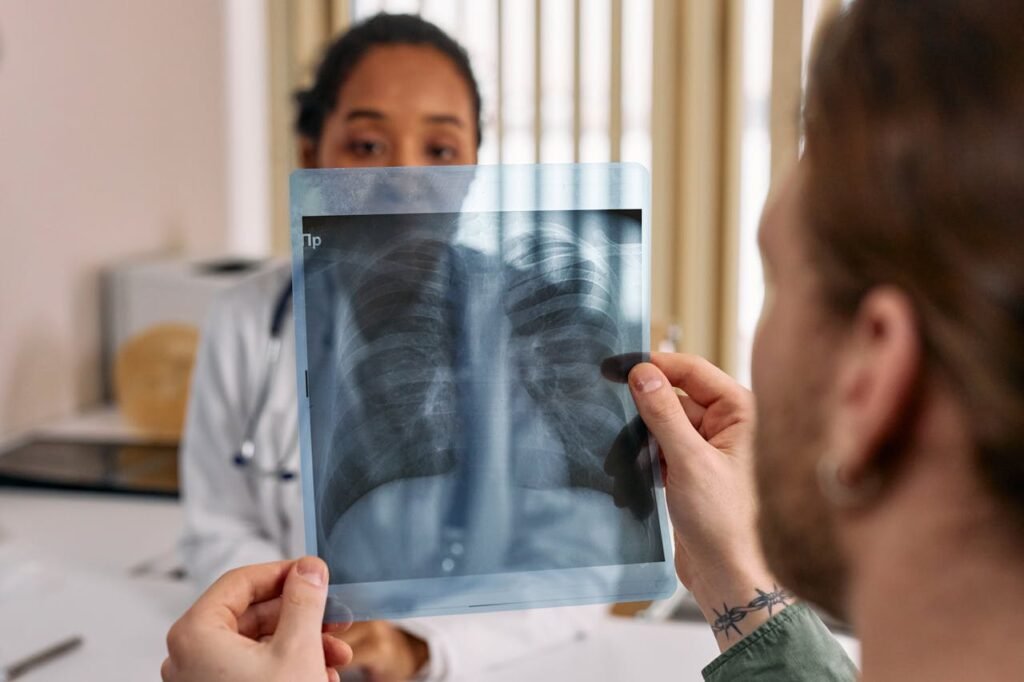
Effective patient care plans derived from bone scan results are rarely one-dimensional. They integrate medical, nutritional, and physical activity interventions, often requiring a multidisciplinary team.
1. Pharmacological Management
For osteopenia and osteoporosis, medication plays a vital role. Bisphosphonates, selective estrogen receptor modulators (SERMs), parathyroid hormone analogs, and receptor activator of nuclear factor kappa-Β ligand (RANKL) inhibitors are commonly prescribed. The choice depends on the patient’s specific T-score, fracture history, comorbidities, and preferences. For professionals, understanding the latest guidelines from organizations like the National Osteoporosis Foundation is crucial for optimal therapeutic choices.
2. Nutritional Interventions
Diet is a cornerstone of bone health, both in prevention and management.
- Calcium: Essential for bone structure. While calcium rich foods like dairy are common, alternatives for those needing dairy free calcium include fortified plant milks, leafy greens, fortified cereals, and certain nuts and seeds. The recommended daily intake varies by age and sex.
- Vitamin D: Crucial for calcium absorption. Sun exposure is a natural source, but supplements are often necessary, especially for senior bone health. Integrating foods fortified with vitamin D and natural sources like fatty fish is advised. For more on the importance of Vitamin D, consult reputable sources like the National Institutes of Health (NIH).
- Magnesium: Often overlooked, magnesium bone health is critical as it aids in vitamin D activation and regulates calcium. Sources include nuts, seeds, whole grains, and dark leafy greens.
- Other Nutrients: Vitamin K, phosphorus, and protein also contribute significantly. For example, evidence supports the benefits of collagen sources like bone broth benefits for connective tissue and bone matrix support, particularly relevant in bone healing foods.
3. Exercise and Physical Activity
Tailored exercise programs are essential for strengthening bones and muscles, improving balance, and reducing fall risk.
- Weight-Bearing Exercises: Activities like walking, jogging, dancing, and hiking are crucial for stimulating bone formation. These weight bearing workouts are fundamental for all age groups, including kids bone growth.
- Bone Strength Exercises: Resistance training using weights, resistance bands, or bodyweight helps build muscle mass and puts stress on bones, encouraging density improvement.
- Balance Training: Tai Chi, yoga, and specific balance exercises are vital for preventing falls, especially in older adults.
- For individuals with osteoporosis, exercise plans must be modified to prevent fractures, focusing on low-impact activities and avoiding movements that could cause spinal compression. The American Academy of Orthopaedic Surgeons provides excellent resources on exercise for bone health. For information on appropriate exercises for bone health, the Mayo Clinic offers valuable guidance.
4. Lifestyle Modifications
- Smoking Cessation: Smoking significantly increases fracture risk factors and impairs bone healing.
- Alcohol Moderation: Excessive alcohol intake can negatively impact bone density.
- Fall Prevention: Home safety assessments, appropriate footwear, and vision checks are critical, particularly for senior bone health. For comprehensive insights into fall prevention, the Centers for Disease Control and Prevention (CDC) offers robust guidelines.
5. Specialized Considerations
- Menopause Bone Loss: Women experiencing menopause bone loss require particular attention due to estrogen decline. Hormone replacement therapy (HRT) may be considered, alongside standard osteoporosis interventions.
- Kids Bone Growth: Ensuring adequate nutrition and physical activity during childhood and adolescence is paramount for peak bone mass, setting the foundation for lifelong bone health. For comprehensive advice on healthy bone development in children, consult the National Institute of Arthritis and Musculoskeletal and Skin Diseases (NIAMS).
- Vegan Bone Nutrients: For patients on vegan diets, specific attention to plant-based sources of calcium, vitamin D, and B12 is crucial to ensure adequate intake. This often requires careful dietary planning or supplementation.
- Runner Bone Stress: Athletes, especially runners, are susceptible to stress fractures. Education on proper training, footwear, and recognizing early symptoms is key for prevention and management. Understanding the biomechanics and nutritional needs for athletes is crucial. More detailed information on preventing runner’s bone stress can be found from sources like Harvard Health Publishing.
- Arthritis Bone Care: Managing inflammatory arthritis often involves medications that can impact bone density (e.g., corticosteroids). Proactive monitoring and bone protective strategies are essential.
Table: Bone Scan Interpretation to Actionable Steps
| Bone Scan Finding (DEXA T-Score) | Diagnostic Category | Initial Action Plan Considerations |
|---|---|---|
| ≥ -1.0 | Normal | Maintain healthy bone diet, regular weight bearing workouts, ensure adequate calcium/vitamin D, review osteoporosis prevention strategies. |
| -1.0 to -2.5 | Osteopenia | Lifestyle modifications, increased calcium/vitamin D intake (diet/supplements), targeted bone strength exercises, monitor menopause bone loss; consider pharmacotherapy if high fracture risk factors. |
| ≤ -2.5 | Osteoporosis | Pharmacotherapy, aggressive fall prevention, comprehensive nutrition plan (including bone healing foods), tailored exercise, regular monitoring. |
| ≤ -2.5 + Fragility Fracture | Severe Osteoporosis | Intensive pharmacotherapy, fracture management, pain control, fall prevention, specialist referral (orthopedic, endocrinology). |
| Z-Score ≤ -2.0 (any T-score) | Secondary Osteoporosis | Investigate underlying causes (medications, diseases), address primary condition, combined with appropriate osteoporosis management. |
For detailed clinical guidelines on osteoporosis management and bone density tips, resources from the International Osteoporosis Foundation are highly recommended.
Conclusion
Translating bone scan results into actionable patient care plans is an art and a science that demands a comprehensive understanding of diagnostic nuances, an appreciation for multidisciplinary collaboration, and a commitment to patient-centered care. By moving beyond a simple diagnosis to a proactive, tailored intervention strategy encompassing pharmacological, nutritional, and physical activity components, healthcare professionals can significantly impact patient outcomes. Empowering patients with knowledge, addressing their specific fracture risk factors, and guiding them towards sustainable lifestyle changes are crucial for building and maintaining strong bones throughout life, ultimately mitigating the global burden of skeletal disease. For a broader perspective on global public health strategies for bone health, the World Health Organization (WHO) offers valuable insights. Furthermore, staying updated with the latest research published in journals such as the Journal of Bone and Mineral Research is essential for evidence-based practice.
Frequently Asked Questions (FAQ)
Q1: What is the primary difference between a DEXA scan and a nuclear medicine bone scan?
A1: A DEXA scan (Dual-energy X-ray Absorptiometry) measures bone mineral density (BMD) and is the gold standard for diagnosing osteoporosis and assessing fracture risk. A nuclear medicine bone scan, or bone scintigraphy, shows metabolic activity in the bones, which can indicate fractures, infections, tumors, or other bone diseases by detecting areas of increased or decreased bone turnover.
Q2: When should a patient typically undergo a bone density scan (DEXA)?
A2: Guidelines vary, but generally, women aged 65 and older, men aged 70 and older, and younger postmenopausal women or men aged 50-69 with fracture risk factors (e.g., low body weight, prior fracture, steroid use) should consider a DEXA scan. Individuals with certain medical conditions or on specific medications that affect bone density may also be candidates.
Q3: Can lifestyle changes alone reverse osteoporosis?
A3: While lifestyle changes are crucial for osteoporosis prevention and management, they typically cannot reverse established osteoporosis. A combination of a healthy bone diet (rich in calcium rich foods and vitamin D bones), weight bearing workouts, and often pharmacological intervention is usually necessary to halt progression, improve bone density, or reduce fracture risk factors significantly.
Q4: Are there alternatives for patients who cannot consume dairy for calcium intake?
A4: Absolutely. Many non-dairy sources are excellent for dairy free calcium. These include fortified plant milks (almond, soy, oat milk), fortified orange juice, leafy green vegetables (collard greens, kale), broccoli, sardines with bones, tofu, and certain nuts and seeds like almonds and chia seeds. Ensuring adequate magnesium bone health is also important as it aids calcium absorption. For comprehensive information on plant-based nutrition, the Vegetarian Nutrition Dietetic Practice Group provides useful resources.