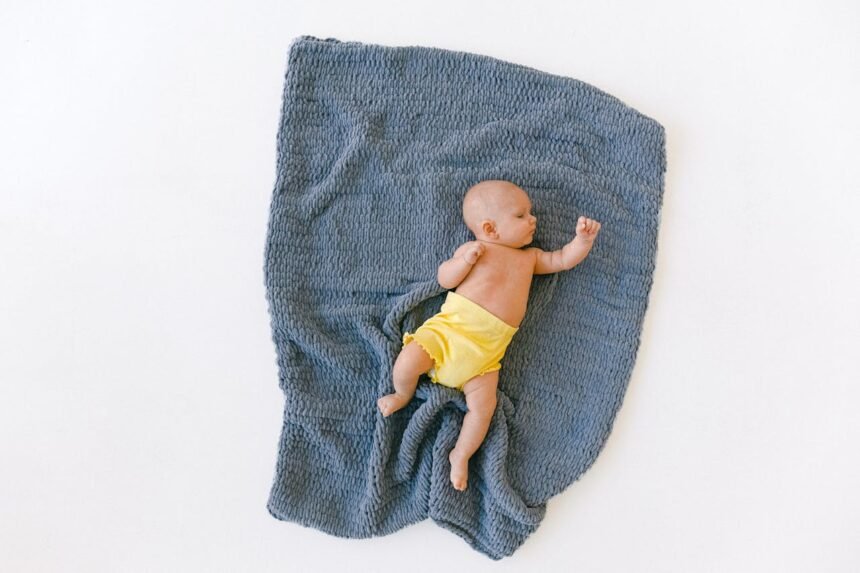
For many new parents, the thought of booking a vacation brings about a specific kind of anxiety. You have spent months meticulously crafting a nap schedule, battling regressions, and finally achieving nights of restorative rest. The idea of upending that progress by taking a trip can feel daunting. However, exploring the world (or just visiting the grandparents) doesn’t have to result in exhaustion. By implementing effective traveling with baby sleep strategies, you can maintain your little one’s circadian rhythm while making memories.
This comprehensive guide explores the physiological and environmental factors of infant sleep during travel and provides actionable advice to keep your family well-rested, no matter the destination.
The Physiology of Infant Sleep in New Environments
To understand why travel disrupts sleep, we must look at the biology. Babies rely heavily on external cues—light, temperature, and routine—to regulate their circadian rhythms. When you change these variables, the body’s production of melatonin (the sleep hormone) can become irregular.
Furthermore, infants process sensory input differently than adults. A new hotel room isn’t just a place to sleep; it is a bombardment of new smells, sights, and sounds. According to the American Academy of Pediatrics (AAP), maintaining a safe and consistent sleep environment is crucial not just for rest, but for Sudden Unexpected Infant Death (SUID) prevention.
Pre-Trip Preparation: The Foundation of Success
Successful sleep on the go begins long before you pack the car or board the plane. Preparation is the most vital component of your strategy.
1. Replicate the Home Environment
Your goal is to make the temporary sleeping space feel as much like home as possible. This triggers the brain’s association with sleep.
- White Noise: If you use a sound machine at home, it is non-negotiable on a trip. It masks the unfamiliar sounds of a hotel hallway or a creaky guest room floor. The Sleep Foundation notes that white noise can significantly improve sleep quality by smoothing out the audio environment.
- Darkness: Melatonin production requires darkness. Portable blackout curtains or even heavy-duty garbage bags and painter’s tape can transform a bright room into a sleep sanctuary.
- Bedding: Bring the unwashed crib sheet from home. The familiar scent of their own bed (and you) provides immense comfort and safety cues.
2. Gear That travels Well
Ensure your travel crib is safe. The Consumer Product Safety Commission (CPSC) provides strict standards for play yards. Always check that your portable crib meets current safety regulations.
Navigating Time Zones and Jet Lag
One of the most complex aspects of traveling with baby sleep strategies is handling time zone shifts. The approach depends on the duration of your trip and the direction of travel.
The “East vs. West” Challenge
Traveling East is generally harder than traveling West because you are asking the body to sleep before it is tired.
- Short Trips (< 3 days): Keep the baby on their home time zone. If they usually sleep at 7:00 PM EST and you are in California (PST), put them down at 4:00 PM PST. This avoids the painful adjustment period for a short stay.
- Long Trips (> 3 days): You will need to shift their schedule. The CDC recommends using light exposure to help reset the body clock. Expose the baby to bright natural light in the morning at the new destination to help them wake up and reset.
Time Zone Adjustment Strategy Table
Below is a strategic guide for shifting a baby’s schedule for a long-term trip crossing 3+ time zones.
| Day | Strategy for Eastward Travel (e.g., NY to London) | Strategy for Westward Travel (e.g., NY to LA) |
|---|---|---|
| Pre-Trip (2 Days Prior) | Wake baby 15–30 mins earlier than usual. Shift bedtime 15–30 mins earlier. | Keep normal schedule or shift 15 mins later if toddler is adaptable. |
| Travel Day | Nap on the go. Aim for hydration. Do not let baby oversleep during the day. | Nap on the go. Try to stretch the last wake window slightly to align with local bedtime. |
| Day 1 at Destination | Expose to bright morning light immediately. Cap naps to ensure bedtime tiredness. | Expose to afternoon sunlight. Keep evening environment bright until 30 mins before new bedtime. |
| Day 2 at Destination | Shift schedule by 30-60 mins toward local time. | Shift schedule by 30-60 mins toward local time. |
| Day 3 at Destination | Fully adopt local time meals and sleep. | Fully adopt local time meals and sleep. |
Transit Tips: Planes, Trains, and Automobiles
Flying with an Infant
The change in cabin pressure during takeoff and landing can cause ear pain, which ruins sleep. The Mayo Clinic suggests encouraging swallowing by nursing or offering a bottle during ascent and descent to equalize pressure.
- Respect the Nap (Loosely): If the flight coincides with nap time, try to create a dark environment using a nursing cover or canopy. However, do not stress if the nap is short. Junk sleep is better than no sleep on a travel day.
- Security Checkpoints: Familiarize yourself with TSA guidelines regarding liquids and breast milk to avoid unnecessary stress and delays that could disrupt a tired baby.
Road Trips
While cars often lull babies to sleep, NHTSA guidelines regarding car seats are paramount. A car seat is designed for crash protection, not prolonged sleep. If a road trip is long, plan for frequent stops. The American Academy of Pediatrics advises that infants should not be in a car seat for prolonged periods without a break to ensure open airways and spinal health.
The 80/20 Rule: Balancing Routine and Flexibility
Perfection is the enemy of a good vacation. When implementing traveling with baby sleep strategies, adopt the 80/20 rule: adhere to the routine 80% of the time, and allow for 20% flexibility.
If a nap has to happen in the stroller because you are exploring a museum or hiking a trail, that is acceptable. According to Zero to Three, a leading resource on early development, consistent responsive caregiving is more important than a rigid schedule during times of transition. If the baby cries more than usual at bedtime, they may need extra soothing to feel secure in the strange environment.
Handling Overtiredness
Travel is stimulating. A baby who is overstimulated and overtired will produce cortisol (a stress hormone) and adrenaline, making sleep difficult. Watch for early sleep cues—rubbing eyes, pulling ears, or staring into space. The Cleveland Clinic highlights that catching these cues early prevents the “second wind” that makes bedtime struggles significantly harder.
Conclusion: You Can Do This
Traveling with a baby requires logistics and patience, but it is entirely manageable. By respecting the biology of sleep, replicating the home environment, and planning your transit wisely, you can mitigate the worst of the sleep disruptions. Remember, even if sleep falls apart for a night or two, babies are resilient. Once you return home and re-establish your standard routine, they will bounce back.
Don’t let the fear of a missed nap keep you from showing your child the world. Pack the white noise machine, check your blackout shades, and book that ticket.
Safe travels and sweet dreams!
Ready for your next family adventure? Subscribe to our newsletter for more expert parenting guides and travel gear reviews.