Welcoming a new baby is a joyous occasion, but it also brings a fair share of mess. Amongst the adorable onesies and tiny socks, there is one item that seasoned parents will tell you to stockpile: the humble burp cloth. While it might not be the most glamorous item on your newborn essentials checklist UK, it is undoubtedly one of the most practical.
Whether you are dealing with a little bit of dribble or a baby with reflux, having the right protection for your clothes (and your furniture) is vital. In this guide, we will explore everything you need to know about burp cloths, from choosing the best fabric for burp cloths to understanding the difference between these and traditional muslin squares.
What is a Burp Cloth and Why Do You Need One?
Simply put, a burp cloth is a piece of absorbent fabric designed to be draped over your shoulder or placed under your baby’s chin during winding. Its primary purpose is to catch spit-up, milk dribbles, and vomit, protecting your clothing from stains and odours.
Feeding a baby, whether by breast or bottle, often leads to trapped wind. As per the NHS, winding your baby is a crucial part of feeding to prevent discomfort. During this process, wet burps are common. A good burp cloth acts as a barrier, saving you from changing your outfit multiple times a day.
Muslin Squares vs Burp Cloths: What is the Difference?
New parents often get confused by the terminology. Are muslin squares vs burp cloths the same thing? Not quite, although they can overlap in function.
* Muslin Squares: These are large, thin, square pieces of fabric, usually made from cotton or bamboo. They are incredibly versatile. You can use them for swaddling, as a makeshift bib, a breastfeeding cover, or a changing mat liner. However, because they are thin, liquid can sometimes soak straight through them onto your shoulder.
* Burp Cloths: These are specifically designed for the task. They are often thicker, featuring multiple layers of fabric for higher absorbency. Many are contoured (kidney-shaped) to sit snugly over the curve of your shoulder without slipping off.
While you can fold a muslin square to create layers, a dedicated burp cloth offers superior protection, especially for heavy spit-up.
Choosing the Best Fabric for Burp Cloths
When searching for the best fabric for burp cloths, absorbency and softness are key. A baby’s skin is delicate, so you want materials that are gentle yet effective at wicking away moisture.
1. Organic Cotton
Organic cotton burp cloths UK are a top choice for eco-conscious parents. Unlike conventional cotton, organic cotton is grown without harmful pesticides or synthetic fertilisers. This makes it hypoallergenic and ideal for babies with sensitive skin or eczema. Look for the Global Organic Textile Standard certification to ensure quality. You can learn more about organic standards from the Soil Association.
2. Bamboo
Bamboo is rapidly gaining popularity in the baby world. Bamboo burp cloths benefits include being naturally antibacterial, hypoallergenic, and incredibly soft—often described as feeling like silk. Bamboo fibre is also highly absorbent, holding up to three times its weight in water, making it excellent for messy feeders.
3. Terry Cloth
Terry cloth is the material used for bath towels. It consists of many tiny loops that trap liquid effectively. If you need absorbent burp cloths for reflux, a terry-backed cloth is a robust option. It might not be as soft as bamboo, but it is a workhorse for absorption.
How Many Burp Cloths Do I Need?
The answer to “how many burp cloths do I need” depends largely on your baby’s feeding habits and your laundry routine.
The Light Spitter:** If your baby rarely spits up, you might get away with *6 to 8 cloths. This allows you to have a few in the rotation while others are in the wash.
The Average Baby:** For most parents, *10 to 14 cloths is the sweet spot. This ensures you have one in the nursery, one in the living room, one in the pram, and a few spares in the changing bag.
The Reflux Baby:** If your baby suffers from reflux, you will likely go through them at an alarming rate. In this case, aiming for *20 or more is sensible to avoid running the washing machine constantly.
According to BabyCentre UK, having a good supply of these essentials prevents panic when you are down to your last clean rag.
Washing and Hygiene: Keeping Things Fresh
Hygiene is paramount when dealing with milk and vomit, as bacteria can breed quickly in damp fabric. Here is a guide to washing baby burp cloths effectively:
- Pre-treat Stains: Milk stains can be stubborn. Rinse the cloth in cold water immediately after use to stop the protein in the milk from setting.
- Temperature: The NHS recommends washing baby clothes at a higher temperature if they are heavily soiled to ensure bacteria are killed. A 60°C wash is usually sufficient for cottons.
- Detergent: Use a non-biological detergent. Biological detergents contain enzymes that can irritate a newborn’s delicate skin.
- Avoid Fabric Softener: While it makes things smell nice, fabric softener coats the fibres and reduces absorbency—the exact opposite of what you want in a burp cloth.
Creative Uses and Repurposing
One of the best things about these cloths is their longevity. Even after your baby has outgrown the burping phase, reusing old burp cloths is easy and practical.
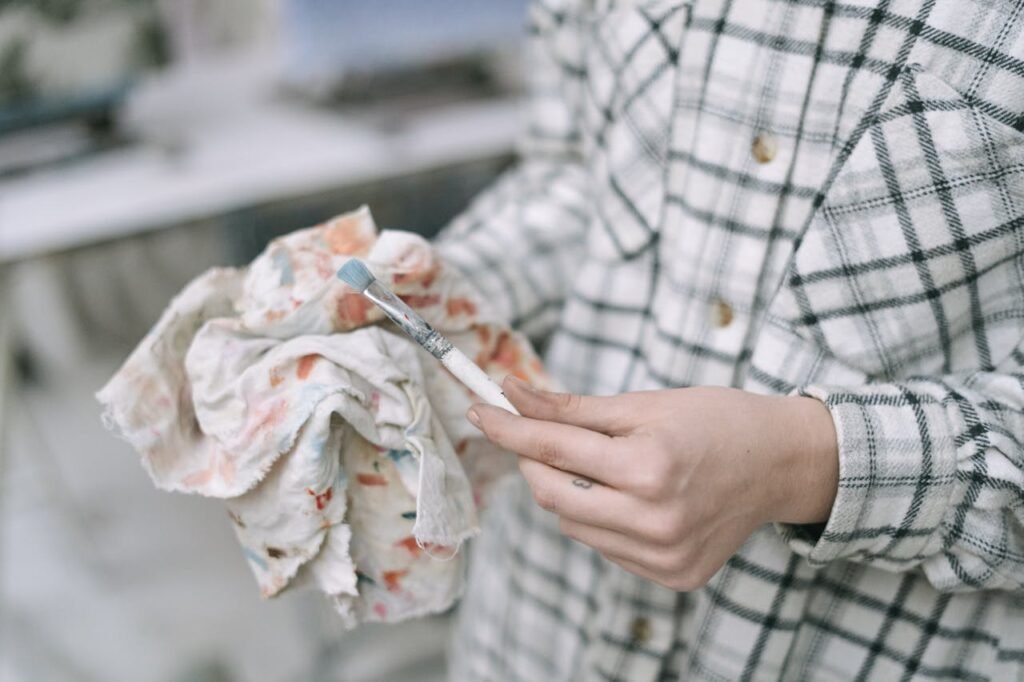
* Cleaning Rags: Their absorbency makes them perfect for dusting or cleaning windows.
* Changing Mat Liners: Place one under your baby’s bottom on the changing mat for a warmer surface that catches unexpected leaks.
* Toy Cleaning: Use them with a mild disinfectant to wipe down plastic toys.
* Washcloths: Soft bamboo cloths make excellent face flannels for toddlers.
DIY: How to Make Your Own
If you are handy with a sewing machine, learning how to make burp cloths is a rewarding project. It is also a great way to save money.
- Select Your Fabric: Buy a metre of flannel or terry cloth and a metre of decorative cotton for the front.
- Cut the Shape:* You can download a free *burp cloth pattern free online or simply trace a kidney shape onto a piece of card.
- Sew: Place the fabrics right-sides together, sew around the edge leaving a small gap, turn it right-side out, and topstitch.
This simple project allows you to create personalised burp cloths UK style, which make fantastic gifts for friends.
Safety Guidelines
While burp cloths are essential, safety is critical. The Lullaby Trust provides clear safe sleep guidelines UK parents should follow.
* Clear Cot: Never leave a burp cloth (or any loose item) in the cot with a sleeping baby. Loose fabrics can pose a suffocation risk.
* Supervision: Always remove the cloth from under your baby’s head if you put them down to sleep.
For more on keeping your baby safe, you can consult ROSPA (The Royal Society for the Prevention of Accidents).
Making the Right Choice for Your Family
Ultimately, building your stash of eco friendly baby products UK like organic or bamboo burp cloths is an investment in your sanity. They save you from constant outfit changes and keep you and your baby comfortable during feeds. Whether you choose store-bought contoured cloths or simple muslin squares, ensuring you have enough on hand will make the “fourth trimester” much smoother.
> Parenting Tip: Keep a basket of clean burp cloths in every room where you feed the baby. You never know when a sneeze might turn into a mess!
For further reading on feeding and winding, the NCT offers excellent resources and community support for new parents. Additionally, Unicef UK provides valuable information on caring for your baby at night.
Frequently Asked Questions (FAQ)
1. What is the best burp cloth size guide?
A standard size is approximately 50cm x 25cm. However, larger cloths (often called “over-the-shoulder” sizes) are better for parents who want maximum coverage. When looking at a burp cloth size guide, wider is generally better to prevent spit-up sliding off the edge.
2. Can I use flannel blankets as burp cloths?
Yes, receiving blankets made of flannel are often used as makeshift burp cloths. They are soft and absorbent but can be quite bulky. Many parents cut them in half and hem the edges to create perfectly sized burp rags.
3. How often should I change my baby’s burp cloth?
Ideally, you should grab a fresh one every day for hygiene reasons. However, if the cloth gets wet or soiled with vomit, it should be changed immediately to prevent bacteria growth and bad smells.
4. Why are my burp cloths not absorbing liquid?
If your cloths are repelling water rather than absorbing it, it is likely due to fabric softener build-up. Wash them on a hot cycle (60°C) with a cup of white vinegar and no detergent to strip the residue and restore absorbency.
5. Are expensive burp cloths worth the money?
While you can survive with basic budget cloths, investing in a few high-quality, absorbent burp cloths for reflux (like multi-layered muslin or bamboo) can be worth it. They last longer, stay softer after washing, and protect your clothes better, reducing your overall laundry load.
Allergy UK is a useful resource if you suspect your baby’s skin is reacting to certain fabrics or detergents.