
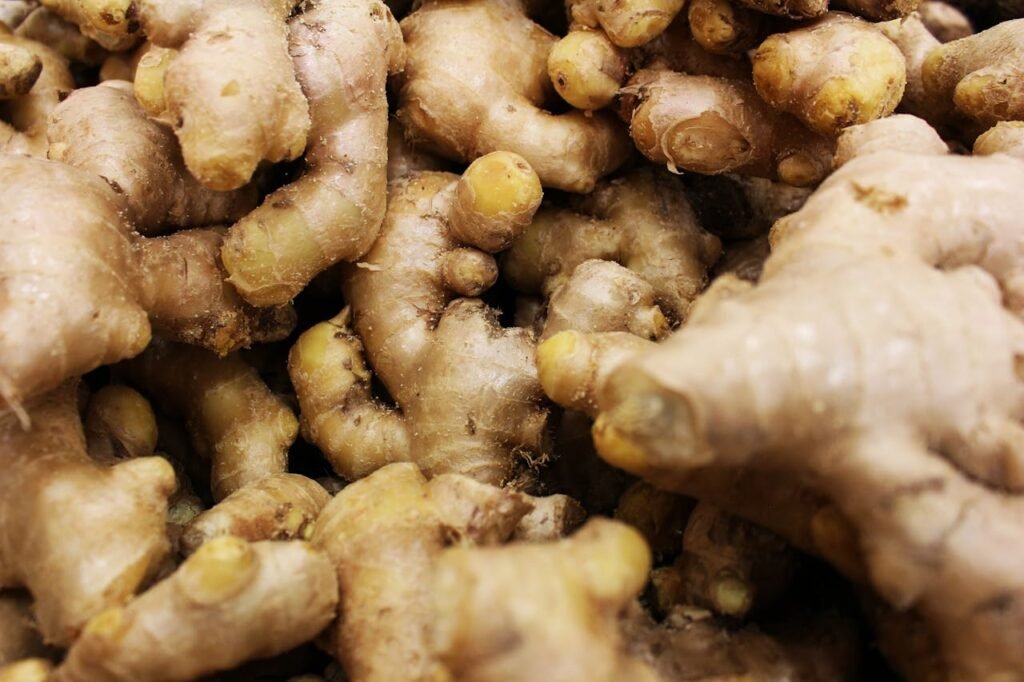
Ginger (Zingiber officinale) has been a cornerstone of traditional medicine for thousands of years. While many of us are familiar with the knobbly root found in the produce aisle, Ginger Extract represents a more concentrated, potent form of this powerful rhizome.
Extracts are designed to deliver higher levels of bioactive compounds than you might achieve simply by adding ginger to a stir-fry. For individuals seeking targeted health benefits—ranging from nausea relief to inflammation management—understanding the nuances of ginger extract is essential.
This article explores the science, benefits, safety, and practical uses of ginger extract to help you decide if it is the right addition to your wellness regimen.
Overview: What Is Ginger Extract?
Ginger extract is a supplemental form of ginger where the active ingredients have been isolated and concentrated. This is typically achieved using solvents like alcohol or CO2 extraction methods.
The Power of Bioactivity
The primary reason people turn to extracts is gingerol bioactivity. Gingerols are the oily resinous compounds responsible for the spice’s pungency and much of its medicinal value. In fresh ginger, gingerol is the dominant compound. However, when ginger is dried or extracted, chemical changes occur.
Through heat and extraction processes, gingerols can transform into shogaols, which are even more potent in terms of antioxidant and anti-inflammatory capacity. This makes the extract distinct from fresh consumption. If you are debating the merits of different forms, it is worth reading about Dried Ginger vs Fresh: Which is Better for You? to understand the baseline differences.
Supplements labelled as “standardised” guarantee a specific percentage of these bioactive compounds, ensuring consistency that raw roots cannot provide.
Digestive Health: A Primary Indication
The most well-documented use of ginger extract is for digestive support. It functions as a carminative (helping to eliminate gas) and an intestinal spasmolytic (relaxing and soothing the intestinal tract).
Nausea and Morning Sickness
Nausea relief is perhaps the most famous application. The nausea relief mechanisms of ginger involve accelerating gastric emptying and blocking serotonin receptors in the gut lining that trigger the vomiting reflex.
For pregnant individuals, morning sickness remedies are often limited due to safety concerns with pharmaceuticals. Ginger extract is widely considered safe and effective for reducing the severity of nausea during pregnancy.
According to the National Center for Complementary and Integrative Health (NCCIH), studies consistently show ginger’s efficacy in this area. While some prefer liquid forms, others might look for digestive health supplements in capsule form for convenience.
For those who prefer a liquid approach but want a DIY option, the principles are similar to How to Make Ginger Juice for Better Digestion, though an extract will be significantly stronger.
Chemotherapy-Induced Nausea
Standard anti-nausea medications given during cancer treatment are effective but do not always work for everyone. Research suggests that ginger supplementation safety allows it to be used as an adjunct therapy to reduce acute chemotherapy-induced nausea, providing relief where conventional drugs may fall short.
Pain and Inflammation Management
Chronic inflammation is a driver for many modern diseases. The anti-inflammatory properties of ginger extract are comparable to non-steroidal anti-inflammatory drugs (NSAIDs) in some studies, but with a lower risk of gastric ulcers.
Osteoarthritis
Osteoarthritis symptom reduction is a key area of research. A study highlighted by the Arthritis Foundation suggests that highly concentrated ginger extract can reduce knee pain and stiffness.
The extract works by inhibiting the synthesis of pro-inflammatory cytokines. While topical applications like A Guide to Using Ginger Oil for Aromatherapy can help locally, oral extracts provide systemic relief.
Menstrual Pain (Dysmenorrhea)
For many women, menstrual pain relief is a monthly struggle. Clinical trials have indicated that taking ginger extract during the first few days of a menstrual cycle can be as effective as ibuprofen or mefenamic acid in reducing pain intensity.
Metabolic and Cardiovascular Health
Beyond the gut and joints, ginger extract is showing promise in metabolic regulation.
Blood Sugar Control
Emerging research indicates that ginger may play a role in blood sugar regulation. Studies published in reputable journals found that ginger supplementation significantly reduced fasting blood sugar and HbA1c levels in people with type 2 diabetes.
It is thought that ginger enhances insulin sensitivity, allowing cells to utilise glucose more effectively. You can read more about diabetes management strategies at Diabetes UK.
Heart Health
The cardiovascular health benefits of ginger extract are linked to its ability to lower blood pressure and improve lipid profiles. The antioxidant profile of the extract helps prevent the oxidation of LDL (bad) cholesterol, a key step in the development of atherosclerosis (hardening of the arteries).
For a broader look at immunity and heart health, consider how concentrated doses are used in other formats, such as discussed in Are Ginger Shots Actually Good for Your Immunity?.
Forms and Dosage
Navigating the supplement aisle can be confusing. Ginger extract comes in various forms, including tinctures, fluid extracts, and standardised capsules.
Tinctures vs. Capsules
Ginger tincture dosage is usually measured in drops or millilitres. Tinctures are alcohol-based and absorb rapidly into the bloodstream. However, the taste can be intense. Capsules containing standardised ginger root extract are generally preferred for long-term management of inflammation or blood sugar because they ensure a precise dose of gingerols (usually 5%).
Culinary Integration
While extracts are supplements, the flavour profile often remains. Some liquid extracts can be used in cooking, though they are far more potent than pastes. For general cooking, you are better off sticking to How to Use Ginger Paste in Your Daily Cooking or Fresh Ginger: Selection, Storage, and Health Uses.
If you enjoy the taste of ginger as a digestive aid, you might also enjoy the milder benefits of The Nutritional Benefits of Pickled Ginger.
Safety and Side Effects
While natural, ginger extract side effects can occur, particularly if taken in large doses. Common issues include mild heartburn, diarrhoea, and mouth irritation.
Interactions and Contraindications
Ginger has mild blood-thinning properties. Therefore, ginger extract for pain management should be discussed with a doctor if you are already taking anticoagulants like warfarin. The Mayo Clinic advises caution for those with gallstones, as ginger can increase bile flow.
Furthermore, distinguishing between edible ginger and other species is vital. Always ensure your supplement is Zingiber officinale and read up on related plants, such as in Wild Ginger: Safety and Culinary Applications, to avoid confusion with toxic varieties.
Tips for Choosing a Ginger Extract
- Check the Label: Look for “supercritical extraction” or “standardised to 5% gingerols.”
- Avoid Fillers: Ensure the supplement doesn’t contain unnecessary binders or artificial colours.
- Third-Party Testing: Opt for brands that have been tested by independent organisations like USP or NSF.
- Start Low: If using a liquid, start with the lowest ginger tincture dosage recommended to assess tolerance.
For those interested in external applications alongside internal supplementation, you might explore The Skin Benefits of Using Natural Ginger Soap.
Also, if you find the extract too harsh for your stomach, you might prefer the gentle, warm hydration of Soothing Your Stomach with Ginger Root Tea as an alternative.
The Bottom Line
Ginger extract is a potent, versatile supplement that harnesses the ancient power of the ginger rhizome. From acting as one of the most effective morning sickness remedies to offering osteoarthritis symptom reduction, the scientific backing for this botanical is strong.
However, potency brings responsibility. Always adhere to recommended dosages and consult with a healthcare professional, especially if you manage chronic conditions. Whether you choose a tincture, a capsule, or stick to whole foods, ginger remains a powerful ally in health.
For further reading on evidence-based herbal medicine, the Cochrane Library offers systematic reviews on ginger’s efficacy.
Other reputable resources for herbal safety include Mount Sinai Health Library and the UK’s NHS website. For general nutritional data, Nutrition.gov is an excellent resource. Additionally, the Office of Dietary Supplements (ODS) provides detailed fact sheets for consumers.