In the pursuit of voluminous, lustrous hair, we often find ourselves navigating a labyrinth of expensive serums, supplements, and high-tech gadgets. Yet, one of the most effective tools for hair rejuvenation may literally be at our fingertips. While often viewed merely as a luxurious add-on to a salon wash, the benefits of scalp massage for hair growth are grounded in physiological science.
Beyond the immediate relaxation it provides, scalp stimulation initiates a cascade of biological responses—from increased blood flow to the mechanical stimulation of follicle cells—that can significantly impact the density and health of your hair. This comprehensive guide delves into the mechanisms behind scalp massage, the evidence supporting its efficacy, and the best techniques to incorporate into your daily regimen.
The Physiology of Hair Growth: How Massage Works
To understand why massage is effective, we must first look at the anatomy of the scalp. The hair follicle is a complex mini-organ that requires a robust supply of oxygen and nutrients to produce keratin.
1. Mechanical Stimulation and Gene Expression
Recent research suggests that the benefits of scalp massage extend to the cellular level. A pivotal study published by the National Center for Biotechnology Information (NCBI) demonstrated that standardized scalp massage resulted in increased hair thickness. The mechanical stretching of the cells within the hair follicle—specifically the dermal papilla cells—modulates gene expression related to the hair cycle, potentially shifting follicles from the resting phase (telogen) to the growth phase (anagen).
2. Enhanced Microcirculation
Blood circulation is the delivery system for the body. The Cleveland Clinic explains that capillaries deliver oxygen and micronutrients to tissues. When the scalp is tight or tense, blood flow can be restricted. Massage causes vasodilation (widening of blood vessels), ensuring that the hair bulb receives the nourishment required for optimal protein synthesis.
Key Benefits of Scalp Massage for Hair Growth
Incorporating this practice into your routine offers a holistic approach to hair health. Here are the primary advantages:
Combatting Follicular Miniaturization
Follicular miniaturization is a process common in androgenetic alopecia, where follicles shrink over time, producing thinner and wispier hairs. Regular mechanical stimulation can help counteract this by keeping the tissue around the follicle pliable and thick.
Stress Reduction and Cortisol Management
It is well-documented by institutions like the Mayo Clinic that high stress levels can trigger conditions like telogen effluvium, pushing hair into a shedding phase. Scalp massage activates the parasympathetic nervous system, lowering heart rate and reducing levels of cortisol (the stress hormone). By managing the body’s stress response, you indirectly protect your hair from stress-induced shedding.
Improved Product Absorption
If you use topical treatments, such as minoxidil or natural growth serums, massage is a crucial force multiplier. By exfoliating the stratum corneum (the outer layer of skin) and increasing local blood flow, you enhance the permeability of the scalp, allowing active ingredients to penetrate deeper where they can be most effective.
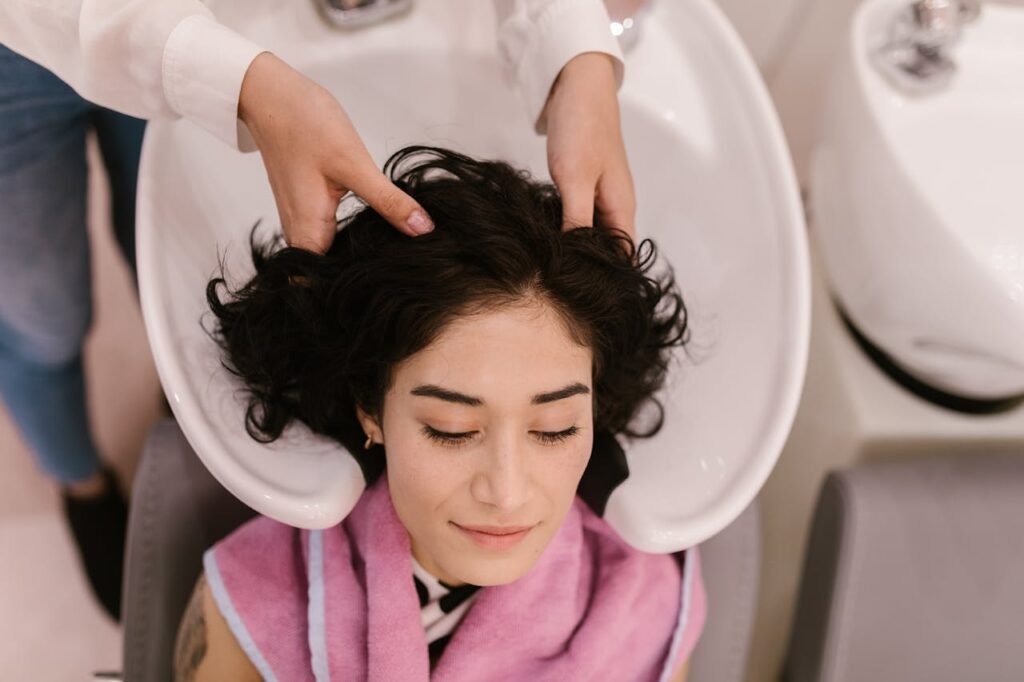
Comparison of Scalp Stimulation Methods
Not all massages are created equal. Below is a comparison of common tools and techniques used to achieve the benefits of scalp massage for hair growth.
| Feature | Manual Finger Massage | Electric Scalp Massager | Derma Roller (Microneedling) | Professional Scalp Facial |
|---|---|---|---|---|
| Primary Mechanism | Mechanical pressure & warmth | Vibration & pulsation | Micro-injury & collagen induction | Exfoliation & steam |
| Ease of Use | High (Requires no tools) | High (Automated motion) | Moderate (Requires sterility) | Low (Requires appointment) |
| Risk Level | Low | Low | Moderate (Risk of infection if dirty) | Low |
| Cost | Free | $30 – $150 | $15 – $50 | $100 – $300+ |
| Best For | Daily maintenance & relaxation | Consistent pressure & convenience | Advanced regrowth stimulation | Deep cleaning & detox |
| Frequency | Daily (4-5 mins) | Daily or every other day | 1-2 times per week | Monthly |
Synergizing Massage with Essential Oils
To maximize the benefits of scalp massage for hair growth, many experts recommend the use of carrier oils infused with essential oils. This provides “slip” to prevent friction damage while delivering therapeutic compounds.
- Rosemary Oil: A study highlighted on PubMed compared rosemary oil to minoxidil 2%, finding both to be significant in increasing hair count after six months, but with rosemary oil causing less scalp itching.
- Peppermint Oil: Known for its cooling sensation, menthol acts as a vasodilator, further boosting blood flow.
- Jojoba Oil: chemically similar to human sebum, making it an excellent carrier that doesn’t clog pores.
Step-by-Step Techniques for Maximum Growth
Merely rubbing your head isn’t enough; technique matters. The American Academy of Dermatology (AAD) emphasizes gentle handling to prevent breakage.
1. The Effleurage Warm-Up
Begin at the front of your hairline. Using the pads of your fingers (never the nails), apply light pressure and move backward toward the crown in long, sweeping strokes. This warms up the tissue and prepares the scalp for deeper work.
2. The Petrissage Circle
Place your hands on the sides of your head above the ears. Apply firm pressure and move the scalp itself in circular motions. The goal is to move the skin over the skull, not just slide your fingers over the hair. Gradually work your way up to the crown.
3. The Pinch and Roll
For areas with loose skin, gently pinch the scalp between your thumb and forefingers and roll the tissue slightly. This helps detach the skin from the underlying fascia, improving elasticity.
4. The Occipital Release
Don’t ignore the back of the head. The occipital muscle, located at the base of the skull, often holds immense tension. Use your thumbs to apply pressure here, which can relieve tension headaches and improve blood flow from the neck to the scalp.
Consistency is Key
Like any physiological change, results from scalp massage are cumulative. The International Journal of Trichology often notes that consistency in trichological treatments is the primary factor in success. Aim for at least 4 to 5 minutes of massage daily. It can be performed on dry hair, or in the shower while lathering shampoo.
When to Avoid Scalp Massage
While generally safe, there are contraindications. You should avoid vigorous massage if:
- You have a contagious skin condition (like ringworm).
- You have open sores or cuts on the scalp.
- You have recently had hair transplant surgery (consult your surgeon first).
- You suffer from severe psoriasis (friction can exacerbate inflammation).
According to Harvard Health, massage should be soothing; if you experience pain, you are applying too much pressure or irritating sensitive tissue.
Conclusion: A Ritual for Growth
The benefits of scalp massage for hair growth are supported by both anecdotal success stories and emerging clinical data. It is a cost-effective, accessible, and scientifically sound method to improve the environment in which your hair grows. By dedicating just five minutes a day to this practice, you not only encourage thicker, healthier strands but also introduce a moment of mindfulness and stress relief into your daily life.
Whether you use your fingertips or a specialized device, the key lies in the movement of the scalp and the consistency of the habit. Start your journey to better hair health today—one circular motion at a time.
Disclaimer: While scalp massage is beneficial, it is not a cure for underlying medical conditions causing hair loss. For sudden or severe hair loss, consult a board-certified dermatologist or visit resources like WebMD for diagnostic guidance.