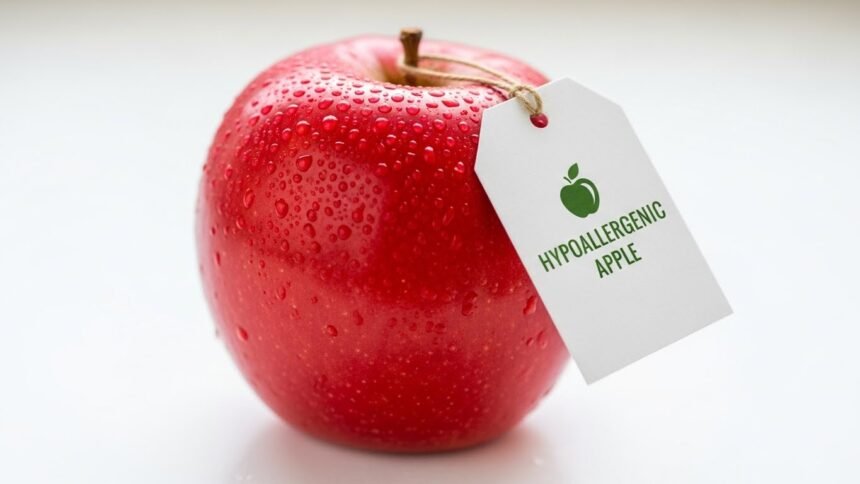
Navigating the skincare aisle when you have reactive skin often feels like walking through a minefield. One wrong ingredient, one synthetic fragrance, or one harsh acid, and your complexion can flare up in redness, irritation, or breakouts. For years, the industry relied on heavy clinical terms and synthetic compounds to promise relief. However, the latest hero in the clean beauty revolution comes from a much simpler source: the orchard.
Hypoallergenic apple extract sensitive skin solutions are rapidly gaining traction among dermatologists and estheticians alike. Derived primarily from Pyrus Malus, this botanical powerhouse offers a unique combination of gentle exfoliation, potent antioxidant protection, and deep hydration without the aggressive side effects of traditional actives. In this comprehensive guide, we will peel back the layers of apple extract to reveal why it might be the soothing secret your skincare routine has been missing.
The Science of Pyrus Malus: More Than Just a Fruit
To understand why apple extract is so effective, we must look at its chemical composition. In skincare ingredient lists, you will often see it referred to as Pyrus Malus Fruit Extract. This isn’t just apple juice splashed into a lotion; it is a concentrated form of the fruit’s most bioactive compounds.
According to Wikipedia’s classification of Malus, the apple belongs to the Rosaceae family, sharing genetic traits with other skin-soothing botanicals like roses and almonds. The extract is rich in:
- Polyphenols: Powerful antioxidants that fight oxidative stress.
- Carbohydrates: Natural sugars that act as humectants to hold moisture.
- Alpha Hydroxy Acids (AHAs): Specifically Malic Acid, which aids in cell turnover.
- Vitamins: High concentrations of Vitamin C and Vitamin E.
Why “Hypoallergenic” Matters in Skincare
The term “hypoallergenic” implies that a product is less likely to cause an allergic reaction. While the FDA notes that there is no federal definition that governs the term, in the context of high-quality formulations, it indicates ingredients selected for their high tolerance profiles.
For those with conditions identified by the Mayo Clinic as sensitive skin triggers—such as rosacea, eczema, or contact dermatitis—finding ingredients that are biologically compatible with the skin barrier is crucial. Apple extract is naturally low in sensitizing proteins compared to other fruit extracts (like citrus, which contains phototoxic compounds), making it a superior choice for reactive complexions.
The Three Pillars of Apple Extract for Sensitive Skin
Integrating hypoallergenic apple extract sensitive skin products into your regimen addresses three critical needs: exfoliation without irritation, antioxidant defense, and hydration.
1. Gentle Exfoliation via Malic Acid
Exfoliation is necessary to remove dead skin cells and prevent clogged pores, but standard AHAs like Glycolic Acid can be too small and penetrate too quickly, causing burning sensations. Apple extract contains Malic Acid, a larger molecule AHA.
Because of its larger molecular size, Malic Acid penetrates the skin slower and more evenly. This provides the glow of exfoliation without the “sting.” Healthline explains that Malic Acid is not just an exfoliator but also helps balance the skin’s pH, which is vital for maintaining a healthy moisture barrier.
2. Quercetin and Anti-Inflammation
Apples are rich in a flavonoid called Quercetin. Research available through the National Center for Biotechnology Information (NCBI) suggests that Quercetin possesses significant anti-inflammatory and antihistamine properties. For sensitive skin, this means apple extract actively works to calm redness and reduce the heat associated with irritation.
3. Humectant Properties
The sugar content in apple extract acts as a natural humectant. Similar to Glycerin or Hyaluronic Acid, these sugars attract water from the environment and bind it to the skin. According to Harvard Health Publishing, keeping the outer layer of skin (the stratum corneum) hydrated is the first line of defense against injury and irritation.
Comparative Analysis: Apple Extract vs. Standard Actives
To visualize why hypoallergenic apple extract sensitive skin formulations are superior for delicate complexions, compare the extract against common skincare standards in the table below.
| Skincare Ingredient | Primary Function | Sensitive Skin Risk Profile | The Apple Extract Advantage |
|---|---|---|---|
| Glycolic Acid | Deep Exfoliation | High: Can cause burning, redness, and barrier damage due to rapid penetration. | Apple extract (Malic Acid) offers slower, buffered exfoliation that smooths texture without stripping the lipid barrier. |
| Synthetic Fragrance | Sensory Experience | Very High: A top allergen and trigger for dermatitis. | Apple extract provides a faint, natural scent without the phthalates found in synthetic fragrances. |
| L-Ascorbic Acid | Brightening (Vit C) | Moderate/High: Low pH required for stability can sting sensitive skin. | The natural Vitamin C in apple extract is less potent but more stable and tolerable for daily use. |
| Benzoyl Peroxide | Acne Treatment | High: frequent drying, peeling, and bleaching effects. | Apple extract’s polyphenol content offers mild antibacterial benefits without dehydrating the skin. |
How to Incorporate Apple Extract into Your Routine
Even with hypoallergenic ingredients, proper application is key to maintaining skin health. The American Academy of Dermatology (AAD) recommends introducing new products slowly.
Step 1: The Patch Test
Before applying a serum or cream with apple extract to your face, apply a small amount behind your ear or on your inner wrist. Wait 24 hours to ensure no reaction occurs.
Step 2: Cleansing and Toning
Look for cleansers that utilize apple amino acids. These surfactants cleanse the skin without stripping natural oils, unlike Sodium Lauryl Sulfate (SLS). Follow with a toner containing apple fruit water for an immediate hydration boost.
Step 3: Layering
Apple extract pairs beautifully with other soothing ingredients.
- Pair with Centella Asiatica: For maximum redness reduction.
- Pair with Ceramides: To lock in the hydration provided by the apple sugars.
- Avoid: Mixing high concentrations of Retinol immediately with apple extract if you have hypersensitive skin, as the combined exfoliation might be too much initially.
Sustainability and Clean Beauty
Beyond the benefits for your face, apple extract is often a champion of sustainability. Many cosmetic suppliers utilize “upcycled” apples—using the nutrient-dense peels and pomace left over from the food and juice industry.
Resources like the Environmental Working Group (EWG) Skin Deep Database consistently rate Pyrus Malus extract as a low-hazard ingredient, making it a staple in the clean beauty movement. By choosing apple-based products, you are often supporting a supply chain that reduces food waste while treating your skin to high-quality naturals.
Identifying Quality Products
Not all apple skincare is created equal. To ensure you are getting the hypoallergenic apple extract sensitive skin benefits you seek, read the label closely. You want to see Pyrus Malus (Apple) Fruit Extract listed near the top of the ingredient deck, not buried at the bottom below preservatives.
Furthermore, cross-reference products with the National Eczema Association’s accepted product list if you suffer from severe skin conditions, to ensure the formulation is free from other hidden triggers.
Conclusion
Sensitive skin requires a delicate balance of protection and nourishment. The days of avoiding anti-aging or exfoliating products out of fear of irritation are over, thanks to the gentle power of nature. Hypoallergenic apple extract sensitive skin products bridge the gap between clinical efficacy and botanical gentleness.
With its rich profile of Malic Acid for smooth texture, Quercetin for calming inflammation, and natural sugars for hydration, apple extract offers a holistic solution for those who cannot tolerate harsh synthetics. As you curate your skincare routine, look for the Latin name Pyrus Malus and let the soothing secrets of the orchard transform your complexion.
Ready to transform your skincare routine? Check your current product labels today and consider swapping harsh acids for the gentle power of apple extract. Always consult with a board-certified dermatologist if you have persistent skin concerns.