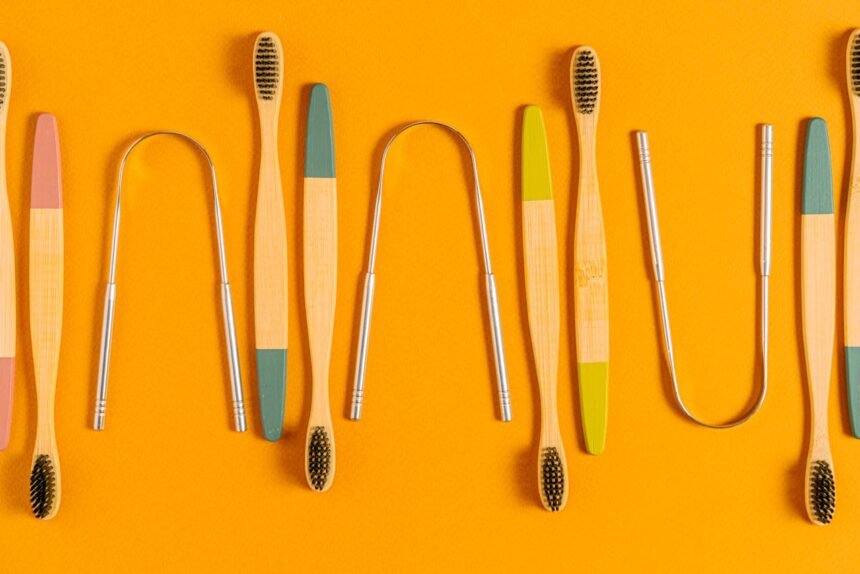
When we think of oral hygiene, we typically picture the basics: brushing twice a day, flossing (hopefully) daily, and perhaps a swish of mouthwash. However, there is a significant surface area in your mouth that often gets neglected: the tongue. If you have noticed a fuzzy texture or a lingering odour despite brushing, the missing piece of your wellness puzzle might be a tongue scraper.
While Why switching to a bamboo toothbrush is better for the environment is a fantastic step toward sustainable oral care, a toothbrush bristles are primarily designed for the smooth surfaces of teeth, not the spongy, textured surface of the tongue. This article explores the science behind tongue scraping, its roots in Ayurvedic oral care, and why it deserves a permanent spot on your bathroom sink.
Overview: What is a Tongue Scraper?
A tongue scraper is a simple device—usually U-shaped and made of plastic, copper, or stainless steel—designed to remove the build-up of bacteria, food debris, and dead cells from the surface of the tongue. While it has recently gained traction in Western wellness trends, the practice, known as Jihwa Prakshalana, has been a staple of Ayurveda for centuries.
The tongue is not a smooth surface; it is covered in tiny bumps called papillae. These papillae create ridges and valleys where debris can become trapped. Without physical removal, this trapped debris creates a coating that can lead to bad breath and oral health issues.
Symptoms and Causes: Why Your Tongue Needs Cleaning
Have you ever looked in the mirror and noticed a white coating on tongue surfaces? This is a biofilm composed of bacteria, dead cells, and food particles. If left undisturbed, this coating becomes the perfect breeding ground for anaerobic bacteria.
The Science of Bad Breath
One of the primary halitosis causes is the accumulation of these bacteria on the back of the tongue. When these bacteria break down proteins in your mouth, they release volatile sulphur compounds (VSCs). These compounds are responsible for the rotten-egg smell associated with severe bad breath. According to the NHS, cleaning your tongue is a critical step in managing persistent bad breath.
Impact on Taste
Furthermore, a thick coating on the tongue can dull your taste buds. If your tongue is coated in a biofilm, it acts as a barrier between your food and your taste receptors. By removing oral bacteria and sludge, you expose the taste buds, allowing for a richer, more authentic sensory experience. This can be particularly helpful if you are trying to improve your diet; when you can taste fresh foods better, you may be less reliant on added sugars and salt.
Benefits of Daily Tongue Scraping
Incorporating a scraper into your routine offers benefits that go beyond just fresh breath. It connects to your overall systemic health.
1. Reducing Morning Breath
We all wake up with some degree of “morning breath” because saliva production slows down while we sleep, allowing bacteria to multiply. Tongue scraping is one of the most effective morning breath remedies. By physically removing the overnight build-up immediately upon waking, you prevent re-ingesting these toxins.
2. Improving Oral Microbiome Balance
Your mouth is an ecosystem. While we often focus on killing bacteria, the goal is actually oral microbiome balance. You want to reduce the load of harmful bacteria (like Mutans streptococci) without stripping the mouth of beneficial flora. Scraping is a mechanical removal method, which differs from harsh alcohol-based mouthwashes that can disrupt the microbiome indiscriminately.
3. Enhancing Digestive Health
In holistic traditions, digestion begins in the mouth. By stimulating the tongue, you are also stimulating the production of saliva and digestive enzymes. If you are already exploring holistic digestion methods, such as How to use a castor oil pack for digestive health and detoxing, adding tongue scraping is a logical synergistic habit.
Treatment and Management: How to Use a Tongue Scraper
Using a tongue scraper is quick and easy, but technique matters to avoid irritation or the gag reflex. Here is a step-by-step guide to the proper tongue scraping technique.
- Time it right: Ideally, scrape first thing in the morning before you drink water or brush your teeth. This prevents you from swallowing the bacteria that accumulated overnight.
- Position the scraper: Stick your tongue out as far as is comfortable. Place the rounded end of the scraper at the back of your tongue.
- The Drag: Apply gentle pressure and pull the scraper forward toward the tip of your tongue. Do not press so hard that it hurts; you are cleaning, not exfoliating skin.
- Rinse and Repeat: Rinse the debris off the scraper under warm water. Repeat the scraping motion 5 to 10 times, covering the entire surface area.
- Follow up: Rinse your mouth with water, then proceed with brushing and flossing.
Dealing with the Gag Reflex
Many people avoid scraping because they have a sensitive gag reflex. Learning how to clean tongue without gagging takes patience. Start by scraping only the front and middle of the tongue. As you get used to the sensation over a few weeks, you will be able to reach further back. Exhaling through your mouth while scraping can also help suppress the reflex.
For those interested in optimising their breathing and throat health further, exploring Mouth tape for better sleep: Benefits and safety considerations or using a Can a nasal dilator improve your breathing and deep sleep quality? can complement your oral hygiene efforts by promoting nasal breathing, which keeps the mouth less dry and less prone to bacterial overgrowth.
Choosing Your Tool: Plastic vs Metal
When shopping, you will encounter various materials. The debate often centers on plastic vs metal tongue cleaners.
- Stainless Steel: Durable, easy to sterilise, and eco-friendly. Stainless steel scraper hygiene is simple—just wash with soap and water, and occasionally boil it. They generally last a lifetime.
- Copper: Copper has natural antimicrobial properties. The benefits of copper tongue scrapers lie in the metal’s ability to kill bacteria on contact (the oligodynamic effect). This makes them a favourite in Ayurvedic traditions, similar to the principles discussed in The benefits of using a copper water bottle for daily hydration.
- Plastic: Often cheaper and sometimes included on the back of toothbrushes. However, plastic is porous and can harbour bacteria over time. It is also less environmentally friendly.
Research published by the National Institutes of Health (NIH) suggests that while toothbrushes can reduce tongue coating, scrapers are significantly more effective at reducing VSCs.
Tips for Success and Common Mistakes
Even with a simple tool, there are tongue hygiene mistakes to avoid.
- Scraping too hard: This can damage the papillae and cause bleeding. The tongue is sensitive; treat it gently.
- Scraping backwards: Always pull from back to front. Going the other way pushes bacteria down the throat.
- Neglecting the scraper: Just like a toothbrush, your scraper needs cleaning. A dirty scraper reintroduces bacteria.
Integrating into a Broader Routine
Tongue scraping is just one part of a holistic wellness routine. If you are focused on detoxification or sensory health, consider how oral hygiene overlaps with other practices. For instance, if you suffer from sinus congestion, post-nasal drip can increase tongue coating. Learning How to safely use a neti pot for sinus relief and congestion can reduce the mucus that ends up on your tongue.
Furthermore, adequate nutrition plays a role in oral tissue health. While a scraper removes debris, nutrient density ensures your tongue and gums remain healthy. See The nutritional benefits of beef liver pills: A comprehensive overview for insight into how micronutrients support tissue repair.
Surprisingly, dental plaque accumulation on teeth is closely linked to the bacteria on the tongue. By reducing the bacterial load on the tongue, you reduce the translocation of these bacteria to the teeth and gums, supporting periodontal health. According to the Mayo Clinic, good oral hygiene, including tongue cleaning, is non-negotiable for preventing gum disease.
A Note on “Detox”
While the word “detox” is often overused, the mechanical removal of waste from the body is a legitimate physiological aid. Just as Everything you need to know before using a foot peel mask at home focuses on removing dead skin cells to reveal healthy tissue, tongue scraping removes dead oral cells to reveal a healthy, pink tongue. It fits seamlessly into a self-care evening or morning routine, perhaps alongside using Grounding sheets: The science behind earthing for physical wellness or applying blue light filters—see Do blue light stickers actually protect your eyes from digital strain?—to reduce systemic stress.
The Bottom Line
Using a tongue scraper is a low-effort, high-reward habit. It takes less than 30 seconds but offers immediate benefits: fresher breath, an improve sense of taste, and a cleaner mouth feel. While it does not replace brushing or flossing, it is the most effective way to remove the biofilm that toothbrushes simply move around.
Whether you choose copper or stainless steel, the key is consistency. By making this small addition to your daily regimen, you are taking a proactive step toward better oral and systemic health.
For more in-depth information on oral health standards, you can visit the American Dental Association or review studies on oral bacteria at the Journal of Periodontology. Additionally, the Cleveland Clinic offers excellent resources on the specific benefits of scraping. Always remember that if you have persistent white patches or pain on your tongue, consult a dental professional, as referenced by Hopkins Medicine.
If you are looking to further understand the science of taste and oral hygiene, the Cochrane Library provides systematic reviews on mechanical tongue cleaning, and WebMD offers a general overview for consumers. Finally, for a broader look at health routines, Healthline remains a robust source for wellness guides.