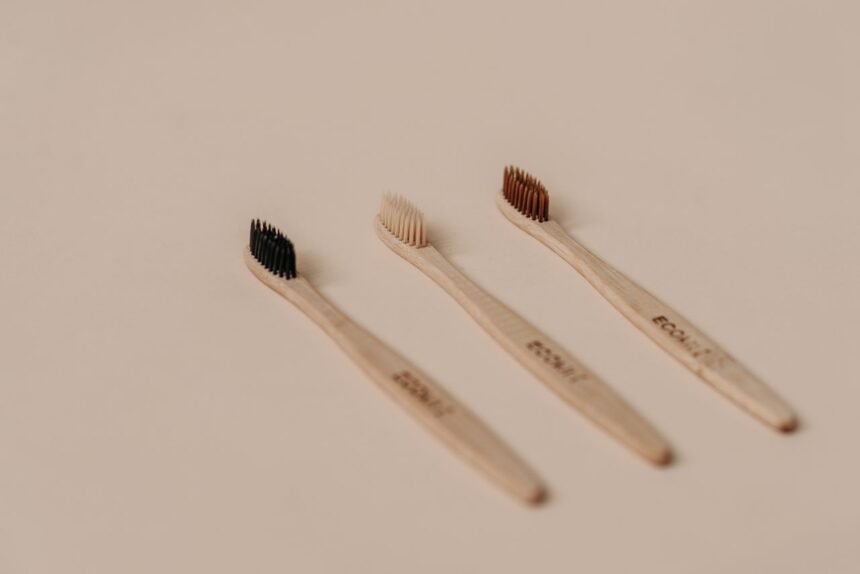
Every morning and every night, we engage in a ritual that is fundamental to our health: brushing our teeth. For decades, the tool of choice has been the bright, durable, plastic toothbrush. However, as our collective awareness of environmental issues grows, so does the scrutiny of our daily habits. The bamboo toothbrush has emerged as a symbol of this shift—a small change with potentially massive implications for the planet.
While it might seem like a minor adjustment, moving away from conventional plastic brushes toward eco-friendly dental products is a significant step in reducing your personal ecological footprint. But is bamboo truly better, or is it just a marketing trend? Here, we explore the science, the environmental impact, and the practical benefits of making the switch.
The Environmental Toll of Plastic Oral Care
To understand the solution, we must first understand the problem. The conventional plastic toothbrush is a staple of modern hygiene, yet it represents a significant contributor to global waste. It is estimated that billions of plastic toothbrushes are thrown away every year worldwide. Because conventional plastic is not biodegradable, these brushes end up in landfills or, worse, contribute to plastic pollution in oceans.
Plastic toothbrushes are typically made from polypropylene and nylon. These materials are derived from fossil fuels, meaning their production contributes to greenhouse gas emissions before they even reach your bathroom shelf. Once discarded, a single plastic toothbrush can take over 400 years to decompose. During this time, it breaks down into microplastics, which infiltrate marine ecosystems and eventually the food chain.
According to National Geographic, plastic waste is one of the most pressing environmental challenges of our time. By continuing to use disposable plastic brushes, we inadvertently contribute to a cycle of waste that outlives us by centuries. This is where the concept of plastic waste reduction becomes a personal responsibility rather than just a global policy.
Why Bamboo? The Science of Sustainability
The primary argument for the bamboo toothbrush lies in the handle. Unlike plastic, bamboo is a natural material. Specifically, most toothbrushes are made from Moso bamboo. Moso bamboo cultivation is remarkably sustainable for several reasons:
- Rapid Growth: Bamboo is the fastest-growing plant on Earth. Some species can grow up to a metre a day, making it a highly renewable resource usage.
- No Pesticides: Bamboo naturally resists pests, meaning it can be grown without the harmful chemical fertilisers and pesticides often required for other crops.
- Carbon Sequestration: Bamboo forests absorb more carbon dioxide and produce more oxygen than equivalent areas of trees, actively helping to combat climate change.
Furthermore, the World Wildlife Fund (WWF) highlights bamboo as a sustainable alternative to timber and plastic, provided it is sourced responsibly. When you choose a bamboo brush, you are opting for a biodegradable toothbrush handle that can return to the earth rather than polluting it.
Oral Health and Hygiene: Does It Work as Well?
A common concern when switching to sustainable oral care is whether the performance matches that of traditional tools. The good news is that bamboo toothbrushes are just as effective at removing plaque and preventing gum disease as their plastic counterparts.
In fact, there is evidence suggesting that the material itself offers benefits. Some studies cited by ScienceDirect discuss the natural antibacterial properties of bamboo, often referred to as “bamboo kun.” While the handle itself won’t sterilise your mouth, it resists the growth of mould and bacteria more effectively than some porous plastics, provided it is stored correctly in a dry area.
For a complete oral hygiene routine, mechanical removal of bacteria is key. Just as you might explore why using a tongue scraper should be part of your oral hygiene routine, using a bamboo brush provides the necessary friction to clean teeth effectively. Always look for a BPA-free toothbrush to ensure that no harmful chemicals are leaching into your mouth during brushing.
Integrating Sustainability into a Holistic Wellness Routine
Switching to a bamboo toothbrush is often the “gateway” habit that leads to a broader zero waste lifestyle. Once you observe how easy it is to replace one plastic item, you begin to see other opportunities for compostable bathroom swaps.
The Morning Routine
Consider your hydration. After brushing with bamboo, many people turn to sustainable hydration methods. Exploring the benefits of using a copper water bottle for daily hydration aligns perfectly with the ethos of reducing plastic bottles.
Furthermore, oral health is deeply connected to respiratory health. If you struggle with congestion, you might use a neti pot. Learning how to safely use a neti pot for sinus relief and congestion can reduce the need for single-use plastic decongestant packaging. Similarly, for those investigating sleep aids, checking can a nasal dilator improve your breathing and deep sleep quality? offers a reusable solution compared to disposable strips.
The Evening Routine
Evening routines often focus on decompressing. Teeth grinding (bruxism) is a common symptom of stress. While a toothbrush cleans your teeth, stress management preserves them. You might explore a guide to ear seeds: Do they really help with stress and anxiety? as a natural way to lower tension.
If you use mouth tape to encourage nasal breathing, which supports oral microbiome health, ensure you read about mouth tape for better sleep: Benefits and safety considerations.
Self-care extends to the whole body. While your bamboo brush cares for your teeth, you might consider how a scalp massager can promote hair health and daily relaxation or treat your feet by learning everything you need to know before using a foot peel mask at home. These small acts of care create a positive feedback loop for your health.
Even physical recovery can be eco-conscious. Instead of disposable heat patches, you might ask, does magnesium spray help with muscle recovery and better sleep? or are back cracker devices safe for spinal alignment and tension relief? as reusable alternatives for pain management.
Addressing the Bristle Dilemma
No discussion on bamboo toothbrushes is honest without addressing the bristles. While the handle is compostable, the bristles are typically made of nylon-4 or nylon-6. Currently, there is no fully biodegradable, vegan bristle option that matches the hygiene standards set by the American Dental Association (ADA).
This leads to the necessity of nylon bristles recycling. When your toothbrush reaches the end of its life (usually every three months, as recommended by the NHS), you cannot simply throw the whole thing in the compost. You must remove the bristles with pliers. The bristles go into your general waste (or specialised recycling if available), while the handle goes into your compost bin.
While not perfect, this still represents a massive reduction in plastic mass—roughly 97% less plastic than a standard brush. This reduction lowers the overall carbon footprint of plastic production associated with your hygiene routine.
Practical Tips for Switching
Making ethical consumer choices requires discernment. Here is how to select and maintain your bamboo toothbrush:
- Check the Packaging: Ensure the packaging is plastic-free. Many brands now use recycled cardboard or paper bags, reinforcing sustainable living tips.
- Keep it Dry: Because bamboo is organic, it retains moisture. After use, shake off excess water and store it upright in a well-ventilated area. Do not leave it sitting in a pool of water in a cup.
- Reuse the Handle: Before composting, consider reusing the handle. It can serve as a plant marker for your garden or a cleaning scrubber for tight corners.
For more information on the lifecycle of plastics and why avoidance is key, the Environmental Protection Agency (EPA) provides extensive data on waste management.
The Bottom Line
Switching to a bamboo toothbrush is a simple yet powerful way to align your daily actions with your values. It tackles the issue of plastic pollution at the source and supports the market for renewable resources. While the bristles remain a challenge for total biodegradability, the reduction in plastic waste is undeniable.
By integrating this switch with other wellness practices—from using grounding sheets: The science behind earthing for physical wellness to sustainable hydration—you contribute to a healthier planet and a healthier self.
For further reading on microplastics, the Plastic Soup Foundation offers excellent resources. Additionally, the United Nations Environment Programme (UNEP) provides global context on pollution, and the Mayo Clinic offers guidance on maintaining optimal oral health regardless of the tools you use.
Ultimately, the journey to a greener life is built on small, consistent steps. The bamboo toothbrush is one of the easiest and most effective steps you can take today.