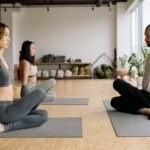
Yoga for Neck and Shoulder Tension: 7 Poses to Melt Away Stress
In our modern, hyper-connected world, neck and shoulder tension has become a ubiquitous health complaint. Whether you spend hours hunched over a laptop, cradling a smartphone, or driving long commutes, the resulting physical stress manifests as stiffness, knots, and reduced range of motion. Often colloquially referred to as “tech neck,” this condition is more than just a nuisance; it is a signal from your body that your cervical spine and upper trapezius muscles are overworked.
While over-the-counter pain relievers can mask the symptoms, addressing the root cause requires a more holistic approach. Yoga offers a scientifically backed method to not only stretch tight muscles but also re-align posture and soothe the nervous system. By integrating specific yoga benefits into your routine, you can target the deep-seated fascia and muscular fibers responsible for chronic discomfort.
This article explores the anatomy of upper body tension, the evidence behind yoga as a therapeutic tool, and provides a comprehensive, step-by-step guide to seven essential poses designed to restore mobility and comfort.
The Anatomy of Tension: Why Your Shoulders Hurt
To effectively treat neck and shoulder pain, it is helpful to understand the mechanics at play. The head of an average adult weighs between 10 to 12 pounds. However, according to research on biomechanics, for every inch your head tilts forward, the load on your neck increases significantly. This places immense strain on the cervical spine and the supporting soft tissues.
The primary muscles affected include:
- The Trapezius: A large, triangular muscle spanning the upper back and neck. It is often the first to tighten during periods of acute psychological stress.
- The Levator Scapulae: Located at the side and back of the neck, this muscle creates that familiar “stiff neck” sensation that limits your ability to turn your head.
- The Rhomboids: Situated between the shoulder blades, these muscles often become weak and overstretched due to chronic slouching.
Furthermore, the connection between the mind and body cannot be overstated. High stress levels trigger the “fight or flight” response, causing the shoulders to hike up toward the ears—a defensive posture that becomes habitual over time. Addressing this requires stress relief techniques that go beyond physical stretching.
The Science: How Yoga Alleviates Chronic Pain
Yoga is distinct from general stretching because it combines physical movement (asana) with breath control (pranayama) and mindfulness. This combination is particularly effective for pain management. A study published by the National Center for Complementary and Integrative Health (NCCIH) suggests that yoga can significantly reduce pain intensity and improve function in people with chronic pain conditions.
By engaging the parasympathetic nervous system (the “rest and digest” mode), yoga lowers cortisol levels, allowing muscles to relax rather than guard against perceived threats. This makes it an effective complementary therapy for chronic pain management.
Safety First: Precautions Before You Begin
While yoga is generally safe, the neck is a vulnerable area containing delicate vertebrae and nerves. If you have a history of cervical spine injuries, herniated discs, or severe sciatica-like symptoms radiating down your arms, consult a healthcare professional before attempting these poses.
Golden Rules for Practice:
- Never force a stretch: Sensation is good; sharp pain is a warning sign.
- Move slowly: Jerky movements can cause muscle spasms.
- Breath is key: If you cannot breathe deeply, back out of the pose slightly.
7 Yoga Poses to Release Neck and Shoulder Tension
The following sequence is designed to be accessible for beginners while offering depth for experienced practitioners. You can perform these as a standalone routine or incorporate them after a workout.
1. Neck Rolls (Sukhasana Variation)
Simple yet profound, conscious neck rolls help lubricate the cervical joints and signal the nervous system to relax. This is an excellent starting point to assess your current range of motion.
- Step 1: Sit in a comfortable cross-legged position or on a chair with your feet flat on the floor. Keep your spine tall.
- Step 2: Exhale and lower your right ear toward your right shoulder. Do not lift the shoulder to meet the ear.
- Step 3: Place your right hand gently on the left side of your head for a deeper stretch (do not pull, just add weight). Extend your left arm out to the side, hovering fingertips off the floor.
- Step 4: Hold for 5–10 breaths, then switch sides. Follow this by slowly rolling the chin to the chest and side to side.
Why it works: This isolates the upper trapezius and scales, common sites for tension headaches. For more on managing head pain, read about natural headache relief.
2. Cat-Cow Stretch (Marjaryasana-Bitilasana)
Mobilizing the entire spine helps alleviate compensatory tension in the neck. This dynamic movement warms up the back muscles and improves posture correction.
- Step 1: Start on your hands and knees in a tabletop position. Wrists should be under shoulders, knees under hips.
- Step 2: Inhale, drop your belly, lift your chin and chest, and gaze up (Cow Pose). Draw your shoulders away from your ears.
- Step 3: Exhale, round your spine toward the ceiling, tucking your chin to your chest (Cat Pose). Spread your shoulder blades wide.
- Step 4: Repeat for 10 cycles, moving with the rhythm of your breath.
See detailed mechanics at the Mayo Clinic’s guide to yoga poses.
3. Thread the Needle (Parsva Balasana)
This pose provides a gentle twist and a deep opening for the space between the shoulder blades (the rhomboids) and the upper back.
- Step 1: From tabletop, inhale and reach your right arm high toward the sky, opening your chest.
- Step 2: Exhale and slide your right arm underneath your left arm, palm facing up.
- Step 3: Lower your right shoulder and right ear to the mat. Keep your hips elevated.
- Step 4: You can walk your left hand forward for a stretch or wrap it behind your back. Hold for 1 minute, then switch sides.
4. Eagle Arms (Garudasana Arms)
You don’t need to do the full balancing pose to reap the benefits of Eagle Arms. This position spreads the scapulae (shoulder blades) apart, stretching the often-neglected muscles of the upper back.
- Step 1: Sit or stand comfortably. Extend arms straight forward.
- Step 2: Cross your right arm under your left. Bend your elbows and try to bring your palms together.
- Step 3: If palms don’t touch, press the backs of your hands together or simply hug your shoulders.
- Step 4: Lift your elbows to shoulder height and press your forearms away from your face. Breathe into the space between your shoulder blades.
This is highly effective for counteracting hours of desk work. Learn more about desk stretches for the workday.
5. Puppy Pose (Uttana Shishosana)
A cross between Child’s Pose and Downward Dog, Puppy Pose is a profound heart-opener that stretches the lats, triceps, and shoulders without the hamstring intensity of Downward Dog.
- Step 1: Start in tabletop. Keep your hips stacked directly over your knees.
- Step 2: Walk your hands forward as far as you can, allowing your chest to melt toward the floor.
- Step 3: Rest your forehead or chin on the mat. Keep your arms active, lifting elbows slightly off the ground to engage the shoulders.
- Step 4: Hold for 1–2 minutes, breathing deeply into the ribcage.
6. Cow Face Arms (Gomukhasana)
This pose addresses asymmetry in the shoulders, stretching the rotator cuff and triceps. It is common to be tighter on one side than the other.
- Step 1: Reach your right arm up to the ceiling, bend the elbow, and drop your hand down the center of your back.
- Step 2: Reach your left arm behind your back, palm facing out, and try to clasp the fingers of your right hand.
- Step 3: If your hands don’t meet, hold a yoga strap or towel between them.
- Step 4: Keep your chest open and head upright; avoid crunching the neck forward. Hold for 5–10 breaths and switch.
According to the Arthritis Foundation, maintaining range of motion through poses like this is vital for joint health.
7. Supported Fish Pose (Matsyasana Variation)
To finish, we move into a restorative yoga posture. This passive stretch reverses the forward slump of daily life, opening the chest and throat.
- Step 1: Place a yoga block or a rolled-up blanket horizontally across your mat where your shoulder blades will rest.
- Step 2: Lie back over the prop so your chest is lifted. Your head should rest on the floor or a second pillow if the neck feels strained.
- Step 3: Open your arms to a “T” shape or cactus shape.
- Step 4: Close your eyes and rest here for 3–5 minutes.
Beyond the Mat: Lifestyle Adjustments
While yoga is a powerful intervention, preventing tension requires looking at your daily habits. Ergonomics play a massive role in musculoskeletal health. The Occupational Safety and Health Administration (OSHA) provides guidelines for setting up a workstation that minimizes strain on the neck and back.
Consider these adjustments:
- Monitor Height: The top of your screen should be at or slightly below eye level.
- Hydration: The discs in your spine require water to remain spongy and shock-absorbing.
- Mindfulness: Practice mindfulness meditation to become aware of when you are tensing your shoulders during stressful tasks.
When to See a Doctor
Neck pain is usually benign, but it can indicate serious conditions. According to Johns Hopkins Medicine, you should seek immediate medical attention if your neck pain is accompanied by:
- Numbness or tingling in the hands or fingers.
- Loss of strength in the arms.
- Shooting pain down the shoulder or arm.
- Fever or headache accompanied by neck stiffness (potential signs of meningitis).
Research published in Nature Scientific Reports highlights that early intervention in musculoskeletal disorders prevents the transition from acute to chronic pain.
The Bottom Line
Integrating yoga into your routine doesn’t require an hour-long class every day. Even 10 minutes of targeted stretching can hydrate the connective tissues, improve circulation, and signal your nervous system to downregulate stress. Consistency is more important than intensity. By combining these poses with healthy sleep habits and ergonomic awareness, you can reclaim a pain-free range of motion.
Start slowly, listen to your body, and remember that releasing tension is a process of unlearning physical habits as much as it is about stretching muscles.