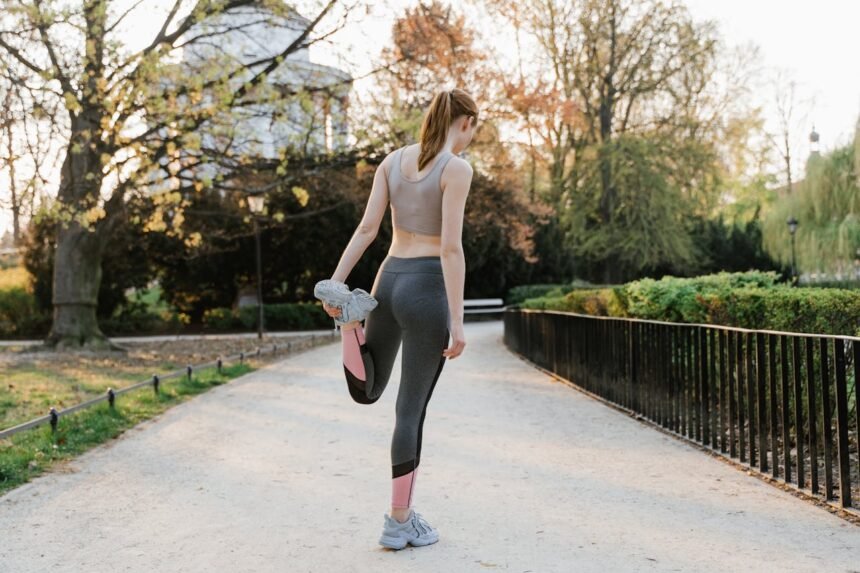
For many runners, the “warm-up” is often a hasty afterthought—a few seconds of touching toes or a quick calf stretch against a curb before hitting the pavement. However, as any seasoned athlete or physical therapist will tell you, the quality of your pre-run routine dictates the quality of your run. This is where a targeted yoga for runners warm-up becomes essential.
Running is a repetitive, high-impact activity that occurs primarily in the sagittal plane (moving forward). While it strengthens the cardiovascular system and builds muscular endurance, it can also lead to significant tightness in the hips, hamstrings, and calves. Over time, this imbalance can result in common overuse injuries.
Integrating yoga into your pre-run ritual isn’t about becoming flexible enough to do the splits; it is about functional mobility, activating the neuromuscular system, and preparing your joints for impact. By replacing static stretching with dynamic yoga flows, you can increase blood flow, improve range of motion, and mentally prepare for the miles ahead.
In this article, we explore the physiological benefits of yoga for runners and provide a medically-backed, 10-minute dynamic routine designed to optimize your performance.
Why Runners Need Dynamic Yoga
There is a persistent myth in the fitness world that you should sit and hold deep stretches before running. However, current research suggests that static stretching on “cold” muscles may actually decrease muscle strength and power output temporarily. Instead, the gold standard for preparation is warm-up exercises centered on dynamic movement.
Dynamic yoga involves moving through poses with the breath, rather than holding them for extended periods. This approach serves several physiological functions:
- Increases Core Temperature: Gentle movement raises body temperature, allowing muscle tissue to become more pliable and resistant to tearing.
- Lubricates Joints: Movement stimulates the production of synovial fluid, which nourishes the cartilage and reduces friction in the knees, hips, and ankles.
- Activates the Nervous System: Balance-focused poses wake up proprioceptors (sensory receptors), improving stability and reaction time on uneven terrain.
According to a study published in the National Library of Medicine (PubMed), dynamic stretching serves as a superior warm-up protocol compared to static stretching for endurance performance.
The Physiology of Running: Key Areas to Target
To create an effective yoga sequence, we must understand the biomechanics of running. The running gait cycle requires extension of the hip, stability in the pelvis, and mobility in the ankles. When these areas are restricted, the body compensates, often leading to issues like IT band syndrome or plantar fasciitis.
A comprehensive yoga warm-up should target the following:
- Hip Flexors: These muscles shorten during sitting and running. Tight hip flexors inhibit glute activation, forcing the hamstrings to overwork.
- Glutes: The powerhouse of your stride. Activation here protects the lower back and knees.
- Thoracic Spine: Upper body mobility is crucial for efficient arm swing and breathing capacity.
- Calves and Achilles: These absorb the brunt of the impact upon landing.
For a deeper dive into joint health, you can read more about synovial fluid dynamics and how movement preserves cartilage.
8 Essential Yoga Poses for Your Pre-Run Routine
Perform this sequence fluidly. Aim to move with your breath—inhaling to expand or lift, and exhaling to contract or deepen. Do not hold these poses for more than 3 to 5 breaths; keep the energy moving.
1. Walking Downward-Facing Dog (Adho Mukha Svanasana)
This is the quintessential pose for the posterior chain. It lengthens the hamstrings, calves, and Achilles tendon while strengthening the shoulders.
How to do it: Start on hands and knees. Lift your hips high and back. Keep a micro-bend in your knees to protect your lower back. Pedal your feet out (“walking the dog”) by pressing one heel down while bending the opposite knee. Switch back and forth rhythmically.
Why it works: It gently wakes up the entire back body. Learn more about the specific benefits of Downward-Facing Dog.
2. Dynamic Low Lunge (Anjaneyasana Variation)
This pose targets the hip flexors (psoas) and quadriceps, which are notoriously tight in runners.
How to do it: Step your right foot forward between your hands. Lower your back knee to the ground (use padding if sensitive). Inhale to lift your chest and arms; exhale to gently shift hips back and straighten the front leg (half splits). Flow between the lunge and the half-split 5 times.
Expert Tip: Keep your core engaged to avoid dumping weight into your lower back. The American Council on Exercise (ACE) highlights hip mobility as a key factor in preventing lower back pain in runners.
3. Cat-Cow (Marjaryasana-Bitilasana)
Running involves a rigid torso for stability, but your spine still needs to move to absorb shock. This flow warms up the spinal column and coordinates breath.
How to do it: On hands and knees, inhale to drop the belly and lift the gaze (Cow). Exhale to round the spine and tuck the chin (Cat). Repeat for 1 minute.
This movement is excellent for alleviating stiffness associated with lower back pain before you start your run.
4. High Lunge with Thoracic Twist
Thoracic mobility aids respiration and arm swing efficiency. This pose combines leg strength with spinal rotation.
How to do it: Step the right foot forward into a high lunge (back knee lifted). Plant the left hand on the ground (or a block). Inhale and reach the right arm to the sky, twisting from the waist. Hold for one breath, release, and switch sides.
Research from the Mayo Clinic emphasizes that rotation and flexibility exercises help improve overall physical performance.
5. Standing Forward Fold (Uttanasana) with Ragdoll Arms
A gentle release for the lower back and hamstrings. Because gravity does the work, it is less intense than seated folds.
How to do it: Stand with feet hip-width apart. Hinge at the hips to fold forward. Bend your knees generously so your chest rests on your thighs. Grab opposite elbows and sway gently side to side.
This pose is a staple in flexibility exercises for athletes with tight posterior chains.
6. Dynamic Pigeon (Figure Four)
Traditional Pigeon pose can be too intense for a warm-up. The standing or dynamic variation activates the glutes and opens the outer hips safely.
How to do it: Stand tall. Cross your right ankle over your left knee (making a “4” shape). Sit your hips back as if sitting in a chair. Pulse gently up and down to activate the glute. Switch legs.
Tightness in the piriformis muscle can compress the sciatic nerve. According to the Journal of Orthopaedic & Sports Physical Therapy, mobilizing the hip rotators is crucial for preventing sciatica-like symptoms in runners.
7. Tree Pose (Vrksasana)
Running is essentially a series of one-legged hops. Balance is non-negotiable. Tree pose wakes up the stabilizer muscles in the ankles and feet.
How to do it: Shift weight to your left foot. Place your right foot on your left calf or inner thigh (avoid the knee joint). Press palms together. Hold for 5 breaths to engage ankle strengthening mechanics.
8. Sun Salutation A (Surya Namaskar A)
If you are short on time, 3 rounds of Sun Salutations provide a full-body warm-up, elevating heart rate and moving every major joint.
How to do it: Mountain pose > Upward Hands > Forward Fold > Half Lift > Plank > Chaturanga (or knees-chest-chin) > Cobra/Upward Dog > Downward Dog > Step forward > Mountain pose.
Studies in the International Journal of Yoga confirm that Sun Salutations improve cardiorespiratory fitness and muscle strength.

Injury Prevention: The Long-Term Benefits
Incorporating a yoga warm-up is a proactive measure against the most common running ailments. By addressing muscular imbalances before they become injuries, you ensure longevity in the sport.
- Runner’s Knee (Patellofemoral Pain Syndrome): Often caused by tight quadriceps and weak hips. Yoga lunges and balances address both.
- Shin Splints: Often result from tight calves and poor ankle mobility. Downward Dog and toe-sitting poses help alleviate tension here.
- Plantar Fasciitis: Stretching the calves and the fascia of the foot (via toe tucks) can reduce the strain on the plantar fascia.
Furthermore, yoga teaches mindful running. By connecting with your breath during the warm-up, you are more likely to maintain a rhythmic breathing pattern during your run, which delays fatigue.
Tips for Success
To get the most out of your yoga for runners warm up, adhere to these guidelines:
- Timing: Perform this routine 10 to 15 minutes before your run.
- Don’t Overstretch: You are not trying to increase your maximum flexibility here; you are trying to mobilize. Save deep static stretching for your post-run cool-down.
- Listen to Your Body: If something hurts (sharp pain), stop. Discomfort is different from pain.
- Consistency: Doing this routine once won’t change much. Doing it before every run changes everything.
For additional guidance on safety, the Cleveland Clinic offers excellent resources on recognizing the difference between good pain (exertion) and bad pain (injury).
The Mental Edge
Beyond the physical, yoga prepares the mind. Running requires mental fortitude, especially during long distances or speed intervals. The focus required to hold a balance pose or coordinate breath with movement centers the mind, reducing pre-race anxiety or general stress.
Techniques like Pranayama (breath control) can increase lung capacity. Harvard Health notes that mindfulness practices, including yoga, significantly reduce stress markers, allowing for a more relaxed and efficient run.
If you struggle with stability, consider incorporating specific balance training into your cross-training days to supplement your warm-ups.
The Bottom Line
A “yoga for runners warm up” is not about twisting yourself into a pretzel; it is a strategic, evidence-based approach to preparing your body for the high impact of running. By shifting from static stretching to dynamic yoga flows, you activate the necessary muscle groups, lubricate your joints, and sharpen your mental focus.
Remember that running is a repetitive motion that tightens the body, while yoga is an expansive practice that opens it. Combining the two creates a balanced athlete capable of running faster, longer, and pain-free. Whether you are training for a 5K or a marathon, taking 10 minutes to flow before you go is one of the best investments you can make in your running health.
For more information on holistic fitness, explore the American College of Sports Medicine guidelines on physical activity.
Always consult with a healthcare professional before starting a new exercise regimen, especially if you have pre-existing injuries.