As the golden hues of autumn give way to the stark beauty of winter, our daily routines shift. We trade t-shirts for heavy coats and outdoor picnics for indoor gatherings. However, this seasonal transition also heralds the arrival of cold and flu season. With the drop in temperature and increased time spent indoors, our bodies face a higher susceptibility to viruses and infections. While proper hygiene and vaccinations are the first line of defense, nutrition plays a pivotal role in fortification. Incorporating immune-boosting foods for winter into your diet is not just a trend; it is a scientific strategy to maintain wellness during the darker months.
This comprehensive guide delves into the nutritional powerhouses that can help sustain your immune system, ensuring you stay vibrant and healthy even when the weather outside is frightful.
The Science of Immunity and Nutrition
Your immune system is not a single entity but a complex network of cells, tissues, and organs that work together to defend against germs. According to the Harvard T.H. Chan School of Public Health, malnourishment is the most common cause of immunodeficiency worldwide. To function optimally, this system requires a steady intake of specific micronutrients.
During winter, two factors work against us: the lack of sunlight (reducing Vitamin D production) and a tendency to crave comfort foods that are often high in sugar and low in nutrient density. By shifting our focus to whole, nutrient-dense foods, we provide the fuel our white blood cells need to combat pathogens effectively.
1. Vitamin C: Beyond the Orange
When we think of immunity, Vitamin C is often the first nutrient that comes to mind. It acts as a powerful antioxidant, protecting cells from harmful free radicals. While oranges are the poster child for this vitamin, several winter-appropriate foods pack an even bigger punch.
The Red Bell Pepper
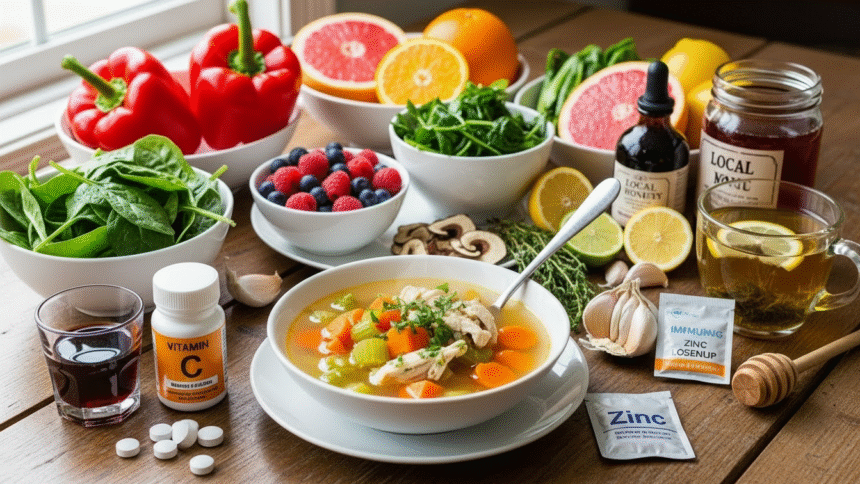
Surprisingly, ounce for ounce, red bell peppers contain almost 3 times as much Vitamin C as a Florida orange. They are also a rich source of beta carotene. As noted by the National Institutes of Health (NIH), Vitamin C stimulates the production of white blood cells, which are key to fighting infection.
Citrus Fruits
Grapefruits, clementines, tangerines, and lemons remain essential staples. They are in peak season during winter, meaning their nutrient content is at its highest. Adding a squeeze of lemon to your tea or eating a grapefruit with breakfast provides a significant portion of your daily recommended intake.
Cruciferous Vegetables
Broccoli and Brussels sprouts are winter warriors. Broccoli is supercharged with vitamins A, C, and E, as well as fiber and many other antioxidants. The key to keeping its power intact is to cook it as little as possible—or better yet, steam it.

2. The Gut-Immune Connection: Probiotics and Prebiotics
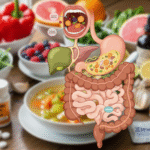
It is estimated that nearly 70% of your immune system resides in your gut. Therefore, maintaining a healthy microbiome is synonymous with maintaining a strong immune system. The Johns Hopkins Medicine research team emphasizes that a huge proportion of the immune system is actually in the gastrointestinal tract.
Fermented Foods
- Yogurt and Kefir: Look for products with “live and active cultures.” These provide probiotics (beneficial bacteria) that reinforce the gut barrier against pathogens.
- Sauerkraut and Kimchi: These fermented cabbage dishes are rich in immune-boosting vitamins and probiotics. They are excellent side dishes for hearty winter stews.
- Miso: This fermented soybean paste is perfect for warm soups and contains beneficial bacteria and enzymes.
3. The Sunshine Vitamin Substitute: Vitamin D Sources
Vitamin D deficiency is rampant in the winter due to shorter days and the angle of the sun. Unlike other vitamins, D functions like a hormone, and every cell in the body has a receptor for it. The Cleveland Clinic highlights that low levels of Vitamin D are associated with increased susceptibility to infection.
Since getting it from the sun is difficult in winter, turn to these foods:
- Fatty Fish: Salmon, mackerel, and tuna are exceptional sources.
- Mushrooms: Specifically, mushrooms grown under UV light can provide a plant-based source of Vitamin D.
- Fortified Foods: Many dairy products, plant milks, and cereals are fortified with Vitamin D to help bridge the gap.
4. Zinc and Selenium: The Trace Mineral Defenders
While we need them in smaller quantities, trace minerals are vital for immune cell development and communication.
Zinc-Rich Foods
Zinc helps the immune system fight off invading bacteria and viruses. The body also needs zinc to make proteins and DNA.
- Shellfish: Oysters, crab, and lobster.
- Legumes: Chickpeas, lentils, and beans.
- Seeds: Pumpkin and sesame seeds. According to the Mayo Clinic, zinc lozenges or syrup may reduce the length of a cold if taken within 24 hours of symptoms appearing, but getting it from food is best for daily maintenance.
Selenium Sources
Selenium is a potent antioxidant. Brazil nuts are the most concentrated food source; just two nuts can provide your daily requirement.
5. Anti-Inflammatory Roots and Spices
Winter cooking naturally lends itself to warming spices, which serve a dual purpose of flavor and function.
Garlic
Found in almost every cuisine in the world, garlic is a must-have for your health. Early civilizations recognized its value in fighting infections. The National Center for Complementary and Integrative Health (NCCIH) suggests that garlic’s immune-boosting properties come from a heavy concentration of sulfur-containing compounds, such as allicin.
Ginger
Ginger is another ingredient many turn to after getting sick. Ginger may help decrease inflammation, which can help reduce a sore throat and other inflammatory illnesses. It may also help with nausea.
Turmeric
This bright yellow spice, often used in curries, contains curcumin. Curcumin shows promise as an immune booster and an antiviral. Research published by the National Library of Medicine indicates that curcumin modulates the activation of T cells, B cells, and other essential immune factors.
Nutrient Profile of Top Winter Superfoods
To help you plan your grocery list, here is a comparison of key winter foods and their primary immune benefits.
| Food Item | Primary Immune Nutrient | Key Benefit | Suggested Winter Serving |
|---|---|---|---|
| Red Bell Pepper | Vitamin C (High Concentration) | Stimulates white blood cell production. | Sliced raw in hummus or roasted in fajitas. |
| Salmon | Vitamin D & Omega-3s | Reduces inflammation and regulates immune response. | Baked with lemon and dill. |
| Yogurt (Greek) | Probiotics | Strengthens the gut barrier against pathogens. | Breakfast parfaits or as a sour cream substitute in soup. |
| Garlic | Allicin (Sulfur compounds) | Antibacterial and antiviral properties. | Minced fresh into salad dressings or added to stews. |
| Almonds | Vitamin E | Protects cells from oxidative stress (antioxidant). | A handful as a snack or chopped over oatmeal. |
| Spinach | Vitamin A, C & Beta Carotene | Increases the infection-fighting ability of immune cells. | Sautéed lightly to retain nutrients. |
Hydration: The Forgotten Winter Nutrient
We often associate dehydration with summer sweat, but winter air is dry, and indoor heating saps moisture from our bodies. Mucous membranes in our nose and lungs need moisture to trap viruses effectively. The Centers for Disease Control and Prevention (CDC) reminds us that water is essential for regulating body temperature and keeping tissues healthy. Aim for herbal teas, warm lemon water, and broths to keep your fluid intake high when cold water feels unappealing.
Lifestyle Factors: Sleep and Stress
While immune-boosting foods for winter are critical, they cannot work in isolation. A diet rich in vegetables will not fully compensate for chronic sleep deprivation or high stress.
- Sleep: During sleep, your immune system releases proteins called cytokines, some of which help promote sleep. Certain cytokines need to increase when you have an infection or inflammation. The Sleep Foundation states that sleep deprivation may decrease production of these protective cytokines.
- Stress: Chronic stress produces cortisol, which can suppress the effectiveness of the immune system. Techniques such as meditation, reading, or gentle indoor exercise are vital accompaniments to your nutrition plan.
Conclusion
Navigating the colder months requires a proactive approach to health. By integrating these immune-boosting foods for winter—from the Vitamin C-rich citrus and bell peppers to the gut-healing probiotics of yogurt and sauerkraut—you provide your body with the armor it needs to fend off seasonal ailments. Remember, consistency is key. A single meal won’t cure the flu, but a winter-long habit of nutrient-dense eating can significantly lower your risk of falling ill.
Start small today: add a handful of spinach to your soup, snack on some almonds, or swap your afternoon soda for a turmeric tea. Your immune system will thank you all season long.
For more guidelines on maintaining a healthy diet, refer to the USDA MyPlate initiative or consult the World Health Organization (WHO) for global standards on healthy eating.