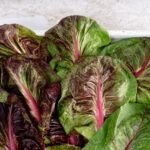
Swiss chard is often the unsung hero of the leafy green family. While spinach and kale frequently dominate the health food conversation, Swiss chard offers a unique nutritional profile and a milder, sweeter flavor that makes it incredibly versatile in the kitchen. Botanically known as Beta vulgaris, it actually belongs to the same family as beets and spinach. However, unlike beets, chard is cultivated for its large, tender leaves and fleshy stalks rather than its roots. Incorporating this vegetable into your diet is an excellent strategy for anyone looking to diversity their intake of nutrition-dense vegetables.
In this article, we will explore the science-backed health benefits of Swiss chard, provide tips on how to select and prepare it, and present five delicious, chef-tested recipes that make healthy eating enjoyable. Whether you are looking to manage weight, improve digestion, or simply add more color to your plate, these recipes are designed to fit seamlessly into a balanced lifestyle.
The Impressive Nutritional Profile of Swiss Chard
Before diving into the culinary applications, it is essential to understand why health professionals often classify Swiss chard as a superfood. It is low in calories but dense in vitamins, minerals, and powerful plant compounds.
Vitamin K and Bone Health
One of the most standout features of Swiss chard is its exceptional Vitamin K content. A single cup of cooked chard provides over 700% of the recommended daily intake (RDI). Vitamin K is critical for blood clotting and, perhaps more importantly for long-term health, bone metabolism. According to the National Institutes of Health (NIH), adequate Vitamin K intake modifies bone matrix proteins, improving calcium absorption and potentially reducing urinary excretion of calcium. For those concerned with osteoporosis, pairing chard with other bone health essentials is a proactive dietary choice.
Antioxidants and Disease Prevention
Swiss chard is rich in antioxidants, including beta-carotene, alpha-carotene, lutein, and zeaxanthin. It also contains betalains, the reddish-purple pigments also found in beets, which have been shown in studies referenced by PubMed to possess strong anti-inflammatory and detoxification properties. These antioxidants combat oxidative stress in the body, which is linked to chronic diseases such as heart disease and cancer.
Blood Sugar Regulation
Fiber is a crucial component of metabolic health. Chard is high in fiber and also contains syringic acid, a compound that has garnered attention for its potential to help regulate blood sugar levels. By inhibiting the activity of alpha-glucosidase (an enzyme that breaks down carbohydrates), syringic acid may help prevent rapid spikes in blood sugar. This makes chard a valuable addition to a diet focused on blood sugar management.
Selection, Preparation, and Safety
Choosing the Best Bunches
When shopping, look for leaves that are vibrant and crisp. Avoid bunches with yellowing or wilted leaves, or stalks that have brown spots. The FDA recommends washing all fresh produce thoroughly under running water before preparation to remove dirt and bacteria.
The Oxalate Consideration
Like spinach and beet greens, Swiss chard contains oxalates. For the vast majority of people, this is not an issue. However, individuals prone to calcium oxalate kidney stones may need to moderate their intake or cook the greens to reduce oxalate levels. The National Kidney Foundation suggests that drinking water and pairing oxalate-rich foods with calcium can help mitigate stone formation.
5 Recipes to revitalise Your Meals
These recipes range from quick sides to substantial mains, ensuring you have options for every meal of the day.
1. Garlicky Sautéed Swiss Chard
This is the gold standard for preparing chard. It is quick, preserves the vibrant color of the stems, and utilizes healthy fats to aid nutrient absorption.
Ingredients:
- 1 large bunch Swiss chard
- 2 tbsp extra virgin olive oil
- 3 cloves garlic, minced
- 1 tbsp lemon juice
- Red pepper flakes (optional)
Instructions:
- Separate the stems from the leaves. Chop the stems into 1-inch pieces and roughly chop the leaves.
- Heat the olive oil in a large skillet over medium heat. Olive oil is a staple in healthy fats guides due to its cardiovascular benefits.
- Add the stems first, sautéing for 4-5 minutes until they begin to soften.
- Add the garlic and red pepper flakes, cooking for just 1 minute until fragrant. According to the National Center for Complementary and Integrative Health (NCCIH), garlic may have beneficial effects on blood pressure and cholesterol.
- Toss in the leaves and cook until wilted (about 3 minutes). Finish with fresh lemon juice and serve immediately.
2. Hearty White Bean and Chard Soup
This soup combines the protein and fiber of beans with the micronutrients of chard, creating a filling meal that supports digestive health.
Ingredients:
- 1 bunch Swiss chard, chopped
- 2 cans Cannellini beans, rinsed
- 1 onion, diced
- 2 carrots, sliced
- 4 cups vegetable broth
- 1 tsp dried thyme
Instructions:
- Sauté onion and carrots in a large pot until soft.
- Add the vegetable broth, thyme, and beans. Bring to a boil, then reduce heat and simmer for 15 minutes.
- Fiber is essential for gut health; the Mayo Clinic notes that high-fiber diets help normalize bowel movements.
- Stir in the chopped chard and cook for an additional 5 minutes until tender.
- Serve hot with a slice of whole-grain bread for a complete amino acid profile, perfect for those exploring plant-based protein sources.
3. Mediterranean Quinoa and Chard Salad
A cold salad option that holds up well for meal prep. The combination of Vitamin C from the lemon dressing helps absorb the non-heme iron found in the chard and quinoa.
Ingredients:
- 1 cup quinoa, cooked and cooled
- 2 cups raw baby Swiss chard, shredded
- 1/2 cucumber, diced
- 1/4 cup feta cheese
- 1/4 cup Kalamata olives
- Dressing: Olive oil, lemon juice, oregano
Instructions:
- Cook quinoa according to package directions and let it cool. Quinoa is a complete protein, making it one of the best meal planning tips for vegetarians.
- In a large bowl, massage the shredded chard with a teaspoon of olive oil to soften the leaves.
- Combine the chard, quinoa, cucumber, feta, and olives.
- Whisk the dressing ingredients and toss well.
- This dish is rich in antioxidants and healthy fats, adhering to the principles of the American Heart Association regarding heart-healthy eating patterns.
4. Swiss Chard and Goat Cheese Frittata
Eggs provide high-quality protein and choline, while chard adds bulk and nutrients without extra calories. This dish serves as an excellent low-carb dinner idea or a savory breakfast.
Ingredients:
- 6 large eggs
- 1 bunch Swiss chard, stems removed and chopped
- 1/2 onion, sliced
- 2 oz goat cheese, crumbled
- 1 tbsp butter or oil
Instructions:
- Preheat your oven broiler.
- In an oven-safe skillet, sauté onion and chard until the moisture evaporates. Removing moisture is key to a good frittata texture.
- Whisk eggs with a pinch of salt and pepper. Pour over the vegetables.
- Cook on the stovetop for 3-4 minutes until the edges set.
- Sprinkle goat cheese on top and transfer to the oven. Broil for 3-5 minutes until puffy and golden.
- Eggs are a nutrient-dense food, providing essential nutrients that act as immune system boosters when paired with vitamin-rich greens.
5. Lemon-Herb Chard Wrapped Halibut
Using chard leaves as a wrapper steams the fish gently, keeping it moist while infusing flavor. This technique is elegant enough for guests but simple enough for a weeknight.
Ingredients:
- 4 large Swiss chard leaves (stems removed)
- 4 halibut fillets (or other white fish)
- 1 lemon, sliced
- Fresh dill and parsley
- Salt and pepper
Instructions:
- Blanch the large chard leaves in boiling water for 30 seconds, then plunge into ice water. Pat dry.
- Season the halibut with salt, pepper, and herbs.
- Place a piece of fish and a lemon slice in the center of each leaf. Wrap the leaf around the fish like a burrito.
- Place the packets seam-side down in a baking dish. Bake at 375°F (190°C) for 15-20 minutes.
- Fish is a primary source of heme iron and omega-3s. The CDC highlights the importance of iron for energy levels. Pairing fish with leafy greens creates a meal rich in anti-inflammatory foods.
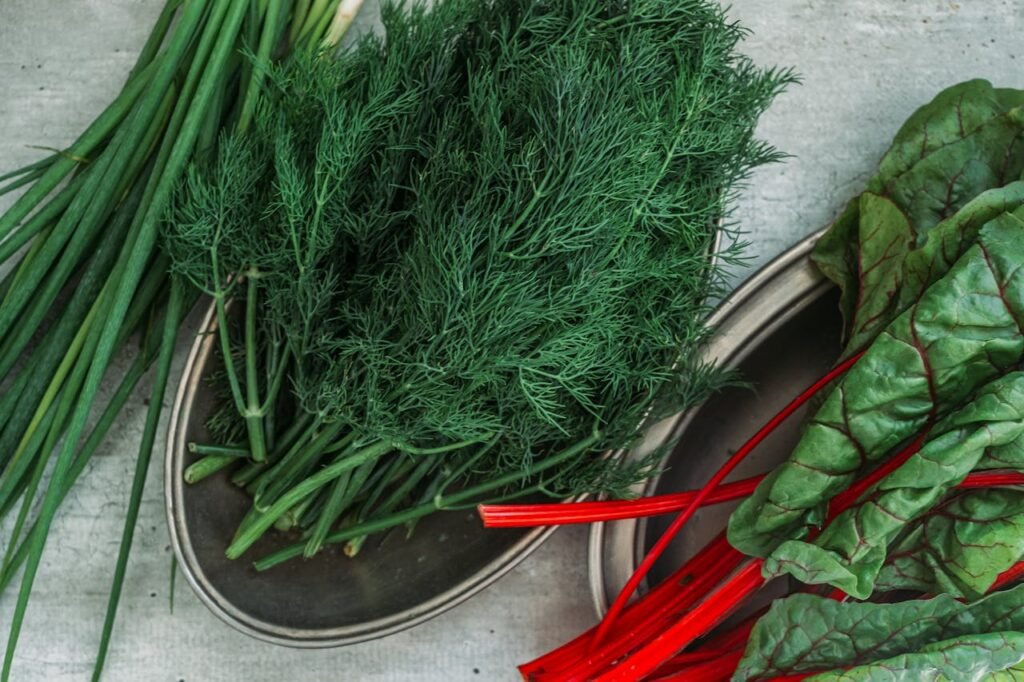
Maximizing Nutrient Retention
How you cook Swiss chard matters. While boiling is common, it can cause water-soluble vitamins like Vitamin C and B-vitamins to leach out into the water. Steaming or sautéing (as seen in the recipes above) are generally preferred methods to retain the maximum nutritional value. According to the Harvard T.H. Chan School of Public Health, eating a variety of preparation methods—some raw, some cooked—ensures you get a broad spectrum of nutrients.
Furthermore, because Vitamin K and Vitamin A are fat-soluble, eating chard with a source of dietary fat (like olive oil, avocado, or nuts) significantly increases the absorption of these critical micronutrients. This synergy is why we always recommend dressing your greens or cooking them in healthy oils.
Takeaway
Swiss chard is a versatile, nutrient-dense vegetable that deserves a regular spot in your rotation. From its high levels of Vitamin K and magnesium to its antioxidant properties, the health benefits are extensive. By incorporating chard into soups, sautés, salads, and egg dishes, you can easily boost your intake of vital nutrients. Remember to wash your greens thoroughly and experiment with different cooking methods to find the textures and flavors you enjoy most. For more inspiration on building a healthy kitchen, check out our guide to clean eating essentials to continue your wellness journey.