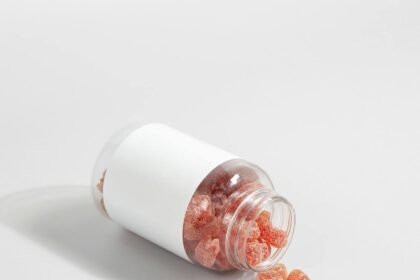
As the colder months roll in across the UK, parents often find themselves bracing for the inevitable season of sniffles, coughs, and colds. In the search for natural remedies to support their little ones’ immune systems, elderberry for kids has surged in popularity. From purple-stained syrups to chewable gummies, this ancient herbal remedy is everywhere. But is it safe? Does it actually work? And what do British parents need to know before offering it to their children?
This comprehensive guide explores everything you need to know about Sambucus nigra (black elderberry), its potential benefits, safety concerns, and the best ways to use it responsibly.
What is Elderberry?
Elderberry refers to the dark purple berry of the European elder tree (Sambucus nigra). Historically, it has been a staple in folk medicine for centuries, used to treat everything from influenza to nerve pain. The berries are rich in antioxidants, specifically anthocyanins, which give them their deep colour and are thought to help fight inflammation.
Today, you are most likely to encounter elderberry as a dietary supplement. It is widely available in health food shops and pharmacies across the UK in various forms, including liquids, gummies, and lozenges, often marketed as a natural cold remedy for children.
Is Elderberry Safe for Children?
This is the most pressing question for parents. The short answer is: generally, yes, but with significant caveats.
Commercial elderberry products designed specifically for children are usually considered safe when used for short periods. However, the NHS advises caution with herbal medicines, noting that they are not regulated in the same strict way as pharmaceutical drugs. This means the strength and quality can vary between brands.
> Crucial Safety Warning:* Raw elderberries, as well as the leaves and bark of the plant, are **toxic**. They contain substances that produce cyanide, which can cause severe nausea, vomiting, and diarrhoea. *Never give a child raw elderberries. Always opt for professionally prepared commercial products where the toxins have been removed during processing.
Age Recommendations
Most paediatricians and manufacturers suggest that elderberry products should not be given to babies or very young toddlers. A common rule of thumb is to avoid these supplements for children under the age of 3 or 4 unless specifically advised by a healthcare professional. For elderberry syrup for toddlers younger than this, always consult your GP first.

Potential Benefits of Elderberry for Kids
While scientific research on children is still limited, some studies on adults suggest that elderberry may have antiviral properties. Here is what the current evidence says regarding benefits of elderberry for kids:
1. Reducing Cold and Flu Duration
Some small-scale studies have indicated that taking elderberry syrup within 48 hours of symptom onset may shorten the duration of the flu by a few days. For parents of a miserable, snotty pre-schooler, reducing a cold’s length even by a day can feel like a victory.
2. Immune System Support
Elderberries are packed with Vitamin C and dietary fibre. Manufacturers often fortify liquid elderberry for children* with added zinc and Vitamin C, creating a potent mix intended to function as an *immune system booster for kids.
3. Antioxidant Power
The high antioxidant content helps combat oxidative stress in the body. While a healthy diet is the best source of antioxidants, supplements can provide a concentrated dose during times of illness.
Forms of Elderberry: Syrups vs. Gummies
Choosing the best elderberry supplement for kids depends on your child’s age and preferences. Here is a breakdown of the common forms:
Elderberry Syrup: The most traditional form. It is easy to swallow and often absorbed quickly. However, be mindful of the sugar content, as some brands use high levels of glucose or honey to mask the tart taste. *Note: Honey should never be given to children under 1 year old due to botulism risk.
Elderberry Gummies:** These are incredibly popular because they taste like sweets. The downside is that they can be *too* tasty, leading to a risk of overconsumption if a child gets hold of the bottle. *Elderberry gummies for kids UK wide are often lower in potency than syrups.
* Lozenges: Better for older children (usually 6+) who can suck on them without a choking risk. Good for soothing sore throats.
Dosage and Usage Guidelines
There is no standard medical elderberry dosage for kids. However, reputable UK brands will have clear dosing instructions on the packaging based on age.
* For Daily Maintenance: Some parents give a lower dose daily during winter as a preventative measure.
* For Active Illness: The dose is often increased (e.g., twice daily) when a child shows the first signs of a sniffle.
Always follow the manufacturer’s instructions. Do not assume that