Finding a nutritious, crunchy snack that fits into a balanced diet can sometimes feel like a challenge. If you are looking for a versatile ingredient to boost your meals, pepitas might be exactly what you need.
These tiny green powerhouses are packed with essential nutrients, healthy fats, and plant-based protein. Let us explore the nutritional benefits of pepitas seeds and how they can support your overall wellbeing.
What Are Pepitas?
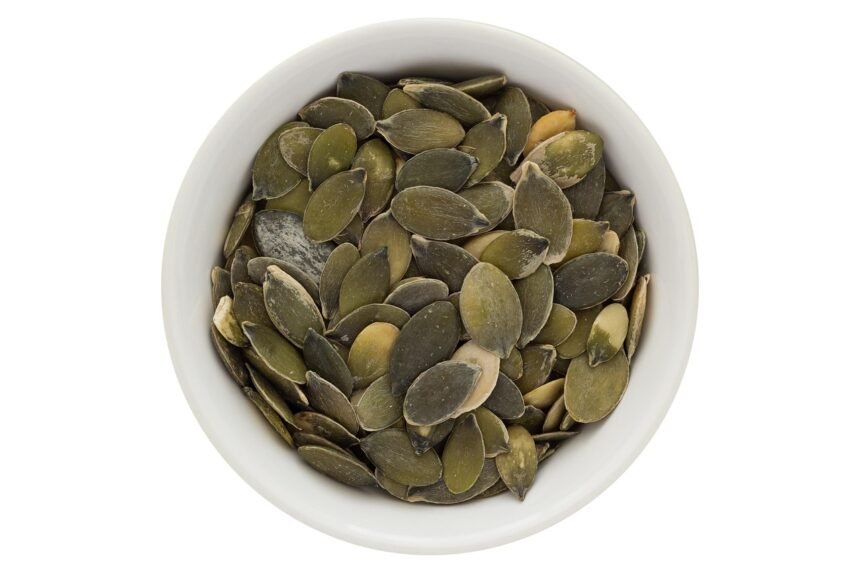
Many people wonder about the pepitas seeds vs pumpkin seeds difference. While all pepitas are pumpkin seeds, not all pumpkin seeds are pepitas.
Standard pumpkin seeds have a tough, white outer hull that requires cracking. Pepitas, however, grow naturally without a shell in specific varieties of pumpkins, such as oilseed pumpkins.
This makes them naturally tender, vibrant green, and ready to eat straight from the pumpkin. Because of their convenience, they are a fantastic addition to healthy snack ideas.
Nutritional Value of Pepitas
The pepitas seeds nutritional value per 100g is truly impressive. A standard serving offers a rich blend of macronutrients and vital trace minerals.
According to the USDA FoodData Central, these seeds are an excellent source of plant-based protein and heart-healthy unsaturated fats. This makes them one of the most accessible plant-based protein sources available today.
Furthermore, the pepitas seeds magnesium content is exceptionally high. Just a small handful can provide a significant portion of your daily requirement for this vital mineral.
Magnesium plays a crucial role in regulating muscle function and improving rest, as noted in numerous sleep and magnesium studies. If you struggle with your evening routine, exploring how to improve sleep naturally often starts with dietary changes like adding magnesium-rich foods.
Top Health Benefits
Supports Heart Health and Immunity
Pepitas are abundant in antioxidants, iron, zinc, and magnesium. The NHS guidelines on healthy fats highlight how unsaturated fats, like those found in pepitas, can help maintain healthy cholesterol levels.
Additionally, the zinc in these seeds is vital for immune support. Research published in the National Library of Medicine confirms that adequate zinc intake helps your body fight off harmful bacteria. You can learn more about zinc benefits for immunity on our dedicated health hub.
Promotes Healthy Skin and Hair
If you want a natural glow, you will love the pepitas seeds benefits for skin health. They contain vitamin E and antioxidants that help protect your skin from oxidative stress.
Dermatological research shows that dietary vitamin E is essential for maintaining skin elasticity and hydration. For more practical advice, check out our skincare diet tips.
There are also notable pepitas seeds for hair growth benefits. The natural oils and minerals nourish the scalp, which studies on pumpkin seed oil suggest may support hair thickness. Discover more natural hair growth remedies to complement your daily diet.
Weight Management and Blood Sugar
You might be wondering, are pepitas seeds good for weight loss? The short answer is yes, provided they are consumed in moderation.
They are rich in dietary fibre, which helps keep you feeling full for longer. The NHS weight management guide emphasises high-fibre foods for sustainable weight loss, making them a staple among weight-loss friendly foods.
Furthermore, diets rich in seeds can help stabilise glucose levels. A study on blood sugar control indicates that the macronutrient profile of pepitas prevents sudden insulin spikes. Read our guide on managing blood sugar for further dietary strategies.
How to Add Them to Your Diet
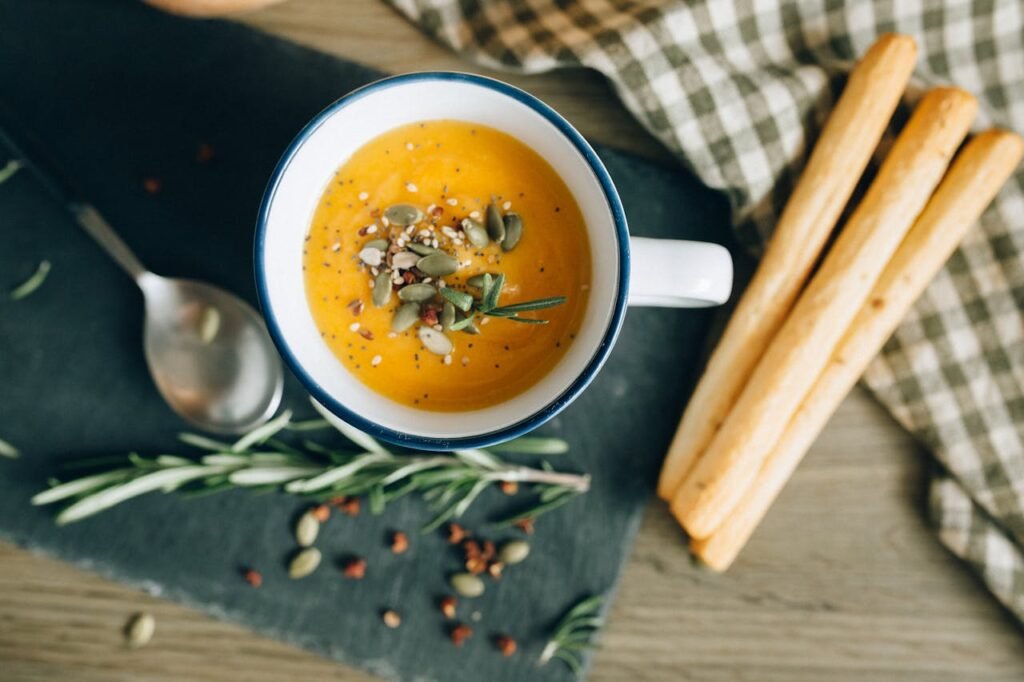
There are countless delicious and best ways to eat pepitas seeds. They add a delightful crunch to salads, warm soups, and morning porridge.
Adding pepitas seeds to smoothies is another fantastic way to boost your morning nutrition without altering the flavour. Try mixing a spoonful into our favourite healthy smoothie recipes.
If you prefer a warm, savoury snack, learning how to roast pepitas seeds at home is incredibly simple. Toss them in a little olive oil, add your favourite spices, and bake at a low temperature until golden and fragrant.
When shopping, opting for organic raw pepitas seeds uk ensures you avoid unwanted pesticides and chemicals. Always check the packaging labels for quality and organic certifications.
Portion Sizes and Storage
Knowing the daily recommended amount of pepitas seeds helps you maximise their health benefits without overconsuming calories. A standard portion is about 30 grams, or roughly one quarter of a cup.
This provides a balanced mix of nutrients to support a heart-healthy diet. The British Dietetic Association recommends incorporating a small handful of seeds daily as part of a balanced, plant-forward lifestyle.
Understanding how to store pepitas seeds properly will keep them fresh and crunchy for much longer. Because of their high healthy fat content, they can go rancid if left in warm, bright environments.
Keep them in an airtight container in the fridge or freezer to extend their shelf life. For more clever kitchen advice, browse our food storage hacks.
Potential Side Effects and Precautions
While highly nutritious, you should be aware of potential pepitas seeds side effects and digestion issues. Eating too many at once can occasionally cause bloating or gas due to the sudden increase in fibre.
The NHS fibre guidelines advise increasing your fibre intake gradually and drinking plenty of water. If you are creating a high-fibre diet plan, introduce these seeds slowly to allow your gut to adjust.
Pepitas are also a brilliant source of plant-based iron. The NHS iron requirements state that iron is vital for making red blood cells. Pair your seeds with vitamin C-rich foods for optimal absorption, a key tip for anyone relying on vegan iron sources.
Can Pets Eat Them?
Pet owners often ask, can dogs eat roasted pepitas seeds? Plain, unsalted pepitas are generally safe and can even provide a healthy nutritional boost for dogs in very small amounts.
However, you must avoid giving your pet seeds that have been roasted with salt, garlic, or onion powder. The American Kennel Club advises that many added spices can be highly toxic to canines.
Always consult your vet before introducing human foods to your pet’s diet. For a comprehensive list of what to keep away from your furry friends, read our article on foods to avoid for dogs.
Summary
Pepitas are a brilliant, nutrient-dense whole food that can easily elevate your daily meals. From supporting heart health to promoting glowing skin, their benefits are backed by extensive nutritional science.
Whether you blend them into a green smoothie or enjoy them gently roasted, they are a highly versatile kitchen staple. Just remember to store them correctly to preserve their delicate antioxidant properties.
By enjoying a sensible daily portion, you can harness the true power of these tiny green seeds. Their proven contribution to prostate and urinary health further cements their well-deserved status as a modern superfood.