For many people embarking on a low carb diet, the thought of giving up a classic, juicy burger is enough to cause hesitation. However, the rise of the ketogenic lifestyle has proven that you don’t need a wheat bun to enjoy a world-class meal. A Keto burger is more than just a meal; it is a versatile, nutrient-dense powerhouse that fits perfectly into your weight loss goals without sacrificing flavour.
Whether you are dining out or grilling at home, understanding how to construct the perfect Keto burger is essential for maintaining ketosis. By swapping out high-carb fillers for healthy fats and high-quality protein, you can enjoy a satisfying lunch that supports stable blood sugar levels and improves insulin sensitivity.
What Exactly Is a Keto Burger?
A standard burger typically relies on a brioche or sesame bun, which can contain upwards of 30 to 40 grams of carbohydrates. In contrast, a Keto burger focuses on the high-quality macronutrients found in the meat and toppings while eliminating the grains. According to research published in The Lancet, the quality of your carbohydrate sources is vital for long-term health, making the transition to low-carb alternatives a wise move for many.
The core components of a successful Keto burger include:
- The Protein: High-quality, often grass-fed beef or alternative meats.
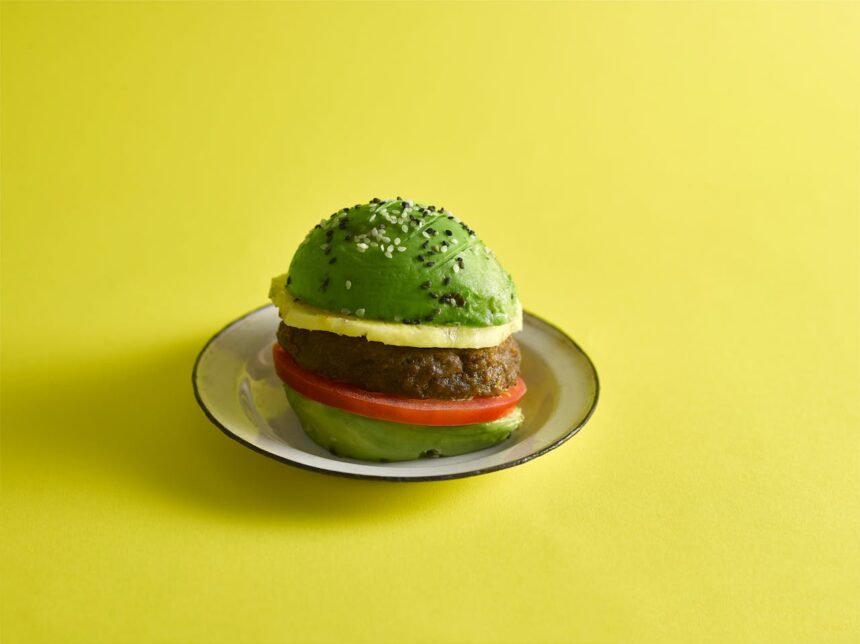
- The “Bun”: Creative, low-carb vessels like lettuce or mushrooms.
- The Fats: Creamy cheeses, avocado, and oil-based sauces.
- The Condiments: Sugar-free condiments that provide flavour without the hidden glucose.
Comparing the Classics: Traditional vs. Keto Burger
To understand why the Keto burger is a staple for health enthusiasts, it helps to look at the data. Below is a comparison of a typical fast-food cheeseburger versus a home-made keto-friendly version.
| Nutrient (Average) | Traditional Burger | Keto Burger (Lettuce Wrap) |
|---|---|---|
| Total Calories | 550 kcal | 420 kcal |
| Net Carbs | 38g | 4g |
| Protein | 25g | 28g |
| Healthy Fats | 22g | 34g |
| Dietary Fibre | 2g | 3g |
Mastering the “Bun”: Creative Low-Carb Alternatives
The biggest hurdle for most is the loss of the bun. However, a bunless burger doesn’t have to be messy or boring. You can utilise various vegetable-based options to keep your hands clean and your net carbs low.
1. The Classic Lettuce Wrap
Iceberg or Romaine lettuce provides a fresh, crunchy exterior. It’s the standard choice in many restaurants and is naturally hydrating. The NHS recommends increasing vegetable intake for better micronutrient profiles, and this swap is an easy way to achieve that.
2. Portobello Mushroom Caps
For a more savoury, earthy experience, portobello mushroom caps are an excellent choice. When grilled, they offer a sturdy texture that mimics bread surprisingly well. Mushrooms are also a great source of B vitamins.
3. Halloumi “Buns”
If you really want to increase your fat intake, try using two thick slices of fried halloumi cheese as the exterior. This is a favourite in the UK keto community for its salty, satisfying chew.
Choosing Your Meat: The Power of Grass-Fed Beef
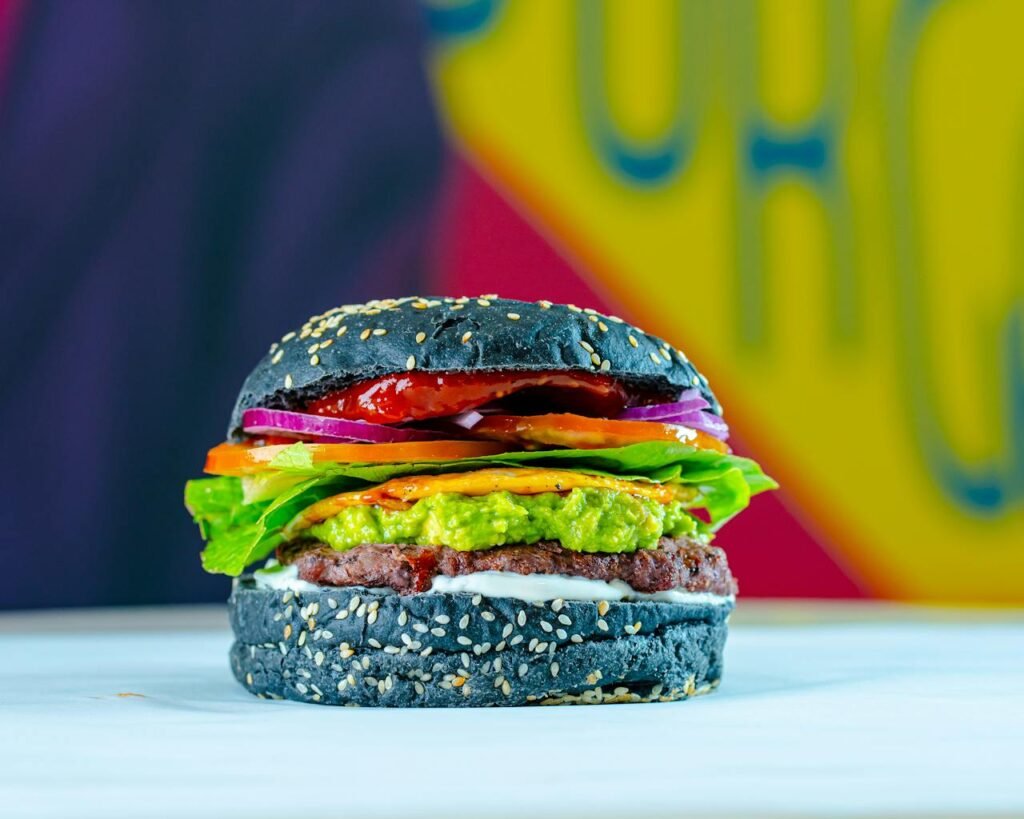
The heart of your Keto burger is the patty. For the best metabolic results, many experts suggest opting for grass-fed beef. This type of meat often contains higher levels of omega-3 fatty acids and antioxidants compared to grain-fed counterparts. As noted by Harvard Health, the source of your protein significantly impacts your overall inflammatory markers.
When forming your patties, aim for a fat-to-protein ratio of 20:80 or even 30:70. This ensures the burger remains moist during cooking and provides the saturated fat necessary to keep you in ketosis. According to the British Heart Foundation, while fat is essential, it is important to balance different types of fats within a varied diet.
Toppings and Condiments: Avoid the Hidden Sugars
A Keto burger can quickly become high-carb if you aren’t careful with sauces. Many commercial ketchups and BBQ sauces are loaded with high-fructose corn syrup. Instead, look for sugar-free condiments or make your own at home using apple cider vinegar and tomato paste.
Consider these keto-friendly additions:
- Avocado or Guacamole: Adds healthy fats and a creamy texture.
- Full-Fat Cheese: Cheddar, Monterey Jack, or Stilton are all excellent choices.
- Bacon: Ensure it is cured without sugar to maintain your ketogenic lifestyle.
- Mayonnaise: Look for mayo made with avocado oil or olive oil to benefit from medium-chain triglycerides (MCTs), which are readily used for energy by the liver. Learn more about lipid metabolism at ScienceDirect.
The Health Benefits of Going Bunless
Switching to a Keto burger isn’t just about weight loss; it’s about metabolic health. Studies found in Nature indicate that low-carb diets can significantly improve markers of metabolic syndrome. By keeping blood sugar levels stable, you avoid the “insulin spike and crash” cycle that often leads to afternoon fatigue and sugar cravings.
Furthermore, maintaining a high protein intake is crucial for preserving lean muscle mass while losing body fat. Research on PubMed highlights that adequate protein, combined with ketosis, helps suppress appetite through the regulation of hunger hormones like ghrelin.
For those managing type 2 diabetes, a Keto burger is a safe way to enjoy a “treat” meal. Diabetes UK suggests that monitoring carbohydrate intake is one of the most effective ways to manage the condition. By removing the bun, you effectively eliminate the primary source of glucose in the meal.
How to Order a Keto Burger When Dining Out
You don’t have to stay home to enjoy a Keto burger. Most major chains are now “keto-aware.” Here is how to optimise your order:
- Ask for a “protein style” or “lettuce wrap” burger.
- Request no ketchup or “special sauce” (which usually contains sugar).
- Substitute the chips (fries) for a side salad or steamed greens.
- Check the Food Standards Agency guidelines or restaurant nutrition menus if you are unsure about ingredients.
According to the Mayo Clinic, consistency is key to seeing results on a ketogenic diet. Having a “plan of attack” for social situations makes it much easier to stick to your goals.
Frequently Asked Questions (FAQs)
Can I eat a Keto burger every day?
While a Keto burger is a healthy option, variety is important. It is best to rotate your protein sources and ensure you are getting plenty of fibre from leafy greens. Consult the Cochrane Library for more on dietary patterns and long-term health.
Is cheese allowed on a Keto burger?
Yes, most hard and semi-hard cheeses are very low in carbohydrates and high in fat, making them perfect for a ketogenic lifestyle. However, if you have concerns about heart health or cholesterol, you may want to discuss your saturated fat intake with a professional at the Cleveland Clinic.
What is the best drink to pair with a Keto burger?
To keep your net carbs at zero, stick with sparkling water, unsweetened iced tea, or a black coffee. Avoid fruit juices and regular sodas. For more on the impact of diet on satiety and weight, see the British Journal of Nutrition.
The Bottom Line
The Keto burger is a testament to the fact that healthy eating doesn’t have to be restrictive or tasteless. By making smart choices about your “bun” and condiments, you can enjoy a meal that supports ketosis, stabilizes blood sugar levels, and helps you reach your weight loss goals. For a deep dive into the science of low-carb living, explore Healthline’s Keto 101 guide or check the latest metabolic research on WebMD.