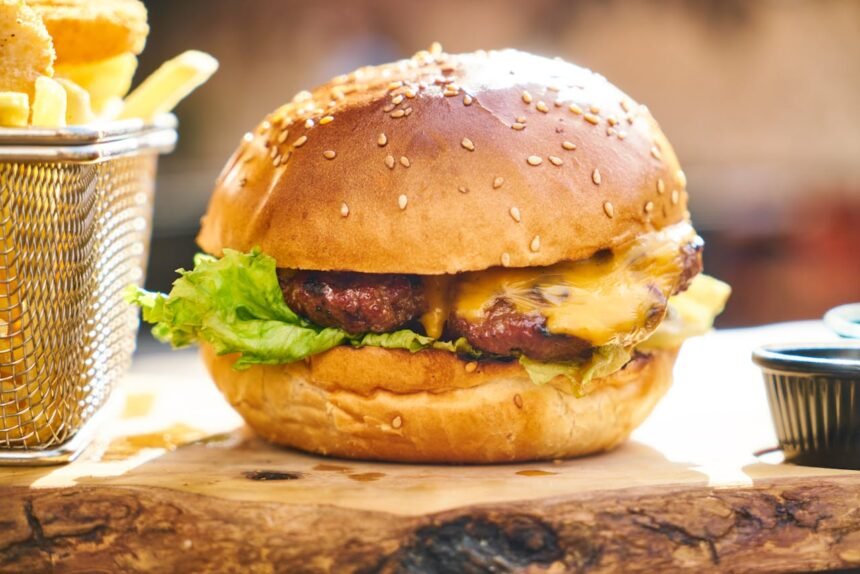
Whether you are looking to shake up your weekend barbecue or searching for a lean protein source to fuel your fitness goals, the Turkey burger has likely crossed your mind. Once dismissed as a bland substitute for beef, the modern turkey burger has undergone a culinary revolution. Today, it stands as one of the most versatile and nutrient-dense options for health-conscious foodies across the UK.
Switching to ground turkey is more than just a trend; it is a conscious decision to prioritise cardiovascular health without sacrificing the joy of a hearty meal. In this guide, we will explore why this poultry powerhouse belongs on your plate, how to keep it juicy, and the best ways to incorporate it into your weekly meal prep.
Is a Turkey Burger Truly Better for You?
When comparing a Turkey burger to its traditional beef counterpart, the most significant difference lies in the lipid profile. According to the British Heart Foundation, reducing saturated fat intake is a crucial step in managing cholesterol levels and supporting heart health.
Turkey is naturally lower in total fat, making it an excellent choice for those following a low calorie diet or looking for healthy alternatives to red meat. However, it is not just about what is missing; it is about what turkey provides. It is an exceptional source of high-quality protein, which is vital for muscle repair and metabolic function, as highlighted by Harvard Health.
Key Nutritional Highlights
- Vitamin B12: Essential for nerve function and the formation of red blood cells. Learn more about its importance from Medical News Today.
- Selenium: A powerful antioxidant that supports immune health and thyroid function, as detailed by Nature.com.
- Zinc: Vital for DNA synthesis and skin health.
- Niacin (B3): Helps the body convert food into energy efficiently.
Turkey vs. Beef: The Nutritional Breakdown
Understanding the numbers can help you make an informed choice for your next meal. Below is a comparison of standard 90% lean ground turkey versus 90% lean ground beef per 100g serving.
| Nutrient (per 100g) | Lean Ground Turkey | Lean Ground Beef |
|---|---|---|
| Calories | ~190 kcal | ~210 kcal |
| Protein | 27g | 26g |
| Total Fat | 8g | 11g |
| Saturated Fat | 2g | 4.5g |
| Iron | 8% DV | 15% DV |
While beef offers slightly more iron, the Turkey burger wins for those seeking to limit their intake of fats that contribute to arterial plaque. Organizations like the Mayo Clinic often recommend poultry as a heart-friendlier protein option.
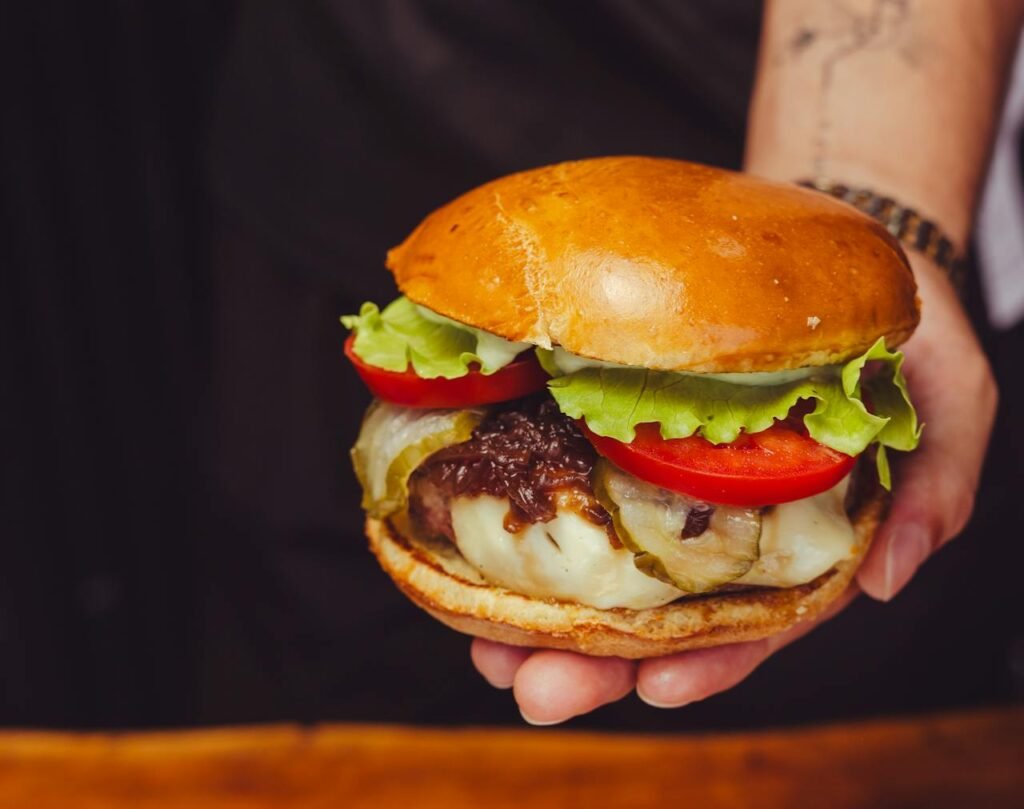
How to Master the Perfect Turkey Burger
The most common complaint about turkey is that it can become dry. Because it lacks the high fat content of beef, moisture management is essential. Follow these steps to ensure your grill sessions result in a succulent burger every time.
1. Focus on Seasoning
Since turkey has a milder flavour than beef, it acts as a blank canvas. Don’t be afraid to be bold with your seasoning. Incorporating fresh herbs like parsley, or spices like smoked paprika and cumin, can elevate the profile. For a boost of moisture, consider mixing in finely chopped mushrooms or onions.
2. Temperature Control is Key
Ensuring food safety is paramount when handling poultry. Unlike beef, which can be served rare, a Turkey burger must be cooked through. According to the Food Standards Agency, poultry should reach an internal temperature that ensures all harmful bacteria are destroyed. Using a digital meat thermometer is the only foolproof way to achieve this without overcooking the meat.
3. Don’t Overwork the Meat
To maintain a tender texture, handle the meat as little as possible. Over-mixing leads to a dense, rubbery patty. Form your burgers gently and create a small indentation in the centre with your thumb to prevent them from puffing up into a ball on the heat.
Healthier Toppings and Sides
What you put on your burger is just as important as the patty itself. To keep your meal nutrient-dense, consider these swaps:
- The Bun: Opt for a whole-grain or sourdough roll to increase your intake of dietary fibre, as recommended by the NHS. For a gluten-free option, a large lettuce wrap works beautifully.
- The Spread: Swap heavy mayonnaise for mashed avocado or a dollop of Greek yoghurt mixed with lemon juice. The Diabetes UK website offers excellent suggestions for healthier condiment alternatives.
- The Crunch: Instead of deep-fried chips, try oven-roasted sweet potato wedges or a vibrant side salad. The British Nutrition Foundation emphasises the importance of including starchy carbohydrates with skins left on for maximum nutrition.
Safety and Storage
When incorporating turkey into your weekly programme, proper storage is vital. Fresh ground turkey should be used within one to two days of purchase or frozen immediately. For more detailed guidelines on poultry storage, refer to World Health Organization food safety standards.
If you are preparing burgers in advance for meal prep, ensure they are cooled quickly and stored in airtight containers. This helps maintain flavour and prevents cross-contamination in your fridge. For more advice on balanced eating, consult the UK Eatwell Guide.
Frequently Asked Questions (FAQs)
Can I eat a turkey burger if I am on a keto diet?
Yes, a Turkey burger is an excellent choice for a ketogenic diet. Simply skip the bun and the sugary ketchups. Pair the patty with high-fat toppings like avocado, cheese, or a fried egg to meet your macros. Check out WebMD for more on keto-friendly proteins.
What temperature should a turkey burger be cooked to?
A Turkey burger must reach an internal temperature of 75°C (165°F) to be safe for consumption. Always use a meat thermometer inserted into the thickest part of the patty. This ensures you’ve met safety standards without drying out the meat, as advised by Cleveland Clinic experts.
Is ground turkey healthier than ground chicken?
Both are excellent lean protein sources. Generally, turkey is slightly lower in calories and saturated fat than chicken, though the difference is minimal. Both are superior to red meat for those focusing on long-term weight management and heart health, a topic frequently covered in The Lancet Public Health.
By making the switch to a Turkey burger, you aren’t just choosing a different meat; you are choosing a lifestyle that values both flavour and longevity. With the right seasoning and cooking techniques, it might just become your new favourite “fast food” made right at home.