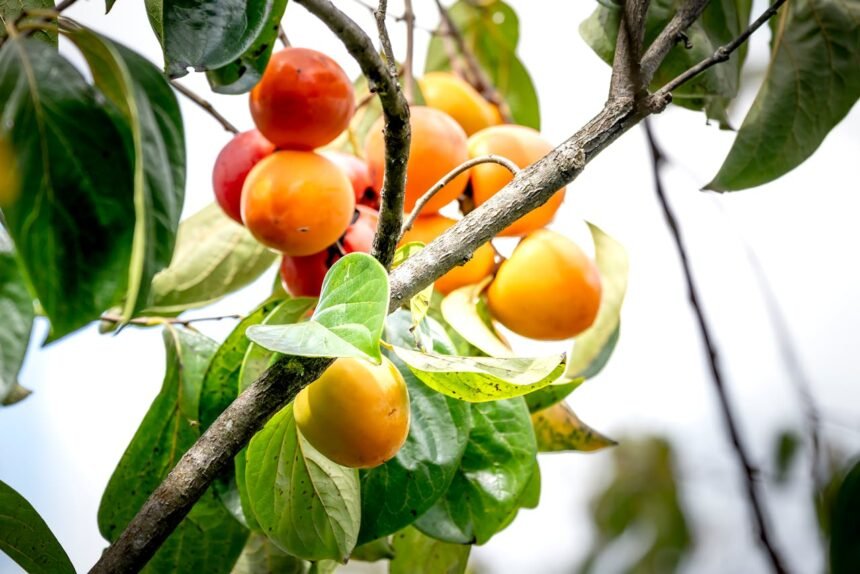
If you have ever spent a crisp autumn afternoon wandering through the woodlands of the Eastern United States, you might have stumbled across a small, orange fruit that looks like a miniature tomato. This is the American persimmon (Diospyros virginiana), a native fruit that has been a staple of North American diets for centuries. Often overshadowed by its larger, commercially grown Asian cousin, the American persimmon is a nutritional powerhouse with a unique, honey-like flavour that is well worth the search.
In this guide, we will explore everything you need to know about this deciduous tree, from its impressive health benefits to how you can successfully forage for it in the wild.
What Exactly Is the American Persimmon?
The American persimmon is a species of edible wild plants belonging to the ebony family. Unlike the Fuyu persimmons you find in supermarkets, which are often imported, the American variety is much smaller and significantly more potent in flavour. Historically, it was a vital food source for Indigenous peoples and early settlers, celebrated for its high sugar content and ability to be dried for winter storage.
One of the most defining characteristics of this fruit is that it is a highly astringent fruit when unripe. If you bite into one too early, the high concentration of tannins will cause your mouth to pucker instantly. However, once fully ripe—often after the first frost—the flesh turns into a soft, jelly-like custard that is incredibly sweet.
American vs. Oriental Persimmons: What is the Difference?
While both belong to the Diospyros genus, they offer very different experiences for the gardener and the gourmet. Below is a quick comparison to help you distinguish between the two.
| Feature | American Persimmon (D. virginiana) | Oriental/Asian Persimmon (D. kaki) |
|---|---|---|
| Fruit Size | Small (2-4 cm), similar to a large plum. | Large (up to 10 cm), similar to a beefsteak tomato. |
| Flavour Profile | Intense, rich, caramel and honey notes. | Mild, sweet, and slightly crispy (if Fuyu). |
| Hardiness | Highly cold-hardy; thrives in temperate zones. | Prefers warmer climates; less frost-tolerant. |
| Tannin Levels | Very high until completely soft. | Varied; some non-astringent varieties exist. |
The Nutritional Benefits of American Persimmons
Like many native fruit species, the American persimmon is packed with vitamins, minerals, and antioxidants. Incorporating these into your diet can support your health in several ways:
- High Vitamin C Levels: This fruit is an excellent source of vitamin C, which is essential for immune function and skin health.
- Rich in Dietary Fibre: A single serving provides a significant amount of dietary fibre, aiding digestion and promoting a feeling of fullness.
- Antioxidant Power: They contain flavonoids and polyphenols that help metabolise free radicals, potentially reducing inflammation.
- Eye Health: High in vitamin A and lutein, which are critical for maintaining healthy vision as we age.
- Heart Health: The potassium content helps regulate blood pressure, as noted by the Harvard Medical School.
Persimmon Tree Identification and Foraging
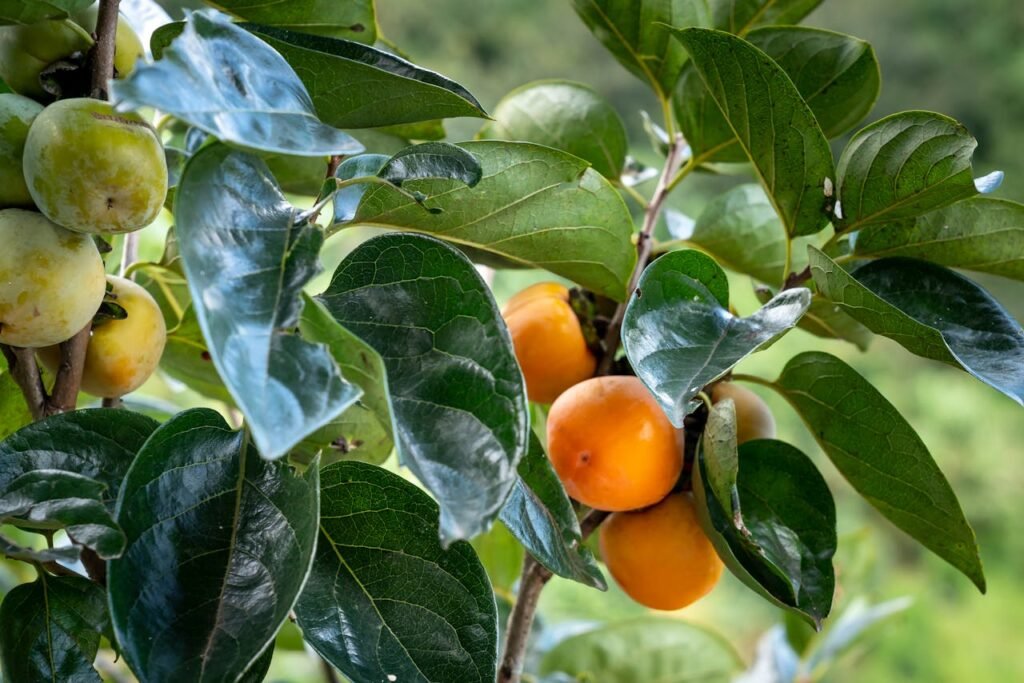
If you are interested in winter foraging, knowing your persimmon tree identification is crucial. The trees typically grow 10 to 20 metres tall and feature distinctive “alligator skin” bark—thick, dark grey blocks that make them easy to spot even when the leaves have fallen.
Tips for Successful Foraging
- Look for the Bark: The deeply furrowed, blocky bark is the most reliable way to identify the tree in the forest.
- Wait for the Drop: You should never pick an American persimmon directly from the branch. If it hasn’t fallen, it likely isn’t ripe.
- Check the Colour: Look for a deep orange or even slightly purple hue. A frost-ripened fruit that looks slightly wrinkled is often at its peak sweetness.
- The Taste Test: Gently squeeze the fruit; it should feel like a water balloon. If it is firm, it will be unpleasantly astringent.
According to the Royal Horticultural Society, these trees are also becoming popular in home orchards due to their resilience and lack of major pests.
Culinary Uses: From Wild to Table
The Appalachian tradition of using wild persimmons has gifted us many classic recipes. Because the pulp is naturally thick and sweet, it acts as a wonderful base for desserts and preserves.
The Classic Persimmon Pudding
Perhaps the most famous use for this fruit is a traditional persimmon pudding recipe. Unlike a British plum pudding, this is more of a dense, moist cake, often served with whipped cream or a dash of brandy. You can find detailed nutritional data for such ingredients at USDA FoodData Central.
Other Ways to Enjoy Them:
- Persimmon Jam: Their high pectin content makes them perfect for preserves.
- Smoothies: Add the pulp to a blender for a natural sugar boost and creaminess.
- Dried Fruit: Slice them thinly and dry them to concentrate their flavour.
For those watching their calorie intake, Medical News Today highlights that while sweet, they are a nutrient-dense alternative to processed snacks.
Potential Risks and Considerations
While generally safe and healthy, there are a few things to keep in mind. Eating excessive amounts of unripe persimmons can lead to the formation of a “bezoar,” a small mass in the digestive tract caused by the reaction of tannins with stomach acid. While rare, it is a known medical phenomenon discussed on ScienceDirect.
Additionally, those with diabetes should monitor their intake due to the concentrated sugar content, as advised by The Academy of Nutrition and Dietetics. Always consult with a healthcare professional before making significant changes to your diet, especially if you have underlying conditions.
Conclusion
The American persimmon is more than just a native fruit; it is a link to our botanical heritage and a delicious source of nutrition. Whether you are foraging for persimmons in a local park or planting a tree in your garden, this hardy deciduous tree offers a taste of the wild that is hard to beat. By waiting for the first frost and choosing only the softest fruit, you can enjoy a natural treat that has sustained generations.
For more information on identifying native species, you can visit Kew Gardens or the Britannica Botany section. If you are looking for general dietary advice, WebMD and Healthline offer extensive resources on the benefits of whole fruits.
Frequently Asked Questions (FAQs)
Do you have to wait for a frost to eat an American persimmon?
While the “first frost” rule is a common piece of folklore, it isn’t strictly necessary. The fruit simply needs to be fully ripe and soft. The frost often coincides with the ripening process, but some trees ripen earlier in the autumn. The key is the texture, not the temperature.
Can you eat the skin of an American persimmon?
Yes, the skin is edible. However, since the fruit is usually very soft when ripe, most people prefer to squeeze the pulp out and discard the skin and the large internal seeds. The skin of the American persimmon is tougher than that of the Asian variety.
How do I store wild persimmons?
Ripe persimmons are very delicate and do not keep well at room temperature. It is best to process them into pulp and freeze them. Frozen persimmon pulp can last for up to six months and is perfect for use in baking or smoothies throughout the winter.
Where can I find American persimmon trees?
They are native to the Eastern United States, ranging from New York down to Florida and as far west as Texas. They prefer sunny spots and well-drained soil, often found along the edges of forests or in old fields.