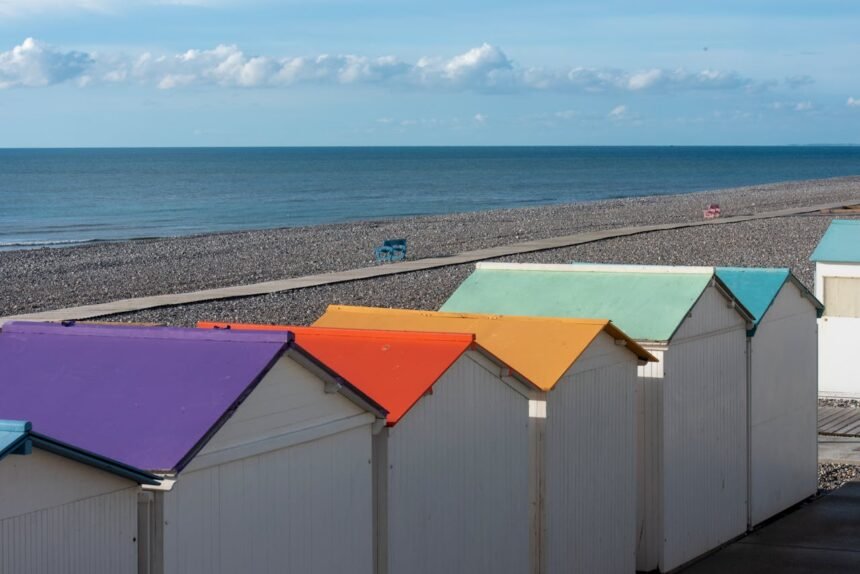
In our hyper-connected, always-on world, a good night’s rest has become a luxury. From the blue light of our smartphones to the relentless hum of city traffic, our modern environment is often at odds with our biological need for rest. If you find yourself tossing and turning, it might be time to consider a seaside sleep retreat. This emerging trend in restorative travel combines the healing power of the ocean with science-backed sleep hygiene practices to help you reclaim your nights.
But what is it about the coast that makes us sleep so soundly? It isn’t just the holiday mindset; it’s a complex interaction between your biology and the natural environment. Below, we explore how coastal therapy can transform your psychological well-being and provide lasting insomnia relief.
The Science of Sleep by the Sea
There is a reason why humans have flocked to the coast for centuries to recuperate. Research published in Nature suggests that spending time in “blue spaces”—environments featuring water—can significantly lower stress levels. At a seaside sleep retreat, several environmental factors work in tandem to recalibrate your circadian rhythm.
1. The Power of Negative Ions
The crashing of ocean waves generates negative ions—oxygen atoms charged with an extra electron. A study available on PubMed indicates that these ions may help regulate serotonin levels, improving mood and reducing the physiological symptoms of stress. This creates the perfect internal environment for deep, restorative slumber.
2. Natural White Noise
Unlike the unpredictable jolts of city sirens, the rhythmic sound of the tide acts as a natural form of white noise. This acoustic consistency masks background disturbances and helps the brain switch from a state of high alert to a meditative “alpha” state, which is essential for falling asleep faster.
3. Marine Air and Oxygen Saturation
The fresh marine air is typically cleaner and richer in oxygen than urban air. According to the NHS, fresh air and exercise are foundational for quality sleep. The increased oxygen levels can help you feel more energised during the day and more naturally tired when the sun goes down.
Seaside Retreat vs. Traditional Health Spa
While a standard spa might focus on beauty treatments, a dedicated sleep retreat prioritises the biological mechanisms of rest. Here is how they compare:
| Feature | Traditional Health Spa | Seaside Sleep Retreat |
|---|---|---|
| Primary Goal | Aesthetics and general pampering | Resetting the circadian rhythm |
| Environment | Often indoor/controlled | Natural blue space and fresh air |
| Key Activity | Facials and massages | Relaxation techniques and light exposure |
| Sleep Focus | Secondary benefit | Central pillar of the programme |
How Coastal Therapy Enhances Melatonin Production
Our bodies rely on light cues to know when to wake and when to sleep. According to the Sleep Foundation, melatonin production is heavily influenced by our exposure to natural light. On the coast, the wide horizons and lack of tall buildings allow for maximum exposure to morning sunlight. This “anchors” your internal clock, making it easier for your body to naturally produce melatonin as evening approaches.
Furthermore, many retreats incorporate magnesium-rich treatments, such as seawater thalassotherapy. Magnesium is a vital mineral for relaxation, and as noted by the Mayo Clinic, it plays a role in supporting the central nervous system to reduce insomnia symptoms.
What to Expect at a Seaside Sleep Retreat
If you decide to book a stay, your itinerary will likely look very different from a standard holiday. Most programmes utilise a multidisciplinary approach, including:
- Digital Detox: Guests are encouraged to disconnect from devices to lower cortisol levels, as suggested by experts at Psychology Today.
- Guided Meditation: Specific relaxation techniques designed to lower the heart rate.
- Sea-to-Table Nutrition: Diets focused on sleep-promoting nutrients like tryptophan and omega-3 fatty acids.
- CBT-I Workshops: Cognitive Behavioural Therapy for Insomnia, a gold-standard treatment recommended by the Cleveland Clinic.
5 Tips to Bring the Coastal Sleep Home
You don’t have to live on the coast to enjoy the benefits of a seaside sleep retreat. You can optimise your sleep hygiene by mimicking the retreat environment at home:
- Utilise Soundscapes: Use a high-quality app to play recordings of ocean waves throughout the night.
- Optimise Light: Get at least 20 minutes of natural sunlight every morning, a practice supported by Harvard Health.
- Cool Your Room: Coastal air is often brisk; keeping your bedroom around 18°C is ideal for deep sleep.
- Salt Baths: Use Epsom salts to create a magnesium-rich soak before bed to relax your muscles.
- Commit to a Digital Detox: Turn off all screens 60 minutes before bed to protect your melatonin production.
The Mental Health Connection
Sleep and mental health are intrinsically linked. The charity Mind highlights that poor sleep can lead to increased anxiety and depression. By prioritising a seaside sleep retreat, you aren’t just catching up on “beauty sleep”; you are investing in your long-term psychological well-being. Engaging with nature has been shown to reduce “rumination”—the repetitive negative thoughts that often keep us awake at night, according to research found on ScienceDirect.
If you are struggling with chronic exhaustion, consulting a professional at the British Sleep Society or the Royal College of Psychiatrists can provide further clinical guidance.
Frequently Asked Questions (FAQs)
How long should a seaside sleep retreat last to be effective?
While even a weekend can provide immediate stress relief, most experts, including those at The National Institute on Aging, suggest that it takes about 4 to 7 days for the body to fully adjust to a new circadian rhythm and see lasting changes in sleep patterns.
Are seaside retreats suitable for people with clinical insomnia?
Yes, many retreats offer evidence-based programmes like CBT-I. However, as noted by WebMD, clinical insomnia often requires a medical diagnosis, so a retreat should be seen as a complement to, not a replacement for, professional medical advice.
Is the “sea air” making me tired a real phenomenon?
It is more than just a myth. The combination of negative ions, lower levels of environmental pollution, and the physical exertion of walking on sand contributes to what scientists call “healthy fatigue.” You can read more about the impact of environment on health at Medical News Today.
In conclusion, a seaside sleep retreat offers more than just a beautiful view. It provides a scientifically backed environment to reset your body, calm your mind, and finally achieve the high-quality rest you deserve. For more information on the latest sleep research, visit the Cochrane Library or the Royal Society of Medicine.