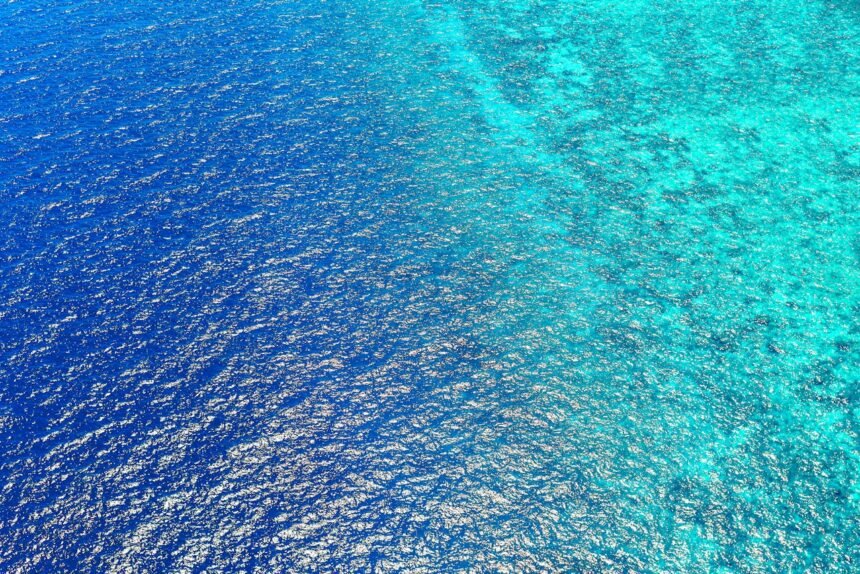
Have you ever stood on a shoreline at midnight and watched the waves break in a shimmering, neon-electric hue? This breathtaking phenomenon, often described as a blue light ocean, is one of nature’s most enchanting spectacles. While it looks like something out of a science-fiction film, the “sea sparkle” is a deeply rooted biological process that has fascinated scientists and travellers for centuries.
In this guide, we will explore the science behind these glowing waters, the marine organisms responsible for the display, and why experiencing this natural wonder might actually be good for your mental wellbeing.
The Science of the Glow: What Causes a Blue Light Ocean?
The ethereal glow of a blue light ocean is primarily caused by bioluminescence. This is a chemical reaction that occurs within certain living organisms, allowing them to produce and emit light. In the context of the ocean, the most common culprits are microscopic phytoplankton known as dinoflagellates.
According to research published in Nature, this light is generated when a molecule called luciferin reacts with oxygen. This process is often facilitated by an enzyme known as luciferase. When the water is disturbed by waves, boat hulls, or even a swimmer, these organisms flash as a defence mechanism to startle predators.
Key Components of Bioluminescence
- Luciferin: The compound that actually produces the light.
- Luciferase: The enzyme that acts as a catalyst for the reaction.
- Oxygen: The essential element that fuels the chemical process.
Meet the Organisms: From Dinoflagellates to Deep-Sea Creatures
While the surface-level night-time glow is usually thanks to Noctiluca scintillans (commonly called “sea sparkle”), bioluminescence is prevalent throughout the entire water column. In the dark reaches of the midnight zone, deep-sea creatures utilise light for communication, camouflage, and hunting.
The Smithsonian Institution notes that nearly 75% of deep-sea animals produce some form of light. This is a critical field of study within oceanography, helping us understand how life survives in extreme environments without sunlight.
Common Bioluminescent Species
| Organism Type | Common Name | Primary Function of Light |
|---|---|---|
| Plankton | Dinoflagellates | Defence against predators |
| Fish | Anglerfish | Luring prey in the dark |
| Cephalopod | Firefly Squid | Communication and mating |
| Jellyfish | Crystal Jelly | Startling attackers |
The Therapeutic Benefits of Witnessing the Blue Light Ocean
There is a growing body of evidence suggesting that “blue spaces”—areas near water—have significant therapeutic benefits for human health. Witnessing a blue light ocean combines the calming effects of the sea with the awe-inspiring impact of natural light displays.
Psychologists at the Mayo Clinic often highlight how “awe” can reduce stress and improve social connection. Furthermore, spending time in natural environments away from artificial light pollution can help regulate our circadian rhythms. While modern screens emit blue light that can disrupt our melatonin production, the natural, soft glow of bioluminescence offers a primitive connection to the earth’s cycles.
The NHS encourages outdoor activity to boost mental health, and eco-tourism centred around bioluminescent bays is becoming a popular way for people to decompress and reconnect with nature.
Where Can You See the Blue Light Ocean?
If you are looking to witness this phenomenon first-hand, timing and location are everything. You typically need a dark night with little moon interference to see the full effect. Some of the most famous locations include:
- Mosquito Bay, Puerto Rico: Widely considered the brightest bioluminescent bay in the world.
- Jervis Bay, Australia: Famous for its occasional “sea sparkle” that turns the shoreline electric blue.
- Toyama Bay, Japan: Home to the incredible firefly squid.
- The Maldives: Where the “Sea of Stars” phenomenon is a regular occurrence on certain islands.
Before travelling, it is wise to check local marine conservation reports. As noted by NOAA, these ecosystems are fragile and can be affected by rising sea temperatures and pollution.
The Impact of Light Pollution and Climate Change
The delicate balance of the blue light ocean is currently under threat. Excessive light pollution from coastal cities can drown out the subtle glow of marine organisms, disrupting their natural behaviours. Furthermore, researchers writing for Scientific American suggest that changes in ocean acidity and temperature may affect the frequency and intensity of these blooms.
Environmental protection is vital. Organizations like Oceana work tirelessly to ensure that our oceans remain healthy enough to support these mesmerising life forms for generations to come.
How to Protect Glowing Oceans
- Support marine conservation charities and initiatives.
- Reduce your carbon footprint to mitigate ocean warming.
- Practise responsible eco-tourism by choosing “no-trace” boat tours.
- Advocate for darker night skies in coastal communities.
Conclusion
The blue light ocean is more than just a beautiful photo opportunity; it is a vital indicator of marine health and a testament to the wonders of biological evolution. From the chemical interplay of luciferase to the psychological peace found on a glowing shore, bioluminescence connects us to the mystery of the deep sea.
To learn more about the science of light and its effects on the body, visit the World Health Organization or explore the latest discoveries in oceanography at Scripps Institution of Oceanography. For those interested in the environmental impact of light, NASA offers incredible satellite imagery of bioluminescent blooms from space.
By understanding and protecting these glowing waters, we ensure that the “sea sparkle” continues to light up our nights and inspire our souls.
Frequently Asked Questions (FAQs)
Is it safe to swim in a blue light ocean?
Generally, yes. Most bioluminescent plankton are harmless to humans. However, some species that cause a blue light ocean, like certain dinoflagellates, can produce toxins if they are present in very high concentrations (red tides). It is always best to check local health advisories via sites like the BBC or local environmental agencies before diving in.
Can you see the blue light ocean every night?
No, bioluminescence is seasonal and depends on various factors including water temperature, nutrient levels, and darkness. According to Frontiers in Marine Science, these blooms are often unpredictable. It is best to visit during the warmer months and during a new moon for the best visibility.
Why is the light always blue or green?
In the ocean, blue and green light travel the furthest through water. As explained in Britannica, most marine organisms have evolved to emit these colours because they are the most visible in the underwater environment. Red light is absorbed very quickly, making it less effective for communication or defence.
Is bioluminescence related to “blue light” from phones?
While both involve blue wavelengths, they are very different. The blue light from your phone is artificial and can interfere with your circadian rhythms and melatonin production, as discussed on ScienceDaily. The blue light ocean is a natural biological light that does not have the same negative impact on eye health or sleep patterns.
How can I photograph a blue light ocean?
Capturing the glow requires a camera with manual settings. You will need a long exposure (usually 5 to 30 seconds), a tripod, and a wide aperture. For more technical tips, journals like ScienceDirect often feature studies on imaging techniques used in oceanography to document these phenomena.