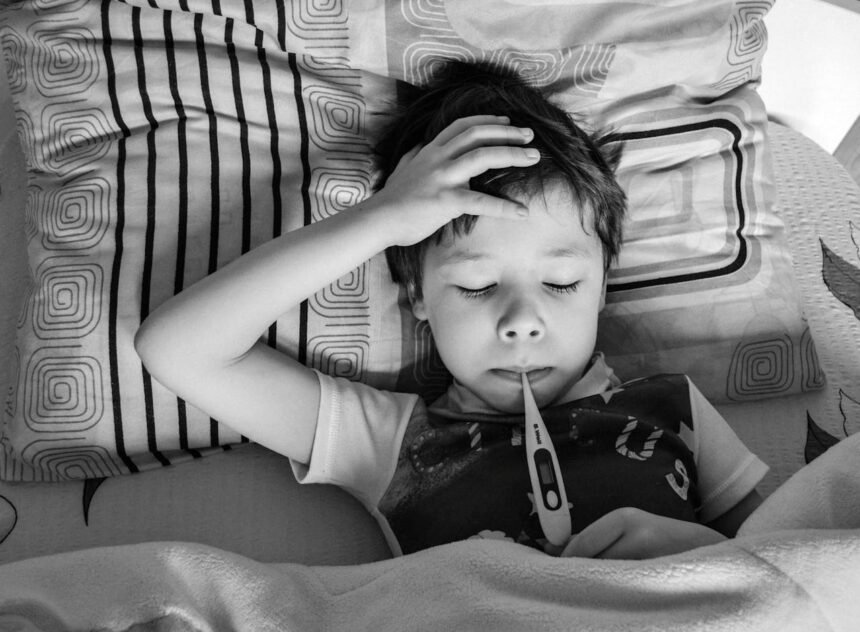
Watching your child tumble during a football match or fall off their bike can make any parent’s heart skip a beat. While most bumps and bruises are part of growing up, a head injury requires a closer look. A concussion is technically a mild traumatic brain injury (mTBI), caused by a bump, blow, or jolt to the head that causes the brain to move rapidly back and forth inside the skull.
Recognising concussion symptoms kids might display isn’t always straightforward. Symptoms don’t always appear immediately; some may take hours or even days to surface. Understanding what to look for and how to manage the recovery process is vital for your child’s long-term brain health. This guide will help you navigate the complexities of head injury child care with confidence and empathy.
What Exactly is a Paediatric Concussion?
A paediatric concussion occurs when the brain’s soft tissue knocks against the hard bones of the skull. This movement can create chemical changes in the brain and sometimes stretch or damage brain cells. Although often termed “mild” because they are usually not life-threatening, the effects can be serious if not managed correctly. Unlike a broken arm, you cannot see a concussion on a standard X-ray or CT scan, making clinical observation of symptoms the primary tool for diagnosis.
Identifying Common Concussion Symptoms Kids Display
The symptoms of a concussion generally fall into four main categories: physical, cognitive, emotional, and sleep-related. It is important to remember that every child is different; one might experience a severe headache while another simply feels “foggy.”
Physical Symptoms
These are often the first signs parents notice after an accident. Watch for:
- Persistent headaches or a feeling of “pressure” in the head.
- Nausea or vomiting after head injury.
- Balance problems or dizziness.
- Sensitivity to light or noise.
- Blurred or double vision.
- Feeling lethargic or tired.
Cognitive and Emotional Changes
A concussion can affect how a child thinks and feels. These cognitive symptoms and emotional changes may be more subtle:
- Difficulty concentrating or remembering new information.
- Feeling “slowed down” or in a fog.
- Irritability, sadness, or becoming more emotional than usual.
- Nervousness or anxiety.
- Confusion about recent events (e.g., forgetting the score of a game).
Sleep Disturbances
Changes in a child’s sleep patterns are significant indicators of a brain injury. These sleep disturbances might include:
- Sleeping much more than usual.
- Sleeping less than usual.
- Trouble falling asleep or staying asleep.
Comparing Concussion Signs and Symptoms
Medical professionals often distinguish between “signs” (what you observe) and “symptoms” (what your child reports). This table outlines the differences to help you monitor your child effectively.
| Category | Observed Signs (What You See) | Reported Symptoms (What They Feel) |
|---|---|---|
| Physical | Dazed look, clumsy movements, loss of consciousness (even briefly). | Headache, “fuzzy” vision, nausea, ringing in ears. |
| Mental | Forgets instructions, answers questions slowly, appears confused. | Difficulty concentrating, feeling “not right,” memory gaps. |
| Emotional | Personality changes, inappropriate crying or laughter. | Feeling easily frustrated, sad, or anxious. |
Red Flags: When to Seek Emergency Medical Attention
While most concussions can be managed at home under a doctor’s guidance, some situations require immediate emergency medical attention. Take your child to the nearest A&E department if they experience any of the following:
- A headache that gets significantly worse and does not go away.
- Weakness, numbness, or decreased coordination.
- Repeated vomiting or nausea.
- Slurred speech or extreme drowsiness.
- One pupil (the black centre of the eye) is larger than the other.
- A seizure or convulsion.
- Inability to recognise people or places.
- Increasing confusion, restlessness, or agitation.
For more information on emergency protocols, consult the NICE guidelines on head injury.
The Path to Recovery: Brain Rest and Return to Play
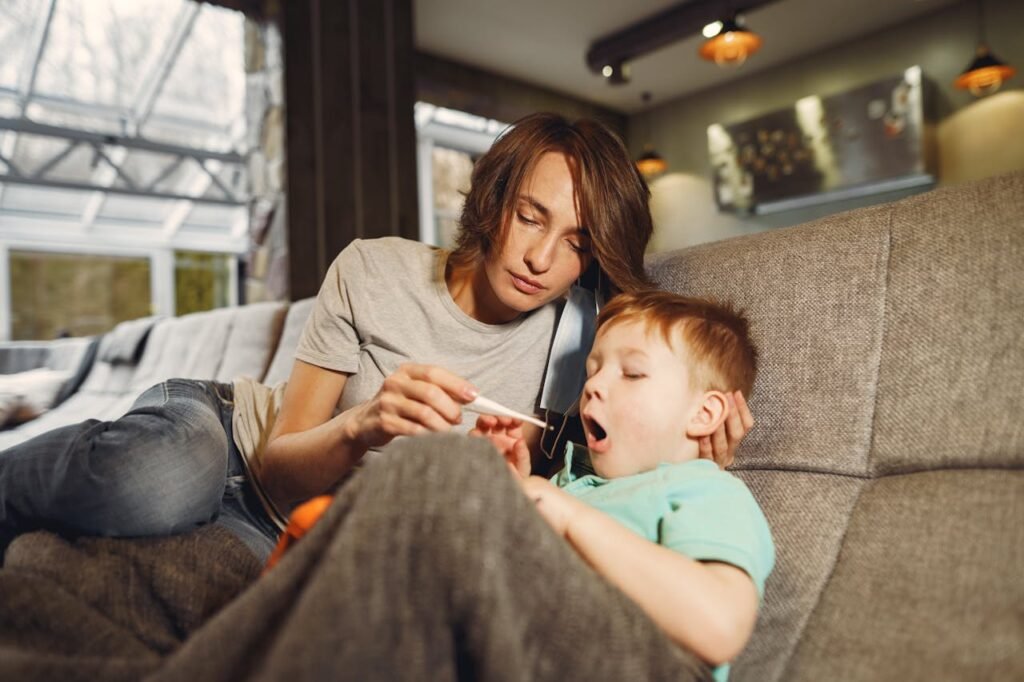
The most critical component of recovery is brain rest. In the first 24 to 48 hours, this means limiting activities that require high levels of concentration, such as video games, heavy reading, or screen time. As the brain heals, a gradual return to normal life is necessary.
Returning to School
Your child may require school accommodations during their recovery. This could include shorter school days, frequent breaks, or extra time on assignments. Teachers should be informed so they can watch for worsening symptoms in the classroom. You can find resources for educators through the CDC’s “Heads Up” programme.
Return to Play
The return to play process must be gradual. A child should never return to contact sports on the same day the injury occurred. They must be symptom-free without medication before beginning a stepped progression of physical activity. Rushing back into sports increases the risk of second impact syndrome, a rare but life-threatening condition where the brain swells rapidly after a second injury. For detailed athletic protocols, visit the Mayo Clinic’s concussion guide.
Long-term Considerations: Post-Concussion Syndrome
Most children recover within a few weeks. However, if symptoms persist for longer than a month, it may be classified as post-concussion syndrome. In these cases, a multidisciplinary approach involving neurologists and physiotherapists may be required. Organisations like Headway UK offer support for families dealing with prolonged recovery.
Ongoing research from institutions like Oxford University and Nature.com continues to highlight the importance of careful management in young athletes to prevent long-term neurological issues.
Frequently Asked Questions (FAQs)
Does my child need to lose consciousness to have a concussion?
No. In fact, most concussions do not involve a loss of consciousness. Many children remain awake and alert but may appear dazed or “spaced out” immediately following the impact.
How long does it take for a child to recover from a concussion?
Most children feel better within two to four weeks. However, recovery times vary significantly based on the severity of the injury and the child’s previous history of head injuries. Always follow the advice of a medical professional, such as those at Johns Hopkins Medicine, for a personalised recovery timeline.
When can my child start using screens again?
Modern advice from Harvard Health suggests that while total “dark room” rest isn’t always necessary, screens should be avoided for the first 48 hours if they worsen symptoms. After that, they can be introduced gradually as long as they don’t trigger headaches or dizziness.
Can a concussion be seen on an MRI?
Standard MRIs and CT scans are usually normal in concussion cases because these scans look for structural damage like bleeding or fractures, whereas a concussion is a functional injury. Learn more about brain imaging from Stanford Medicine.
What happens if my child hits their head again before they are healed?
This is very dangerous. A second injury before the first has healed can lead to permanent brain damage or a fatal condition known as second impact syndrome. This is why strict adherence to American Academy of Pediatrics return-to-play guidelines is essential.
The Bottom Line
While concussion symptoms kids display can be frightening, most children make a full recovery with proper rest and a gradual return to activities. Be a vigilant observer, trust your instincts, and never hesitate to contact a healthcare provider if you are concerned. For further reading on brain health and injury prevention, visit the World Health Organization or the British Medical Journal for the latest clinical research.
To learn more about supporting your child’s brain health during recovery, you can also explore resources from The Brain Charity and Cleveland Clinic.