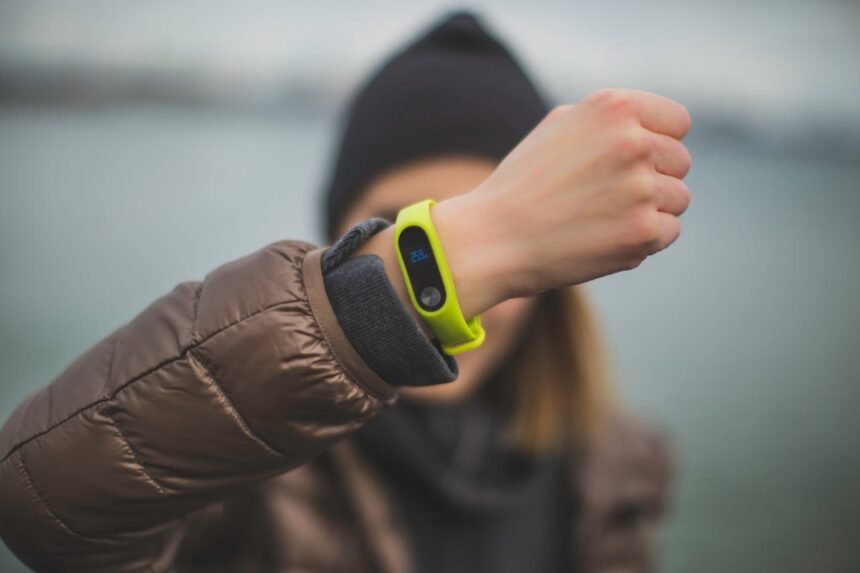
Embarking on a health journey can often feel like navigating a maze without a map. Whether you are looking to shed a few pounds, build muscle, or simply understand your body better, the sheer volume of data can be overwhelming. Fortunately, technology has made it easier than ever to monitor your progress. Finding a reliable calorie tracker free of cost is one of the most effective ways to take control of your well-being without breaking the bank.
At its core, weight management is often about understanding the relationship between the energy you consume and the energy you expend. By using digital health tools, you can gain a clearer picture of your daily calorie intake and make informed decisions that align with your personal weight loss goals. In this guide, we will explore how to utilise these tools effectively to foster healthy habits that last a lifetime.
The Science of Energy Balance
To understand why tracking is so effective, we must first look at the principle of energy balance. This is the relationship between the calories you eat through food and drink and the calories your body uses for basic functions and physical activity. According to research published in Nature, maintaining a consistent caloric deficit—where you burn more than you consume—is the primary driver of weight loss.
Every individual has a unique Basal Metabolic Rate (BMR), which represents the number of calories your body needs to function at rest. A high-quality calorie tracker free version will usually calculate this for you, helping you set a realistic target based on your age, sex, weight, and activity levels. This scientific approach removes the guesswork and provides a data-driven path to success.
Why Use a Food Diary App?
Many people underestimate their intake by as much as 30 to 40 per cent. Using a food diary app provides accountability and highlights patterns you might otherwise miss. It encourages mindful eating, shifting your focus from mindless snacking to intentional nourishment.
When you track your meals, you begin to notice the nutrient density of different foods. For instance, you might find that a large bowl of leafy greens has fewer calories but more vitamins than a small handful of crisps. This insight helps you prioritise volume and nutrition over empty calories.
- Increased Awareness: You become more conscious of portion control and hidden ingredients.
- Better Choices: Seeing the macronutrient breakdown (carbs, proteins, and fats) allows you to balance your plate for sustained energy.
- Goal Alignment: It ensures your eating habits support your specific weight management objectives.
- Integration: Many free apps offer fitness tracking sync options to account for exercise.
Comparing the Best Free Options
Not all apps are created equal. Some excel at database accuracy, while others offer a superior recipe importer to help you calculate the calories in home-cooked meals. Below is a comparison of some of the most popular free tools available today, based on recommendations from the NHS and other health authorities.
| App Name | Top Free Feature | Best For |
|---|---|---|
| MyFitnessPal | Massive Food Database | Versatility and Community Support |
| Cronometer | Detailed Micronutrient Tracking | Health Enthusiasts and Data Nerds |
| Lose It! | User-Friendly Interface | Quick Logging and Simple Goals |
| Nutracheck (UK) | UK-Specific Supermarket Data | British Users and Barcode Scanning |
How to Get the Most Out of Your Free Tracker
To turn a calorie tracker free app into a powerful lifestyle tool, consistency is key. According to the British Dietetic Association, long-term success in weight maintenance is linked to regular monitoring and a balanced approach to nutrition.
1. Focus on Accuracy
Utilise a digital kitchen scale whenever possible. Estimating “one bowl” or “a medium potato” can lead to significant errors. Accurate portion control is the foundation of effective tracking. You can find excellent guidelines on serving sizes at the British Heart Foundation.
2. Look Beyond the Numbers
While calories matter, the quality of your food is equally important. Ensure you are getting enough fibre, protein, and essential fats. The Eatwell Guide provides a great template for how much of each food group you should aim for.
3. Use the Recipe Importer
Most digital health tools allow you to import recipes from websites or add your own. This is vital for home cooks who want to know the exact macronutrient breakdown of their Sunday roast or a homemade curry. It saves time and increases the likelihood of you sticking with the habit.
4. Set Realistic Expectations
Sustainable weight management is a marathon, not a sprint. Aim for a steady loss of 0.5kg to 1kg per week, as suggested by Mayo Clinic. Rapid weight loss is often difficult to maintain and can lead to muscle loss.
The Connection Between Diet and Longevity
Tracking your food isn’t just about the scale; it is about long-term health. A diet rich in whole foods can reduce the risk of chronic illnesses such as Type 2 diabetes and heart disease. Organisations like Diabetes UK and the World Health Organization emphasise the importance of limiting processed sugars and saturated fats.
By using a calorie tracker free, you can ensure you are meeting the recommended intake of fruits and vegetables. Research cited by the British Nutrition Foundation suggests that high plant intake is associated with better gut health and improved immune function.
Potential Pitfalls to Avoid
While tracking is beneficial, it is important to maintain a healthy relationship with the process. For some, obsessive tracking can lead to anxiety. If you find that using a food diary app is negatively affecting your mental health, it may be time to consult a professional. The National Institute for Health and Care Excellence (NICE) provides guidelines for clinicians on how to support individuals with disordered eating behaviours.
Always remember that your value is not defined by a number on an app. These tools are meant to empower you, not restrict your joy. If you are unsure about your dietary needs, speaking with a General Practitioner or a Registered Dietitian is always a wise first step, as recommended by the Royal College of General Practitioners.
Integrating Physical Activity
Nutrition is only one side of the coin. Combining your food tracking with regular fitness tracking creates a holistic view of your health. Physical activity not only helps with your caloric deficit but also improves cardiovascular health and mental well-being. According to Scientific American, exercise plays a crucial role in metabolic flexibility and how our bodies process energy.
Many free apps allow you to sync with your phone’s step counter or wearable devices. This integration provides a more accurate picture of your “calories out,” allowing for more flexibility in your “calories in.” For the latest food safety and labelling standards that might help your tracking accuracy, check out the Food Standards Agency.
Frequently Asked Questions (FAQs)
Is a free calorie tracker as accurate as a paid one?
Generally, yes. The primary difference between free and premium versions is often additional features like ad-free experiences, deeper data analysis, or advanced meal planning. The core database used for daily calorie intake calculations is usually the same in both versions.
Can I track my exercise in these apps?
Most calorie tracker free applications include a section for fitness tracking. You can manually enter activities or sync the app with a smartwatch to automatically account for the energy you burn during workouts.
How do I know my calorie target is correct?
Most apps calculate your target based on your Basal Metabolic Rate (BMR) and activity level. However, these are estimates. It is always best to monitor your progress over a few weeks and adjust your targets based on real-world results or advice from a healthcare professional.
Conclusion
Taking the first step toward better health doesn’t have to be expensive. By choosing a calorie tracker free version that suits your lifestyle, you gain a valuable ally in your journey toward weight management and healthy habits. Remember to focus on nutrient density, practice mindful eating, and use the data as a guide rather than a rulebook. Your health is a lifelong investment, and these digital health tools are here to help you succeed, one meal at a time.