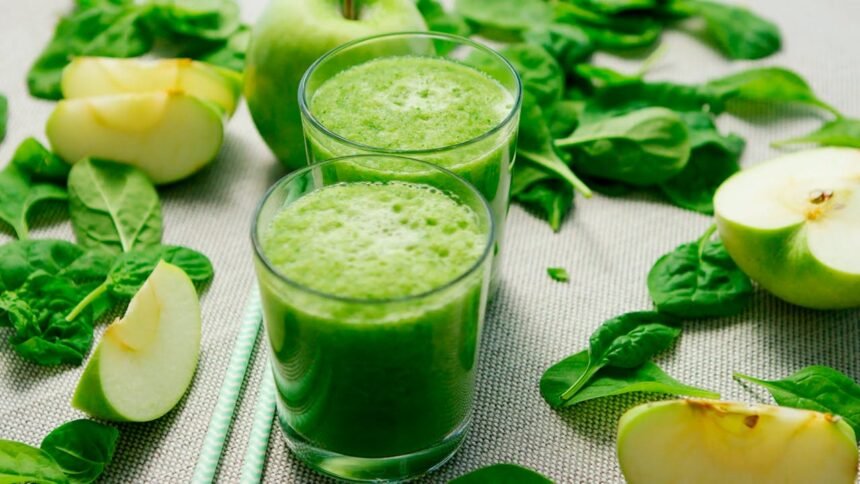
For many, the idea of sipping on a bright, emerald-coloured beverage might feel a bit intimidating. However, green smoothies have transitioned from a niche health-food trend to a staple of plant-based nutrition for millions. Unlike traditional fruit juices, these blended powerhouses retain the whole plant, providing a convenient and delicious way to significantly increase your daily nutrient intake.
Whether you are looking for a natural energy boost to kickstart your morning or a nutrient-dense meal replacement on a busy afternoon, understanding how to balance these drinks is key to reaping their rewards. In this guide, we will explore the science-backed benefits, common pitfalls, and the perfect formula for a health-optimising blend.
What Exactly Are Green Smoothies?
At their core, green smoothies are a blend of leafy greens, liquid, and fruit. The primary distinction between a smoothie and a juice is the presence of dietary fibre. While juicing removes the pulp, blending keeps it intact. According to the Mayo Clinic, fibre is essential for maintaining a healthy weight and lowering your risk of diabetes and heart disease.
Because they are antioxidant-rich, these drinks help combat oxidative stress in the body. By utilising ingredients like raw spinach or kale, you are delivering a concentrated dose of vitamins and minerals directly to your system in a pre-digested, easy-to-absorb format.
The Benefits: Why You Should Go Green
Incorporating a liquid breakfast into your routine can offer several physiological advantages. Research published in Nature suggests that plant-heavy diets can positively alter the gut microbiome within days.
- Improved Digestive Health: The high fibre content helps keep the digestive tract moving, preventing constipation and supporting a healthy gut.
- Enhanced Skin Glow: Thanks to high levels of Vitamin C and E, regular consumption can improve skin elasticity and clarity.
- Stable Energy Levels: Unlike caffeine, which can lead to a crash, the complex carbohydrates in greens provide sustained energy.
- Weight Management: High-volume, low-calorie greens help you feel full for longer, reducing the urge to snack on processed foods.
Comparing Green Smoothies and Fruit Juices
It is important to understand the nutritional profile of what you are drinking. The following table highlights the key differences between blended green smoothies and standard cold-pressed fruit juices.
| Feature | Green Smoothie | Fruit Juice |
|---|---|---|
| Fibre Content | High (Whole plant used) | Very Low (Pulp removed) |
| Blood Sugar Impact | Moderate to Low | High (Fast absorption) |
| Satiety (Fullness) | High | Low |
| Nutrient Density | Very High | Moderate |
The “Golden Ratio” for a Perfect Smoothie
Many beginners make the mistake of adding too much fruit sugar (fructose), which can lead to insulin spikes. To keep your smoothie healthy, follow this simple structural formula recommended by many British Nutrition Foundation guidelines:
- The Base (200-300ml): Use water, unsweetened almond milk, or coconut water. Avoid shop-bought juices that are high in additives.
- The Greens (1-2 cups): Rotate between raw spinach, kale, or chard. Kale benefits include high levels of Vitamin K and calcium.
- The Fruit (1 cup): Opt for low-glycemic options like berries or green apples. Frozen bananas add a creamy texture without the need for dairy.
- Healthy Fats (1 tbsp): Adding healthy fats like avocado, chia seeds, or flaxseeds is vital. As noted by the Cleveland Clinic, fats are necessary for the absorption of fat-soluble vitamins (A, D, E, and K).
- Boosters (Optional): Ginger, turmeric, or a scoop of plant-based protein powder.
Managing Sugar and Oxalates
While green smoothies are incredibly healthy, it is possible to have too much of a good thing. The World Health Organization (WHO) recommends limiting “free sugars” to less than 10% of total energy intake. Even natural sugars from fruit count if consumed in excess.
Additionally, certain greens like spinach and chard are high in oxalates. For most people, this is not an issue, but for those prone to kidney stones, rotation is essential. Try swapping spinach for romaine lettuce or bok choy to vary your nutrient profile and keep your digestive health optimal. You can find more information on nutrient absorption on Healthline.
Smoothie Bowls vs. Drinks
If you find that drinking your meal doesn’t satisfy your hunger, try making a smoothie bowl. By using less liquid, you create a thick base that can be topped with nuts, seeds, and fresh fruit. The act of chewing stimulates digestive enzymes, which can lead to better satiety signals to the brain, a concept supported by research at Harvard Health.
Common Mistakes to Avoid
To ensure your smoothie remains a health tool rather than a dessert, keep these tips in mind:
1. Using sweetened milks: Always check labels for hidden sugars. According to Diabetes UK, managing total sugar load is vital for metabolic health.
2. Ignoring portion sizes: It is easy to blend 800 calories worth of fruit and nuts without realising it. Stick to the “Golden Ratio” mentioned above.
3. Not cleaning the blender immediately: This is a lifestyle tip—dried kale is notoriously difficult to remove! For safety and hygiene tips regarding food prep, visit the NHS.
4. Forgetting Protein: If you use your smoothie as a meal replacement, ensure it contains enough protein (from hemp seeds, Greek yoghurt, or powder) to support muscle maintenance, as suggested by the British Heart Foundation.
Conclusion
Green smoothies are more than just a passing fad; they are a scientifically sound method for increasing your intake of leafy greens and vital micronutrients. By balancing your blend with healthy fats and keeping an eye on fruit sugar, you can create a delicious habit that supports everything from heart health to clearer skin. Explore different combinations on BBC Good Food to keep your palate excited and your body thriving.
For more insights into the science of plant-based eating, you can browse recent studies on PubMed or stay updated via ScienceDaily.
Frequently Asked Questions (FAQs)
Can I drink green smoothies every day?
Yes, most people can enjoy green smoothies daily. However, it is important to rotate your greens (e.g., spinach one day, kale the next) to ensure a variety of nutrients and to avoid the overconsumption of specific alkaloids or oxalates found in certain plants.
Is it better to have a smoothie on an empty stomach?
Many people find that drinking a smoothie on an empty stomach in the morning provides a natural energy boost and is easy on the digestive system. However, there is no strict medical rule; the best time is whenever it fits consistently into your schedule.
Can green smoothies help with weight loss?
They can be a helpful tool for weight loss because they are high in dietary fibre and volume while being relatively low in calories. Using them to replace a high-calorie, processed breakfast can create the calorie deficit needed for weight loss while maintaining high nutrient levels.
Do I need a high-powered blender?
While a high-speed blender will provide the smoothest texture (especially for fibrous leafy greens like kale), a standard blender can work if you chop the ingredients smaller and blend the greens with the liquid first before adding the fruit.
For more detailed information on healthy dietary choices, consult WebMD for common smoothie-making errors.