We have all been there. It is 3:00 PM, your energy is flagging, and the vending machine is calling your name. However, reaching for a sugary biscuit often leads to a subsequent energy crash that leaves you feeling worse than before. Choosing the right healthy snacks is not just about calorie counting; it is about providing your body with the fuel it needs for blood sugar stability and sustained focus.
According to the NHS healthy eating tips, a balanced diet is the cornerstone of wellbeing. When you integrate nutrient-dense bites into your daily routine, you support your metabolic health and keep hunger pangs at bay. In this guide, we will explore how to master the art of snacking using whole food snacks that actually taste good.
The Science of Smart Snacking
Snacking has earned a bit of a bad reputation, but it can be a vital part of a healthy lifestyle. The key lies in snacking sensibly. When we go too long without eating, our glucose levels drop, which can trigger overeating at dinner. By choosing high-fibre choices and protein-rich foods, you improve satiety—the feeling of fullness that prevents mindless grazing.
Research published in Nature suggests that the quality of your snacks significantly impacts your overall nutrient intake. Instead of processed “diet” foods, focusing on complex carbohydrates and healthy fats helps maintain steady energy throughout the day.
Top 10 Healthy Snacks for Any Occasion
If you are looking for a quick energy boost, try these simple, effective combinations:
- Apple slices with nut butters: This duo provides a perfect mix of fibre and healthy fats.
- Greek yoghurt with berries: A bowl of Greek yoghurt is an excellent source of calcium and protein.
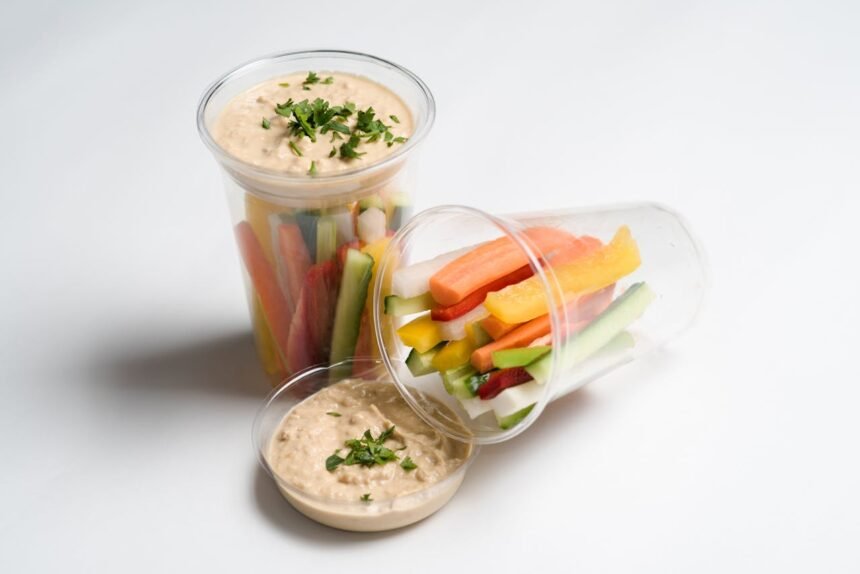
- Hummus and carrot sticks: A classic savoury option that is rich in plant-based protein.
- Boiled eggs: A portable, protein-packed snack that supports muscle repair.
- Mixed nuts: A handful of raw almonds or walnuts offers heart-healthy fats.
- Cottage cheese with pineapple: A refreshing way to hit your protein targets.
- Roasted chickpeas: A crunchy, high-fibre alternative to crisps.
- Oatcakes with avocado: Provides slow-release energy from complex grains.
- Edamame beans: These are great for portion control and are fun to eat.
- Dark chocolate (at least 70%): A small square can satisfy sweet cravings without the sugar spike.
Snack Comparison: Smart Swaps
Sometimes, we think we are making healthy choices when we are actually consuming hidden sugars. Use the table below to compare common options.
| Snack Type | The “Convenience” Choice | The Healthy Alternative | Key Benefit |
|---|---|---|---|
| Savoury | Potato Crisps | Air-popped Popcorn | Lower calorie, higher fibre |
| Sweet | Milk Chocolate Bar | Dates with Almonds | Natural sugars and minerals |
| Creamy | Flavoured Low-fat Yoghurt | Plain Greek Yoghurt | Probiotics and more protein |
| Crunchy | Rice Cakes (White) | Wholemeal Oatcakes | Slower energy release |
Managing the Afternoon Slump
The afternoon slump usually occurs because of a dip in cortisol or a reaction to a high-carb lunch. To combat this, you need snacks that support blood sugar stability. Controlling blood sugar spikes is essential for consistent productivity.
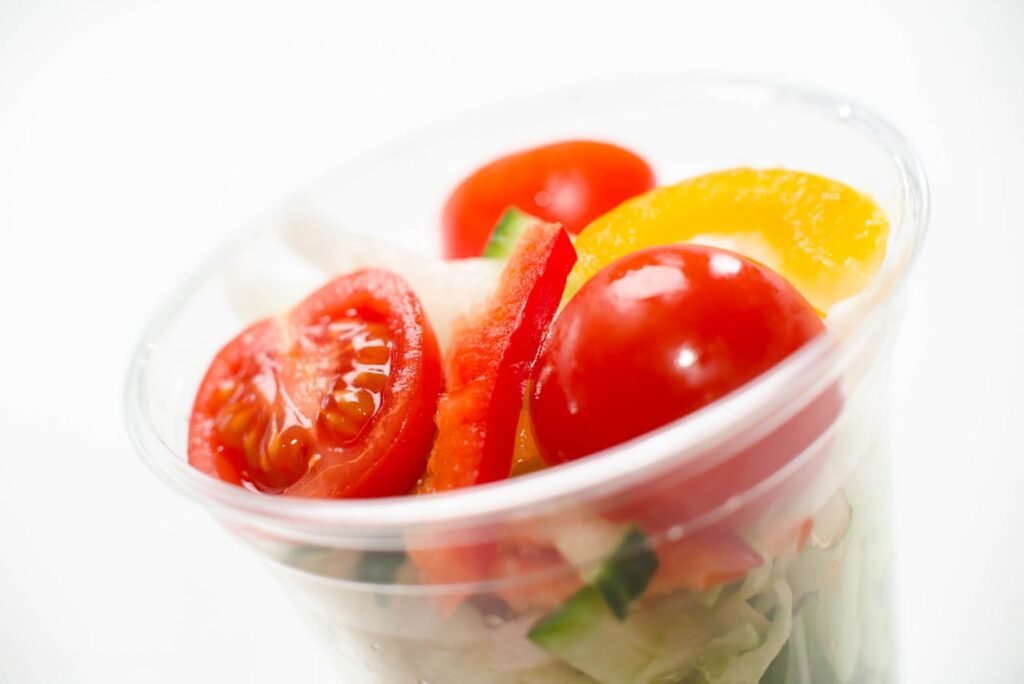
Rather than reaching for caffeinated drinks, consider low-calorie options that are high in water content, such as cucumber slices or celery. Staying hydrated is also a key component of mindful eating; often, we mistake thirst for hunger. The British Dietetic Association recommends listening to your body’s internal cues rather than eating out of boredom.
How to Practise Mindful Eating
It is not just what you eat, but how you eat it. Practising mindful eating can prevent over-consumption. The Academy of Nutrition and Dietetics suggests several strategies to improve your relationship with food:
- Avoid distractions: Don’t snack while scrolling through your phone or watching television.
- Check the label: Use the Food Standards Agency guidelines to identify hidden salts and sugars.
- Portion your snacks: Instead of eating out of a large bag, put a single serving in a small bowl to aid portion control.
- Chew slowly: This gives your brain time to receive the “fullness” signal from your gut.
Expert Tips for Long-term Success
Healthier habits are easier to maintain when they are convenient. Research from the University of Cambridge indicates that environmental changes, such as keeping healthy food visible, can lead to better choices. Stock your fridge with pre-cut vegetables and your desk drawer with nut butters and seeds.
Furthermore, the American Heart Association emphasizes that choosing whole food snacks over ultra-processed ones can reduce the risk of heart disease. Incorporating more plant-based protein sources, like lentils or soy-based snacks, is also associated with better cardiovascular outcomes, as noted in the American Journal of Clinical Nutrition.
Remember that a healthy diet doesn’t mean perfection. If you are living with specific conditions, such as diabetes, you may need to be more selective. Diabetes UK offers excellent resources for healthy snacks that won’t disrupt your insulin levels.
Frequently Asked Questions (FAQs)
What is the healthiest snack for weight loss?
The best healthy snacks for weight loss are those high in fibre and protein, such as Greek yoghurt or raw vegetables with hummus. These increase satiety and keep you full for longer. For more guidance, see the WHO healthy diet fact sheet.
Is popcorn a healthy snack?
Yes, air-popped popcorn is a great low-calorie option. It is a whole grain and provides significant fibre. However, avoid pre-packaged versions loaded with butter, sugar, or excessive salt. Check the British Nutrition Foundation for more on the benefits of fibre.
How many snacks should I have a day?
There is no “one size fits all” answer. Most experts suggest one to two snacks between meals to manage hunger. The goal is to avoid the afternoon slump without exceeding your daily energy requirements. Focus on nutrient-dense bites rather than empty calories, as suggested by Mayo Clinic nutrition experts.
Can snacks improve my metabolic health?
Absolutely. By choosing snacks that prevent sharp insulin spikes—such as nuts, seeds, and non-starchy vegetables—you support metabolic health. Consistent energy levels help your body process fuel more efficiently. For deeper insights, you can review studies on satiety and metabolism.