In an increasingly digital world, many of us feel a growing disconnect from the land that sustains us. Perhaps you have walked past a lush green hedgerow and wondered if those berries were edible, or noticed a cluster of mushrooms and questioned their safety. Enrolling in a wild foraging course is more than just a survival skill; it is a pathway to nature connection, improved mental health, and a more sustainable lifestyle.
Foraging—the act of searching for and gathering wild food—has seen a massive resurgence in the UK. This “rewilding” of our palates allows us to rediscover seasonal produce that hasn’t been flown across the globe. According to research published in The Lancet, spending time in green spaces and engaging in forest bathing significantly reduces cortisol levels and improves overall well-being.
Why Should You Take a Wild Foraging Course?
While you can learn a lot from books, nothing replaces the hands-on experience of an expert-led wild foraging course. Identifying edible plants involves more than just sight; it requires a sensory engagement with smell, touch, and even the specific habitat of the plant.
Experienced instructors guide you through local ecosystems, teaching you the nuances of plant identification that a simple photo might miss. Moreover, a course ensures you understand foraging safety, protecting you from lookalikes that could cause severe gastrointestinal distress or worse. Guidance from organizations like the NHS highlights the importance of never consuming a wild plant unless you are 100% certain of its identity.
The Benefits of Professional Instruction
- Expert Knowledge: Learn from members of the Association of Foragers who follow strict codes of conduct.
- Hands-on Practice: Distinguish between a delicious wild garlic leaf and the toxic Lily of the Valley.
- Sustainable Harvesting: Understand how to take only what you need, ensuring the plant population thrives.
- Recipe Ideas: Discover how to turn your finds into gourmet meals, from nettle soup to elderflower cordial.
Choosing the Right Foraging Experience
Not all courses are created equal. Depending on your location and interests, you might prefer hedgerow foraging in the countryside or coastal foraging along the British shoreline. Each environment offers a unique flavour profile and set of challenges.
Before booking, consider what you want to achieve. Are you interested in medicinal herbs, or are you focused on mushroom identification? Many courses incorporate elements of bushcraft skills, teaching you how to prepare your food over an open fire, which adds an extra layer of nature connection to the day.
Comparing Foraging Course Types
To help you decide, here is a comparison of common foraging course structures:
| Course Type | Focus Area | Best For | Time Commitment |
|---|---|---|---|
| Hedgerow Walk | Berries, leaves, and nuts | Beginners and families | 2–4 Hours |
| Coastal Foraging | Seaweeds and shellfish | Seafood lovers | Full Day |
| Mushroom Intensive | Fungi and spores | Intermediate foragers | Full Day or Weekend |
| Wildcrafting & Medicine | Tinctures and balms | Holistic health enthusiasts | Weekend Workshop |
Safety First: The Golden Rule of Foraging
The most critical aspect of any wild foraging course is foraging safety. The Food Standards Agency provides clear guidelines on why caution is paramount. Some wild plants contain toxins that the human body cannot process.
In a professional setting, you will learn to utilise “keys” for identification. You will also learn about ethical foraging, which involves respecting the Natural England guidelines and the Countryside Act. It is illegal to uproot any wild plant without the landowner’s permission.
- Never munch on a hunch: If there is even 1% doubt, leave it out.
- Avoid polluted areas: Do not forage near busy roads or industrial sites where plants may absorb toxins.
- Check the law: Understand where you are allowed to forage by consulting the Wildlife Trusts guidelines.
Seasonal Foraging: What to Look For
Foraging is an exercise in patience and timing. Your wild foraging course will likely vary significantly depending on the time of year. Each season offers different seasonal produce and medicinal herbs.
Spring: The Season of Greens
Spring is the best time for edible plants like wild garlic, nettles, and cleavers. These plants are often used in traditional wildcrafting for their blood-purifying properties. You can learn more about the botanical properties of these species through the Royal Botanic Gardens, Kew.
Summer: Flowers and Coastal Delights
During the warmer months, foragers focus on elderflowers, lime leaves, and various seaweeds. Coastal foraging becomes particularly rewarding as the tides reveal nutrient-dense sea vegetables. The Royal Horticultural Society (RHS) offers excellent resources on identifying edible flowers during this period.
Autumn: The Great Harvest
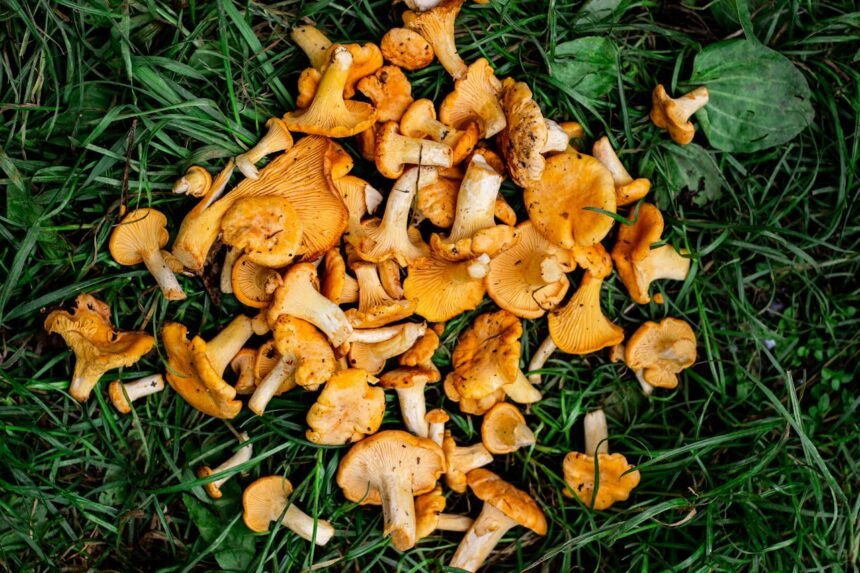
This is the prime time for mushroom identification and gathering nuts and berries. From blackberries to porcini mushrooms, the woods are full of life. However, fungi require extreme caution; the British Mycological Society recommends expert supervision for all beginner fungiphiles.
The Ecological Impact of Foraging
As foraging grows in popularity, sustainable harvesting has never been more important. Over-foraging can damage local ecosystems and deprive wildlife of essential food sources. A reputable wild foraging course will teach you to pick in a way that encourages regrowth.
Organizations like The Woodland Trust and Forestry England work tirelessly to protect our woodlands while allowing for responsible public enjoyment. By following their lead, we can ensure that future generations can also enjoy the thrill of finding wild food.
For those interested in the culinary side, BBC Good Food provides excellent advice on how to store and cook your finds without losing their delicate nutritional value. For a deeper dive into the specific species found in the UK, Eatweeds is an invaluable resource for any budding forager.
Frequently Asked Questions (FAQs)
Is foraging legal in the UK?
Generally, it is legal to forage the “four Fs” (fruit, foliage, fungi, and flowers) for personal use on most public land. However, it is illegal to forage for commercial gain without a license or to uproot plants. Always check local bylaws and the impact on biodiversity before you begin.
Do I need special equipment for a wild foraging course?
Most courses require only sturdy walking boots and weather-appropriate clothing. Some instructors may suggest bringing a basket (to allow mushroom spores to drop as you walk), a small knife, and a notebook for recording your observations of edible plants.
Can kids attend a foraging course?
Absolutely! Many providers offer family-friendly wild foraging courses. It is a fantastic way to teach children about nature connection and where their food comes from. However, children must be strictly supervised to ensure they do not consume anything without adult approval.
What happens if I accidentally eat a poisonous plant?
If you suspect you have ingested something toxic, seek medical attention immediately. Contact the Mayo Clinic or call 999/111 in the UK. Bringing a sample of the plant or a clear photo can help medical professionals provide the correct treatment.
The Bottom Line
Participating in a wild foraging course is a transformative experience. It sharpens your senses, provides free and nutritious food, and fosters a deep respect for the environment. Whether you are interested in sustainable harvesting or simply want a weekend of forest bathing, there is no better way to rediscover the magic of the natural world.