When we think of salmon, we often imagine the dramatic leap against a rushing waterfall. However, the most critical chapter of their lives happens quietly beneath the water’s surface, in meticulously crafted nests known as redds. For conservationists and researchers, performing a salmon redd count is more than just a routine observation; it is a vital diagnostic tool for the health of our waterways.
A redd is a depression in the gravel created by a female salmon using her tail to clear away silt and debris. These nests protect the eggs from predators and ensure they receive enough oxygen from flowing water. By monitoring these sites, scientists can estimate fish populations and the success of recent spawning grounds. In this guide, we will explore the science behind these counts and why they matter for our environment.
What Exactly is a Salmon Redd?
Before diving into the numbers, it is essential to understand the biology. During the spawning season, salmon travel from the ocean to their natal rivers. Once they reach suitable gravel beds, the female turns on her side and vigorously flaps her tail. This action creates a pocket in the riverbed where she deposits her eggs, which are then fertilised by the male.
The resulting salmon redd count provides a visual indicator of how many pairs have successfully reached their destination. These nests are often visible to the naked eye as lighter-coloured patches on the river floor, as the cleaning process removes algae and fine sediment load from the stones.
The Science Behind the Salmon Redd Count
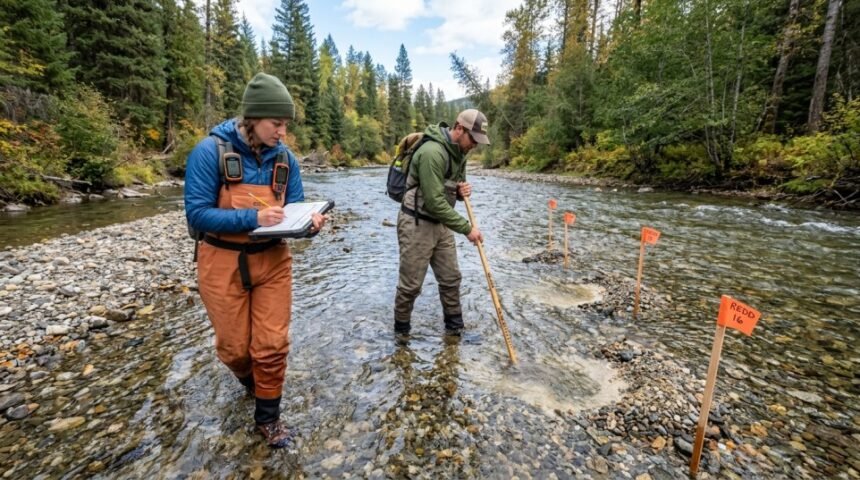
Conducting a salmon redd count is a skilled task that requires patience and precision. Experts often use a combination of methods to ensure the data is robust. These include:
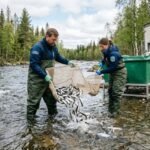
- Ground Surveys: Biologists wade through or walk along riparian zones to identify and map each nest.
- Aerial Surveys: Drones or helicopters are used for large, inaccessible river ecosystems to spot redds from above.
- Hydrological Mapping: Assessing riverbed stability to see if the nests can survive winter floods.
By tracking these numbers over several decades, organisations like the Nature Journal can identify trends in declining or recovering species. This data is fundamental for planning habitat restoration projects that aim to revive struggling wild fish stocks.
Comparison of Spawning Characteristics
Different species of salmon have varying requirements for their nests. The following table highlights the differences between two of the most common species monitored during a salmon redd count.
| Feature | Atlantic Salmon | Pacific Salmon (Chinook) |
|---|---|---|
| Preferred Gravel Size | Medium (2–6 cm) | Large (5–15 cm) |
| Water Depth | 15–50 cm | 30–150 cm |
| Average Redd Size | 1–2 square metres | 2–10 square metres |
| Survival Strategy | Iteroparous (can spawn multiple times) | Semelparous (spawn once then die) |
Why Counting Redds is Essential for Conservation
Why do we put so much effort into a salmon redd count? The answer lies in the predictive power of the data. High redd counts usually correlate with healthy future generations, whereas a sharp decline can signal environmental distress. Factors such as rising water temperature and industrial pollution can prevent salmon from reaching their traditional spawning grounds.
According to research highlighted by ScienceDirect, the physical structure of the redd itself influences the survival rate of the embryos. If the sediment load is too high, the eggs may suffocate. Therefore, counting redds also allows researchers to assess the quality of the substrate in the river.
Furthermore, conservation efforts are often funded based on these counts. If a particular river shows a consistently low salmon redd count, government bodies like the Environment Agency may intervene with protective measures, such as limiting fishing or restoring the natural flow of the water.
Modern Innovations in Tracking
In recent years, traditional counting has been supplemented by environmental DNA (eDNA) testing. This allows scientists to detect the presence of salmon simply by sampling the water, as noted by the Royal Society. While eDNA tells us if the fish are there, the salmon redd count tells us if they are successfully reproducing.
- Site Selection: Identifying areas with optimal flow and oxygenation.
- Observation: Marking the GPS coordinates of each redd.
- Validation: Comparing current data with historical records from NOAA Fisheries.
- Action: Implementing local habitat restoration if counts are unexpectedly low.
Threats to Successful Spawning
Even when a salmon redd count looks promising, several factors can threaten the eggs. Climate change is a primary concern; as explained by WWF, warmer waters hold less oxygen, which is fatal for developing larvae. Additionally, urban runoff can introduce toxins into the river ecosystems, damaging the delicate biological balance.
Deforestation near riparian zones can also lead to increased erosion. Without trees to stabilise the banks, silt washes into the river, burying the gravel beds and destroying the nests. This makes the work of local trusts, such as The Wildlife Trusts, critical in maintaining the integrity of these habitats.
The Human Impact and What You Can Do
As individuals, we can play a role in supporting healthy fish populations. Supporting organisations like The Rivers Trust helps fund the boots-on-the-ground work required for a comprehensive salmon redd count. Public awareness is equally important; understanding that a “messy” looking riverbed might actually be a nursery for thousands of wild fish helps prevent accidental disturbance by waders or dogs.
The National Geographic often highlights how interconnected our world is; the health of the salmon reflects the health of the entire forest, as decaying salmon carcasses provide vital nutrients to the soil and surrounding vegetation.
Frequently Asked Questions (FAQs)
What is the best time of year for a salmon redd count?
In the UK, the best time typically falls between late autumn and early winter, usually from October to January, depending on the species and local weather conditions. This is when Atlantic salmon are most active in their spawning grounds.
How can you tell a redd apart from a natural hole in the river?
A redd usually has a distinct shape, consisting of a “pit” (the depression) and a “tailspill” (the mound of gravel behind it). The stones in a redd also appear cleaner and brighter than the surrounding riverbed because the female salmon has scrubbed away the fine silt.
Do all salmon die after they make a redd?
Most Pacific salmon species are semelparous, meaning they die shortly after spawning. However, Atlantic salmon are iteroparous and can occasionally survive the journey back to the sea to spawn again in future years, though the mortality rate remains high.
Conclusion
The salmon redd count remains one of our most effective ways to listen to the heartbeat of our rivers. By understanding the intricate needs of these fish—from water temperature to riverbed stability—we can ensure that our conservation efforts are grounded in reality. As we look to the future, protecting these gravel beds is not just about saving a species; it is about preserving the vitality of our natural world for generations to come. For more information on biodiversity, visit NatureScot or the U.S. Fish and Wildlife Service.
For further reading on the biological mechanisms of aquatic life, explore resources from Springer Nature and Cell Press.