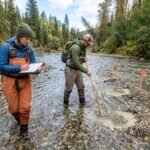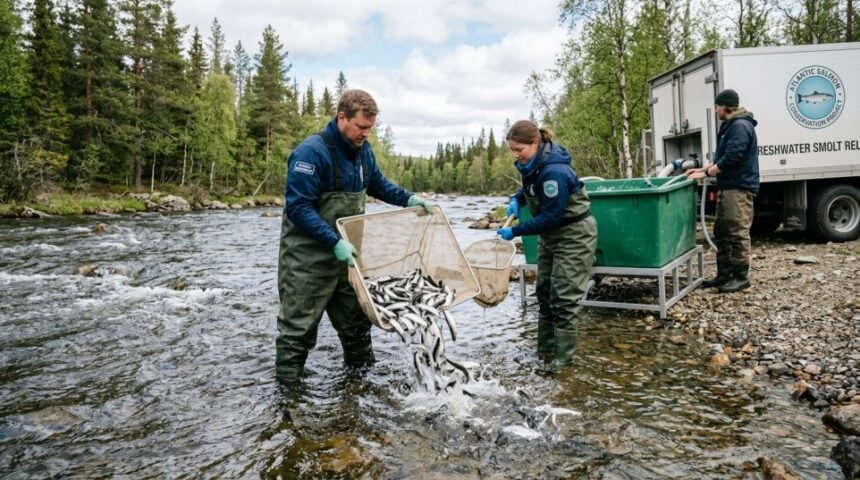
The Atlantic salmon (Salmo salar) has long been known as the “King of Fish,” a title earned through its incredible endurance and vital role in our ecosystems. However, in recent decades, wild salmon populations have faced a precipitous decline across the globe. From the rivers of Scotland to the coasts of Norway, these iconic fish are battling a cocktail of climate change, pollution, and habitat degradation. This has led many conservationists to ask: is restocking atlantic salmon the ultimate solution to prevent biodiversity loss?
In this guide, we explore the science behind restocking programmes, the challenges of maintaining gene pool diversity, and how we can all contribute to a future where our rivers teem with life once again.
Why Restocking Atlantic Salmon is More Important Than Ever
For centuries, the salmon life cycle has been a marvel of nature. These “anadromous” fish are born in freshwater, migrate to the ocean to feed and grow, and then return to their exact spawning grounds to reproduce. Today, that journey is more hazardous than ever. According to the IUCN Red List, Atlantic salmon are facing significant pressure in many regions due to barriers like dams and the warming of river ecosystems.
Restocking is essentially an intervention programme where fish are bred in fish hatcheries and later released into the wild. This process aims to bolster numbers where natural reproduction is no longer sufficient. Beyond environmental reasons, salmon are a nutritional powerhouse. The NHS recommends eating oily fish like salmon for its high Vitamin D and protein content, while the Mayo Clinic highlights the importance of omega-3 fatty acids for cardiovascular health.
The Benefits and Drawbacks of Restocking
While restocking atlantic salmon might seem like a simple fix, it is a complex biological puzzle. To understand the impact, we must weigh the immediate benefits against the long-term ecological consequences.
| Feature | Benefits of Restocking | Challenges & Risks |
|---|---|---|
| Population Density | Rapidly increases the number of fish in depleted rivers. | May lead to overcrowding and competition for food. |
| Genetic Health | Can prevent local extinction in specific areas. | Risk of “genetic dilution” if hatchery fish breed with wild ones. |
| Economic Impact | Supports sustainable fishing and local tourism. | Expensive to maintain high-quality hatchery facilities. |
| Success Measurement | Easy to track released numbers. | Low marine survival rates often negate early gains. |
The Science of Successful Restocking
Effective restocking atlantic salmon involves more than just dumping fish into a river. Modern methods involve sophisticated technologies like environmental DNA (eDNA) to monitor existing populations and water temperature monitoring to ensure the habitat can support new arrivals. Research published in Nature suggests that the genetic makeup of hatchery-reared fish is crucial for their survival in the wild.
The process typically follows these stages:
- Broodstock Collection: Capturing wild adults to ensure the offspring are locally adapted.
- Hatchery Rearing: Fertilising eggs and raising them to the “fry” or “parr” stage in a controlled environment.
- Smoltification: Preparing the fish for their transition from freshwater to saltwater.
- Strategic Release: Placing the fish in optimal river ecosystems where they have the best chance of survival.
Improving Smolt Survival
One of the biggest hurdles is smolt survival. As salmon transition to the sea, they are vulnerable to predators and environmental shifts. Organisations like NOAA emphasize that habitat restoration—such as removing old dams and improving water quality—must go hand-in-hand with restocking to ensure long-term success. Understanding fish migration patterns through satellite tagging has also helped scientists release fish at the most opportune times.
The Critical Role of Habitat Restoration
We cannot talk about restocking atlantic salmon without addressing the environment they live in. If the water is too warm or polluted, no amount of restocking will save the species. According to the EPA, maintaining high water quality standards is non-negotiable for freshwater health.
Key restoration activities include:
- Riparian Buffers: Planting trees along riverbanks to provide shade and lower water temperatures.
- Removing Barriers: Taking down redundant weirs to open up historical spawning grounds.
- Pollution Control: Reducing agricultural runoff that causes harmful algal blooms.
The World Wildlife Fund (WWF) notes that freshwater ecosystems are among the most threatened on Earth, making these efforts vital for all aquatic life, not just salmon.
The Ethics of Sustainable Fishing
Anglers play a massive role in conservation. Many regions now mandate catch and release policies to ensure that wild spawners remain in the river. Organisations like WildFish advocate for prioritising wild stock over hatchery-dependent systems to maintain the natural resilience of the species. Furthermore, the Food and Agriculture Organization (FAO) highlights that sustainable fishing practices are essential to balance human needs with environmental protection.
Government bodies, such as the Environment Agency in the UK and the Marine Management Organisation, work tirelessly to regulate these activities and ensure that restocking atlantic salmon programmes are based on the latest scientific evidence provided by institutions like The Royal Society.
Looking to the Future: Innovation in Conservation
The future of restocking atlantic salmon lies in innovation. From using environmental DNA to track elusive populations to implementing artificial intelligence in fish hatcheries, technology is giving us the tools to be better stewards of our rivers. As UNESCO advocates for global water security, the protection of indicator species like the Atlantic salmon becomes a benchmark for our success in combatting the climate crisis. For those interested in the deeper biological mechanics, ScienceDirect offers a wealth of peer-reviewed studies on salmonid genetics and aquaculture.
Ultimately, restocking is a bridge—a way to support wild salmon populations until we can restore our rivers to their natural, self-sustaining glory. By combining scientific precision with a passion for nature, we can ensure that the “King of Fish” continues its legendary journey for generations to come.
Frequently Asked Questions (FAQs)
Does restocking always work for Atlantic salmon?
Not necessarily. While restocking atlantic salmon can boost numbers in the short term, its success depends on the quality of the river habitat. If the underlying issues—like pollution or high temperatures—aren’t fixed, the released fish may not survive to spawn.
Is hatchery salmon the same as wild salmon?
While they are the same species, hatchery salmon can lack some of the survival instincts and gene pool diversity of their wild counterparts. This is why modern programmes use wild “broodstock” to keep the offspring as naturally adapted as possible.
How can I help with salmon conservation?
You can support habitat restoration by volunteering with local river trusts, practicing catch and release when fishing, and reducing your use of water and plastics to help improve overall river ecosystems.
What is the biggest threat to Atlantic salmon today?
Climate change is currently the greatest threat, as it affects marine survival rates and leads to rising river temperatures, which can be fatal during the salmon life cycle.