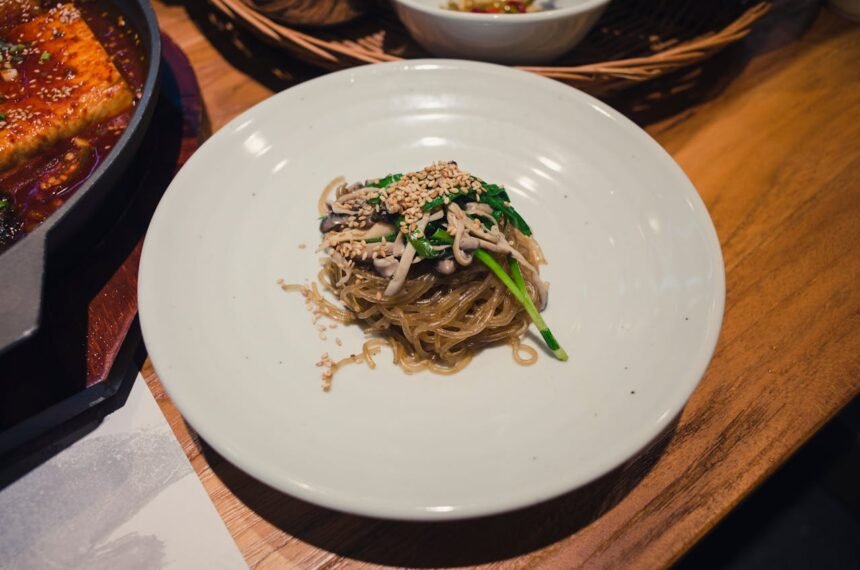
If you are searching for a low-carb pasta alternative that doesn’t leave you feeling heavy or bloated, look no further than kelp noodles. These seaweed noodles have gained massive popularity in the wellness community, appearing frequently in keto-friendly recipes and paleo dinner ideas. Made from the jelly-like extract left after steaming edible kelp, they are virtually calorie-free, gluten-free, and incredibly versatile.
In this guide, we will explore the best kelp noodles recipes to revitalise your meal prep, while diveing into why these nutrient-dense ingredients are a staple for anyone prioritising weight management meals and thyroid health.
What Are Kelp Noodles?
Kelp noodles are clear, thin noodles made from kelp (a type of brown seaweed), sodium alginate (a salt derived from seaweed), and water. Unlike traditional wheat pasta, they require no cooking. In their raw state, they have a crunchy texture, but with a simple preparation trick, they can become as soft and supple as glass noodles or al dente pasta.
According to the Harvard T.H. Chan School of Public Health, seaweed is a sustainable and highly nutritious food source. It is particularly known for being one of the best iodine-rich foods, which is essential for maintaining a healthy metabolism through the thyroid gland.
Nutritional Comparison: Kelp Noodles vs. Traditional Pasta
To understand why these are a favourite for low-calorie meal ideas, let’s look at the data:
| Nutrient (per 100g) | Kelp Noodles | Cooked Spaghetti (Wheat) |
|---|---|---|
| Calories | ~6 kcal | ~158 kcal |
| Carbohydrates | 1-2g | 31g |
| Fibre | 1g | 1.8g |
| Gluten-Free | Yes | No |
How to Soften Kelp Noodles
The secret to the best kelp noodles recipes lies in the preparation. If you eat them straight from the packet, they are very crunchy. To achieve a pasta-like texture for an anti-inflammatory diet, follow these steps:
- Rinse the noodles thoroughly in cool water to remove the preserving liquid.
- Place them in a bowl and cover with warm water.
- Add 1 tablespoon of lemon juice and 1 teaspoon of baking soda.
- Massage the noodles for 30-60 seconds until they soften.
- Rinse again and drain.
5 Delicious Kelp Noodles Recipes to Try
1. Creamy Sesame Peanut Kelp Noodles
This is a classic Asian-inspired noodle dish that satisfies cravings for satay. It is perfect for a quick lunch or a chilled vegan-friendly cooking option.
- The Sauce: Whisk together peanut butter, tamari (for gluten-free noodles), lime juice, sesame oil, and a pinch of chilli flakes.
- The Base: Toss softened kelp noodles with shredded carrots, purple cabbage, and edamame.
- Top Tip: Use natural peanut butter to keep it within paleo dinner ideas guidelines.
2. Low-Carb Kelp Noodle Pesto Pasta
If you miss Italian flavours, this dish provides all the satisfaction without the carb load. The gut health benefits of fresh basil and garlic are an added bonus.
Simply toss your softened noodles in a homemade pesto made from basil, pine nuts, garlic, olive oil, and nutritional yeast (or parmesan). Add cherry tomatoes and grilled chicken or tofu for a complete weight management meal.
3. Miso Ginger Kelp Noodle Soup
For a warming, nutrient-dense dinner, kelp noodles work perfectly in broths. Since they don’t get soggy, they are excellent for meal prepping. The NHS highlights the importance of minerals like iodine found in kelp for general wellness.
Simmer miso paste, fresh ginger, and garlic in vegetable stock. Add the noodles at the very end to just warm them through. This fits perfectly into a raw food diet if the broth is kept at a low temperature.
4. Keto Garlic Butter “Shrimp Scampi”
This is a luxurious keto-friendly recipe. Sauté prawns (shrimp) in plenty of butter, garlic, and parsley. Throw in the softened kelp noodles and toss for two minutes. The noodles soak up the buttery sauce beautifully, making it a sophisticated low-carb pasta alternative.
5. Spicy Almond Butter Stir-fry
Stir-frying kelp noodles is easy because they don’t stick to the pan. Sauté broccoli, bell peppers, and snap peas. Add the noodles and a sauce made of almond butter, ginger, and sriracha. Using almond butter aligns with an anti-inflammatory diet better than processed seed oils.
The Health Benefits of Kelp Noodles
Beyond being a great culinary tool, kelp noodles offer significant physiological advantages. Research published in Nature.com suggests that bioactive compounds in seaweed may have antioxidant properties.
1. Thyroid Support
Kelp is naturally high in iodine. As noted by Thyroid UK, iodine is critical for the production of thyroid hormones which control the body’s metabolism. However, balance is key, so always consult a professional if you have pre-existing thyroid conditions.
2. Blood Sugar Management
Because they have a near-zero glycaemic index, kelp noodles are an excellent choice for those managing diabetes or following a strict low-carb regime. The Mayo Clinic supports low-carb diets for improving blood sugar levels and weight loss.
3. Digestive Health
The sodium alginate in kelp noodles acts as a source of dietary fibre. According to the British Nutrition Foundation, adequate fibre intake is vital for preventing constipation and supporting a healthy microbiome, contributing to overall gut health benefits.
Where to Buy and How to Store
You can find kelp noodles in the refrigerated section of health food shops or in the Asian aisle of larger supermarkets. They are also widely available online. For those living with Coeliac disease, ensure the brand is certified, as recommended by Coeliac UK.
Once opened, store them in a container submerged in water in the fridge. They can stay fresh for up to two weeks, making them a convenient staple for vegan-friendly cooking.
Scientific Insights into Seaweed Consumption
Medical literature frequently discusses the benefits of marine-based diets. For instance, PubMed studies have indicated that alginates found in kelp can reduce fat absorption by the body. Furthermore, the World Health Organisation (WHO) encourages the diversification of protein and mineral sources, where seaweed fits perfectly.
The British Heart Foundation also promotes reducing salt intake; using the natural salinity of kelp can help season dishes without adding excessive table salt. For further reading on the safety and efficacy of various diets, the Cochrane Library provides extensive systematic reviews.
Additional resources on kelp can be found at WebMD and Medical News Today, which detail the specific vitamins (like K and B-vitamins) present in seaweed. For those interested in the culinary science of noodle textures, ScienceDirect offers a deep dive into the properties of alginate gels.
Finally, general health enthusiasts can find more seaweed-specific nutrition guides on Healthline.
Frequently Asked Questions (FAQs)
Do kelp noodles taste like seaweed?
Actually, no! Kelp noodles are very neutral in flavour. They act like a sponge, absorbing the flavours of whatever sauce or dressing you use in your kelp noodles recipes. This makes them much more versatile than other seaweed products like nori.
Can you cook kelp noodles?
You don’t “cook” them in the traditional sense. High heat for a long duration can actually cause them to dissolve or become unpleasantly mushy. It is best to stir-fry them briefly or add them to hot soups just before serving.
Are kelp noodles safe for everyone?
While they are generally safe and healthy, their high iodine content means people with hyperthyroidism or other thyroid issues should consume them in moderation. It is always best to check with a GP if you are unsure about adding new iodine-rich foods to your diet.
How do I stop them from being crunchy?
The “lemon juice and baking soda” method mentioned earlier is the gold standard. This chemical reaction breaks down the tough outer layer of the noodles, transforming them into a soft, noodle-like texture that is perfect for any low-carb pasta alternative dish.