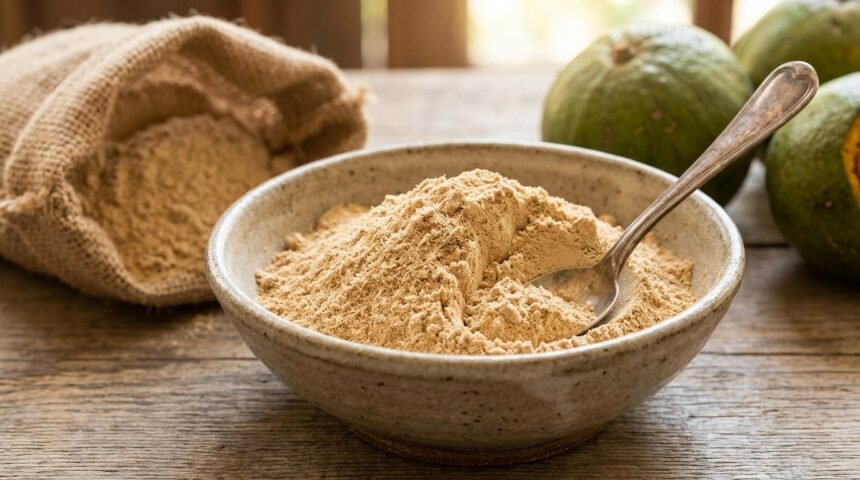
In the world of superfoods, it is rare to find a natural sweetener that actually contributes to your health rather than detracting from it. Enter lucuma. Known as the “Gold of the Incas,” this Peruvian fruit has been prized for centuries for its unique maple-like flavour and impressive nutrient density. Unlike standard table sugar, lucuma offers a subtle sweetness paired with a wealth of vitamins, minerals, and antioxidants.
Today, this superfood powder is gaining global recognition as a powerhouse ingredient for those seeking plant-based nutrition. In this guide, we will explore the science-backed lucuma powder benefits, from its impact on blood sugar levels to its role in enhancing skin health.
The Nutritional Profile of Lucuma
Lucuma is not just a source of energy; it is a complex whole food. It contains significant amounts of dietary fibre, which is essential for maintaining a healthy digestive system. Additionally, it is rich in beta-carotene, a precursor to Vitamin A, and vitamin B3 (niacin).
To understand how lucuma compares to other common sweeteners, consider the following data:
| Nutrient (per 100g) | Lucuma Powder | White Table Sugar |
|---|---|---|
| Total Sugars | Moderate (Natural) | High (Refined) |
| Fibre Content | High (approx. 25-30g) | 0g |
| Glycaemic Index | Low | High |
| Antioxidants | Significant | None |
1. Supports Stable Blood Sugar Management
One of the most celebrated lucuma powder benefits is its low glycemic index (GI). Most sweeteners cause a rapid spike in glucose, leading to an inevitable energy crash. Lucuma, however, contains complex carbohydrates and fibre that slow the absorption of sugar into the bloodstream.
Research suggests that the antioxidant properties found in lucuma may help inhibit the enzymes responsible for breaking down starch into simple sugars. This makes it an excellent choice for individuals focusing on blood sugar management and metabolic health.
2. Promotes Cardiovascular and Heart Health
Lucuma is a source of polyphenols and carotenoids, which are vital for maintaining heart health. These compounds help to protect the cardiovascular system from oxidative stress. Specifically, the presence of vitamin B3 in lucuma helps to regulate cholesterol levels, potentially reducing the risk of atherosclerosis.
Furthermore, studies on polyphenols indicate they may assist in managing blood pressure, ensuring the heart functions efficiently under various conditions.
3. Enhances Skin Health and Wound Healing
If you are looking for a natural glow, lucuma might be your new best friend. It is packed with beta-carotene, which the body converts into retinol. Retinol is a key player in skin health, promoting cellular regeneration and protecting the skin against UV-induced damage.
Interestingly, some studies have looked at the wound healing study potential of lucuma nut oil, showing it may accelerate tissue repair. While the powder is typically ingested, its internal antioxidant properties contribute to overall skin protection from the inside out.
4. Boosts Gut Health and Digestion
The high dietary fibre content in lucuma acts as a prebiotic. Prebiotics feed the beneficial bacteria in your microbiome, which is essential for robust gut health. A healthy gut is linked to better nutrient absorption and a more responsive immune system support mechanism.
Utilising lucuma regularly can help prevent constipation and ensure regular bowel movements. For more on optimising your microbiome, see these digestive health tips from experts.
5. Rich in Powerful Antioxidants
Every day, our bodies face oxidative stress from pollution, poor diet, and stress. Lucuma provides a variety of antioxidants, including xanthophylls and vitamin C. These compounds neutralise free radicals, which are unstable molecules that can damage cells.
The antioxidant activity of this Peruvian fruit is particularly unique because it offers a diverse range of phytonutrients that work synergistically to protect your DNA and cellular integrity.
6. A Nutritious Alternative to Refined Sugar
Switching to sugar alternatives is one of the most effective ways to improve your long-term health. Lucuma offers a sweetness that resembles caramel or butterscotch without the negative impact of high-fructose corn syrup. You can find more details on its nutritional properties in various scientific reviews.
How to Incorporate Lucuma Into Your Diet
Adding lucuma to your daily routine is incredibly easy due to its versatile flavour. Here are a few ways to utilise this superfood powder:
- Smoothies: Blend a tablespoon into your morning smoothie for a creamy, caramel-like finish.
- Baking: Replace a portion of sugar in recipes with lucuma powder (usually a 1:2 ratio, though you may need to adjust moisture).
- Porridge: Stir it into oats or chia pudding for a natural sweetness boost.
- Homemade Ice Cream: Lucuma is a popular ice cream flavour in South America; you can mimic this at home using frozen bananas and powder.
To learn more about the diverse world of plant-based nutrition, check out the Peruvian fruit research available on ScienceDirect.
Potential Side Effects and Considerations
While lucuma is generally considered safe for most people, those with diabetes should still monitor their blood sugar levels when introducing any new sweetener. While it has a low glycemic index, it does still contain natural sugars. Always consult a healthcare professional before making significant changes to your diet, especially if you have underlying health conditions.
For additional information on balanced eating, refer to the British Nutrition Foundation. You can also explore the broader superfood profile of lucuma to see how it fits into a holistic wellness plan.
Frequently Asked Questions (FAQs)
Is lucuma powder better than stevia?
Both have different uses. Stevia is a zero-calorie sweetener with no nutritional value, whereas lucuma provides dietary fibre, vitamins, and minerals. Lucuma has a more pleasant, caramel-like taste, but it does contain calories and some natural sugar.
Can lucuma help with weight loss?
Lucuma is not a “weight loss miracle,” but its high fibre content can promote satiety, helping you feel fuller for longer. Because it helps stabilise blood sugar levels, it may also reduce cravings for processed sugary snacks.
Does lucuma powder contain gluten?
Naturally, lucuma powder is gluten-free as it is derived solely from the Peruvian fruit. However, always check the label to ensure the product was not processed in a facility that handles wheat or other gluten-containing grains.
What does lucuma powder taste like?
Lucuma is famous for its maple-like flavour. Many people describe it as a mix between caramel, sweet potato, and butterscotch. It is sweet but far less intense than refined sugar or honey.
How much lucuma powder should I take daily?
Most experts suggest starting with 1 to 2 tablespoons per day. This is enough to enjoy the lucuma powder benefits without significantly increasing your daily carbohydrate intake.
By incorporating this ancient superfood powder into your modern lifestyle, you can satisfy your sweet tooth while nourishing your body with essential nutrients. Whether you are aiming for better gut health, improved heart health, or simply a more natural diet, lucuma is a delicious and effective choice.