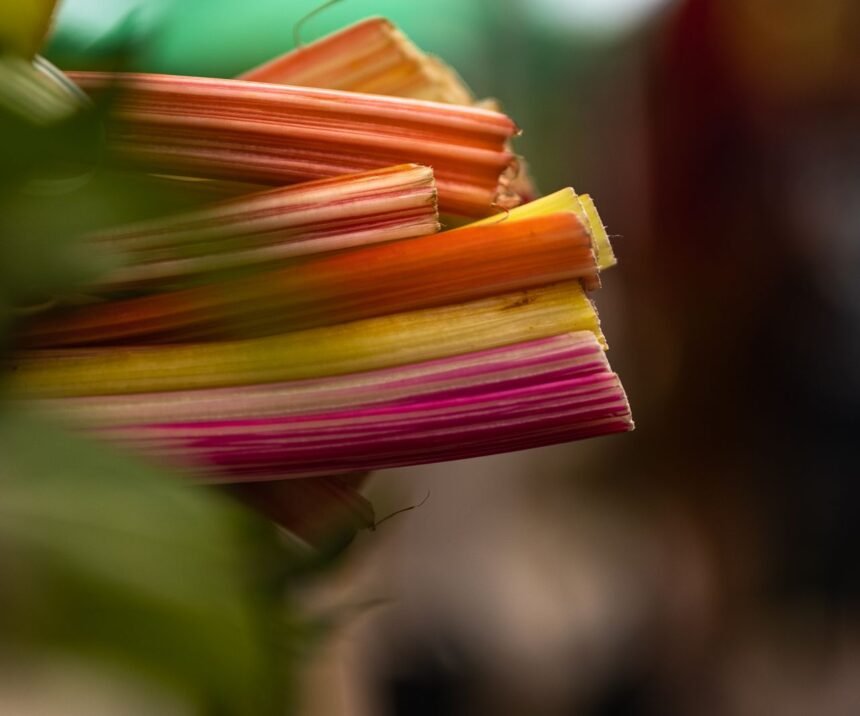
If you have ever wandered through a farmer’s market and been captivated by stalks of deep ruby, bright yellow, and neon pink, you have likely encountered the nutritional powerhouse known as Swiss chard. While it often takes a backseat to kale or spinach, mastering a few swiss chard recipes can elevate your culinary repertoire and provide a significant boost to your well-being.
As part of a balanced NHS-approved 5-a-day diet, Swiss chard offers a unique earthy flavour and a texture that holds up beautifully to heat. Whether you are looking for low-calorie recipes or hearty vegan dinner ideas, this versatile leafy green is a must-have in your kitchen. In this guide, we will explore how to prep, cook, and enjoy this vibrant vegetable.
The Nutritional Profile of Swiss Chard
Before we dive into the swiss chard recipes, it is essential to understand why this vegetable is so highly regarded by nutritionists. Swiss chard is a staple of the Mayo Clinic recommended Mediterranean diet due to its high density of vitamins and minerals.
Just one cup of cooked Swiss chard provides an incredible amount of vitamin K, which is vital for bone health and blood clotting. It is also an excellent source of magnesium benefits, aiding in muscle function and stress management. Here is how it compares to other popular greens:
| Nutrient (per 100g) | Swiss Chard (Cooked) | Spinach (Cooked) | Kale (Raw) |
|---|---|---|---|
| Vitamin K (% DV) | ~700% | ~600% | ~100% |
| Iron (mg) | 2.3mg | 3.6mg | 1.5mg |
| Calcium (mg) | 51mg | 136mg | 150mg |
| Magnesium (mg) | 86mg | 87mg | 47mg |
As you can see, incorporating iron-rich foods like chard into your meals is an excellent way to support your energy levels. For those managing specific conditions, chard is also highly recommended by Diabetes UK for its low glycaemic index and high fibre content.
Essential Tips for Preparing Swiss Chard
To get the most out of your swiss chard recipes, you must treat the leaves and the stalks as two different ingredients. The stalks are fibrous and require more cooking time, while the leaves wilt quickly, much like spinach.
- Wash thoroughly: Like all leafy greens, chard can hold onto grit. Submerge it in a bowl of cold water and swish it around before drying.
- Separate the stems: Cut the leaves away from the central rib. Sauté the chopped stems for 3-5 minutes before adding the leaves.
- Utilise the colour: If you are using rainbow chard, the stems maintain their bright hues even after cooking, making for a stunning visual presentation.
- Don’t waste the stalks: They can be pickled, added to soups, or roasted alongside other root vegetables.
Top Swiss Chard Recipes for Every Occasion
1. Simple Garlic Sautéed Swiss Chard
This is the “gateway” recipe for anyone new to this vegetable. It is one of the quickest keto-friendly greens side dishes you can make. Simply heat olive oil in a pan, add sliced garlic and the chard stems, then toss in the leaves with a splash of lemon juice at the end. Lemon helps neutralise the slightly bitter phytonutrients found in the leaves.
2. Swiss Chard and White Bean Stew
For a comforting meal that aligns with Nature’s research on dietary fibre, try a hearty stew. Combine cannellini beans, vegetable stock, diced tomatoes, and plenty of chopped chard. This is one of the best gluten-free side dishes or main courses for a rainy evening.
3. Rainbow Chard Pesto Pasta
Substitute traditional basil for blanched Swiss chard leaves to create a nutrient-dense pesto. Blend with walnuts, garlic, parmesan, and extra virgin olive oil. This is a fantastic way to sneak heart-healthy vegetables into a kid-friendly meal. The British Heart Foundation emphasises the importance of replacing saturated fats with unsaturated fats like those found in olive oil and nuts.
4. Chard and Feta Frittata
If you are looking for magnesium benefits in your breakfast, look no further. Whisk eggs with sautéed chard and crumbled feta. This high-protein, low-carb dish is perfect for meal prepping. Chard is also packed with antioxidants that help combat oxidative stress.
Why You Should Eat More Swiss Chard
The benefits of including sautéed chard in your diet extend beyond just basic nutrition. Research published by the Arthritis Foundation suggests that the pigments in rainbow chard (betalains) have potent anti-inflammatory properties. Furthermore, the Academy of Nutrition and Dietetics highlights how these phytonutrients protect our cells from damage.
Additionally, Swiss chard is a source of dietary nitrates, which have been shown to improve exercise performance and lower blood pressure. When combined with the high potassium levels found in the leaves, it becomes a powerful tool for cardiovascular health.
Creative Ways to Use Chard Stalks
- Pickled Stems: Soak them in a mixture of apple cider vinegar, sugar, and salt for a crunchy, tangy snack.
- Stalk Gratin: Bake chopped stems in a light béchamel sauce topped with breadcrumbs.
- Soup Base: Treat them like celery and use them as a base for your mirepoix.
Whether you are following vegan dinner ideas or simply trying to incorporate more iron-rich foods into your lifestyle, Swiss chard is an incredibly forgiving and rewarding ingredient. For more on the specific health benefits of these greens, check out World Health Design’s deep dive into chard’s properties.
Frequently Asked Questions (FAQs)
Can you eat Swiss chard raw?
Yes, you can eat Swiss chard raw, especially the young, tender “baby” leaves. However, mature chard has a somewhat bitter taste and a slightly tough texture that most people prefer softened through cooking. If eating raw, ensure you slice the leaves into very thin ribbons for salads.
Is Swiss chard better for you than spinach?
Both are incredibly healthy, but they offer different benefits. Spinach is generally higher in folate and vitamin A, while Swiss chard is often higher in sodium and certain antioxidants like syringic acid, which may help regulate blood sugar levels. Incorporating both into your swiss chard recipes and salads is the best approach for variety.
Does Swiss chard contain oxalates?
Like many leafy greens (including spinach and beet greens), Swiss chard contains oxalates. For most people, this is not an issue, but those prone to kidney stones may need to limit their intake. Boiling the chard and discarding the water can significantly reduce the oxalate content while maintaining most of its calcium and other minerals.
How should I store fresh Swiss chard?
To keep your chard fresh, do not wash it until you are ready to use it. Wrap the bunch in a damp paper towel and place it in a perforated plastic bag in the crisper drawer of your fridge. It should stay fresh for 3 to 5 days. If it begins to wilt, you can revive it by placing the stems in a glass of water, much like a bouquet of flowers.
By experimenting with these swiss chard recipes, you are not just adding colour to your plate; you are investing in your long-term health with one of nature’s most effective superfoods. From simple sautés to elegant pasta dishes, the possibilities are endless.