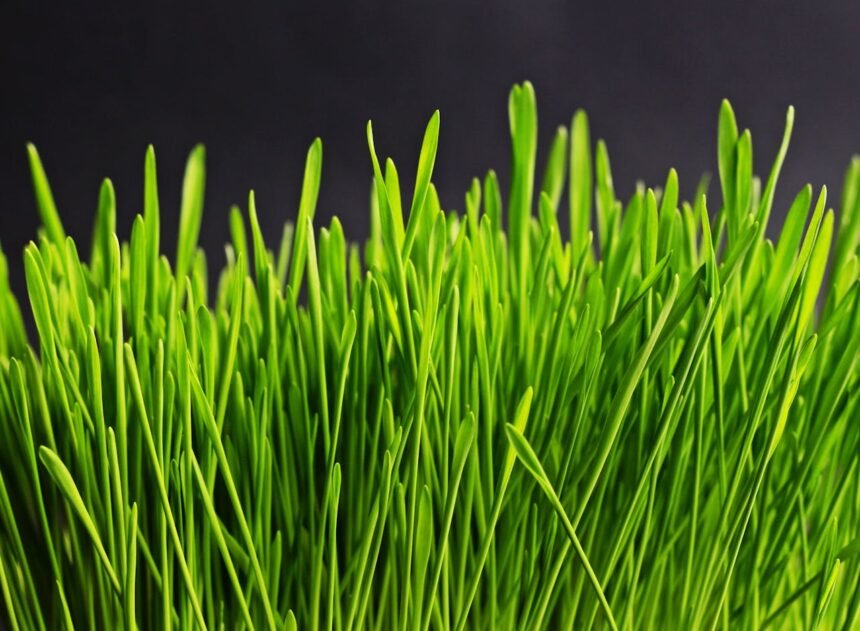
In the world of wellness, few things have maintained their “superfood” status as consistently as wheatgrass. Often referred to as liquid gold by health enthusiasts, this vibrant green juice is derived from the young organic sprouts of the common wheat plant, Triticum aestivum. While the sight of fresh trays of grass at juice bars is iconic, many people are now turning to frozen wheatgrass shots for a more convenient way to reap the rewards.
But does freezing the juice compromise its potency? In this guide, we’ll explore the science behind frozen wheatgrass shots, their impressive nutritional density, and why they might be the easiest addition to your morning routine.
What Exactly Are Frozen Wheatgrass Shots?
Frozen wheatgrass shots are essentially cold-pressed juice that has been flash-frozen immediately after extraction. This process is designed to lock in the chlorophyll content and active digestive enzymes that usually begin to degrade within minutes of juicing. By preserving the juice at sub-zero temperatures, manufacturers and home-juicers alike can maintain the integrity of the vitamins and minerals found within the plant.
According to research published on PubMed, wheatgrass is rich in vitamins A, C, and E, as well as iron, magnesium, and calcium. Freezing allows you to enjoy these wheatgrass juice benefits without the need to grow, harvest, and clean a juicer every single day.
The Top Health Benefits of Frozen Wheatgrass
Incorporating these superfood shots into your diet can offer a wide range of physiological advantages. Because the juice is harvested when the plant is at its nutritional peak, it serves as a concentrated source of fuel for your cells.
1. Potent Antioxidant Properties
Wheatgrass is packed with antioxidant properties. Antioxidants help the body fight oxidative stress and neutralise free radicals, which are linked to chronic inflammation and ageing. Studies discussed by Nature suggest that the high phenolic content in wheatgrass contributes significantly to its protective effects.
2. Natural Detoxification Support
Many people utilise wheatgrass for its detoxification support. The high levels of chlorophyll are thought to help cleanse the liver and assist the body in eliminating toxins. While the NHS notes that our bodies have built-in detox systems (the liver and kidneys), providing the body with nutrient-dense fuel can support these natural processes.
3. Improved Energy Levels
By increasing the oxygen-carrying capacity of the blood—a feat attributed to its structural similarity to haemoglobin—many users report a significant lift in energy levels after regular consumption. Unlike caffeine, this energy boost is steady and lacks the “crash” associated with stimulants.
4. Immune System Boost
With its high concentration of amino acids and enzymes, wheatgrass provides a robust immune system boost. Keeping your internal defences strong is vital, especially during peak cold and flu seasons. More information on supporting your immunity can be found via the Mayo Clinic.
Fresh vs. Frozen: How Do They Compare?
A common concern is whether frozen wheatgrass shots are as effective as fresh juice. While fresh is often considered the “gold standard,” frozen shots are a very close second and often more practical for a busy lifestyle.
| Feature | Fresh Wheatgrass Juice | Frozen Wheatgrass Shots |
|---|---|---|
| Nutrient Retention | Highest immediately after juicing. | High (locked in by flash-freezing). |
| Convenience | Low (requires growing and cleaning). | High (ready to use). |
| Shelf Life | Minutes/Hours. | Up to 6 months in the freezer. |
| Taste | Very intense, grassy. | Slightly milder, easier to blend. |
As noted by experts at WebMD, the convenience of frozen options often leads to better consistency, which is key to seeing long-term results.
How to Incorporate Frozen Wheatgrass Into Your Routine
If you find the “earthy” taste of wheatgrass a bit too intense, frozen wheatgrass shots offer versatility that fresh juice doesn’t always provide. Here are a few ways to enjoy them:
- The Morning Quick-Shot: Defrost one pod in a small glass of water or apple juice and drink it on an empty stomach for maximum absorption.
- Smoothie Booster: Drop a frozen cube directly into your blender with spinach, pineapple, and ginger to mask the flavour while retaining the alkalising effects.
- The Green Mocktail: Mix with sparkling water and a squeeze of lime for a refreshing, health-conscious beverage.
For those interested in skin health, the high vitamin C content in wheatgrass helps with collagen production. The British Skin Foundation highlights the importance of diet in maintaining a healthy complexion.
Is Wheatgrass Safe for Everyone?
While wheatgrass is generally safe, there are some considerations. Because it is grown in soil or water and consumed raw, there is a small risk of mould or bacteria. Choosing high-quality, reputable suppliers who follow strict safety standards is essential. Information regarding food safety can be cross-referenced with the Food Standards Agency.
Some individuals may experience nausea or headaches when they first start taking frozen wheatgrass shots. This is often attributed to the body’s reaction to the high nutrient load. If you are pregnant or breastfeeding, it is always best to consult your GP or check guidance from the Royal College of Obstetricians and Gynaecologists.
Scientific Backing and Further Reading
The interest in wheatgrass isn’t just anecdotal. Many researchers are looking into its potential role in managing conditions like ulcerative colitis and high cholesterol. You can explore more clinical trials and data at ScienceDirect and the Cochrane Library.
For a deeper dive into the alkalising effects of green vegetables, the British Nutrition Foundation offers extensive resources on plant-based diets. Additionally, those interested in the pharmaceutical potential of plant extracts can visit the Royal Pharmaceutical Society.
Lastly, for insights into how superfoods impact chronic disease prevention, Harvard Health and Cleveland Clinic provide excellent, evidence-based overviews.
Frequently Asked Questions (FAQs)
Does freezing wheatgrass destroy the enzymes?
Flash-freezing actually preserves the majority of digestive enzymes. While some very sensitive enzymes might diminish slightly over several months, the frozen wheatgrass shots remain highly bioavailable and far more nutritious than powdered alternatives. Research in MDPI Antioxidants suggests that cold storage is effective for maintaining phytochemicals.
Can I take wheatgrass if I have a gluten intolerance?
Yes, wheatgrass is technically gluten-free because it is harvested from the grass of the plant before the grain (the part containing gluten) forms. However, if you have Coeliac disease, ensure your frozen wheatgrass shots are certified gluten-free to avoid any cross-contamination. Check Coeliac UK for more dietary advice.
When is the best time to drink a wheatgrass shot?
Most nutritionists recommend taking wheatgrass on an empty stomach, usually first thing in the morning. This allows your body to absorb the vitamins and minerals more efficiently without interference from other foods. Wait about 20 minutes before eating breakfast to let the liquid gold do its work.
By choosing frozen wheatgrass shots, you are opting for a sustainable, easy-to-manage way to support your long-term health goals. Whether you want to improve your energy levels, boost your immune system, or simply add more greens to your diet, these frozen powerhouses are a brilliant solution.