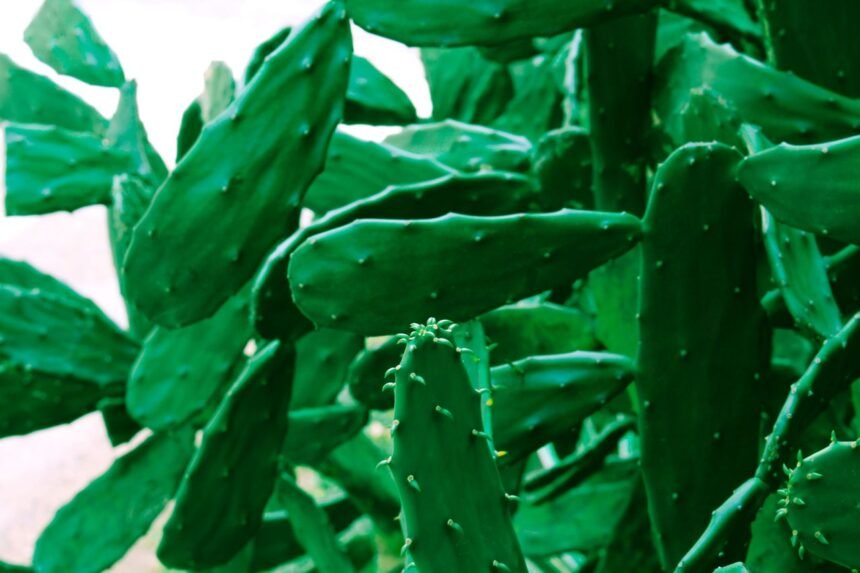
If you have ever wandered through the arid landscapes of the Americas or browsed a vibrant Mexican market, you have likely encountered the flat, green pads of the Prickly Pear cactus. But a common question persists for the health-conscious explorer: is cactus leaf edible? The answer is a resounding yes. Not only is it safe to consume, but it is also a nutritional powerhouse that has been a staple of Mexican cuisine for centuries.
Known locally as “nopales,” these pads come from the Opuntia genus. While the thorns might look intimidating, once prepared correctly, the succulent flesh offers a unique flavour profile—somewhere between a green bean and an asparagus—with a slightly tart edge. In this guide, we will explore the health benefits, culinary uses, and safety tips for incorporating this desert superfood into your diet.
The Nutritional Profile of Nopales
When discussing whether a cactus leaf edible variety is worth your time, the nutritional data speaks for itself. These prickly pear cactus pads are incredibly low in calories but exceptionally high in essential minerals and vitamins. They are particularly praised for their high water content, making them a hydrating addition to meals in hot climates.
According to the USDA, a single cup of raw cactus pads provides a significant boost of vitamin C, magnesium, and calcium. Furthermore, they are a cornerstone of a high-fibre diet, containing both soluble and insoluble fibres that aid digestion.
Nutritional Comparison: Cactus Leaf vs. Spinach
To help you understand how this succulent stacks up against traditional leafy greens, see the table below:
| Nutrient (per 100g) | Cactus Leaf (Nopal) | Spinach |
|---|---|---|
| Calories | 16 kcal | 23 kcal |
| Dietary Fibre | 2.2g | 2.2g |
| Vitamin C | 15% DV | 47% DV |
| Calcium | 16% DV | 10% DV |
| Magnesium | 13% DV | 19% DV |
5 Health Benefits of Eating Cactus Leaves
Research published by the National Institutes of Health (NIH) suggests that the antioxidant properties found in cactus leaves may offer protection against oxidative stress. Here are the primary reasons to add them to your plate:
- Blood Sugar Management: Some studies indicate that nopales can assist in blood sugar management by slowing down the absorption of sugar in the digestive tract. This is particularly relevant for those monitoring type 2 diabetes, as noted by the American Diabetes Association.
- Heart Health: The fibre and sterols in the leaf can help lower LDL (bad) cholesterol, potentially reducing the risk of cardiovascular disease.
- Anti-inflammatory Effects: The plant contains bioflavonoids that possess anti-inflammatory qualities, which may help reduce swelling and muscle soreness.
- Weight Management: Being low-calorie and high-fibre, cactus leaves are an excellent tool for weight management, helping you feel fuller for longer.
- Hangover Prevention: Interestingly, research cited by Mayo Clinic suggests that prickly pear extract taken before drinking alcohol might reduce hangover symptoms the next day.
How to Select and Prepare Cactus Leaves
If you are purchasing a cactus leaf edible pad for the first time, look for ones that are firm, bright green, and relatively thin. Thinner pads are generally younger and more tender. You can often find them pre-cleaned in supermarkets, but if you buy them “fresh” with the spines intact, you must exercise caution.
Cleaning and De-spining
- Wear Protection: Use thick gloves or tongs to handle the pads to avoid the tiny, hair-like spines called glochids.
- Scrape the Spines: Use a sharp vegetable peeler or a knife to scrape the bumps (areoles) where the spines grow. Ensure you rinse the pad thoroughly under cold water afterwards.
- Trim the Edges: Cut approximately half a centimetre off the entire perimeter of the pad, as this area can be tough.
One characteristic of the cactus leaf is its mucilage—a sticky substance similar to that found in okra. While some enjoy this texture, others prefer to reduce it. According to culinary experts at ScienceDirect, boiling the pads with onion skins or salt can help neutralise the “slime” before adding them to nopales recipes.
Culinary Inspiration: How to Eat Cactus
The versatility of the nopal is vast. It can be grilled, sautéed, boiled, or even eaten raw in salads. Here are some popular ways to enjoy it:
Popular Cooking Methods
- Ensalada de Nopales: Cooked cactus strips tossed with tomatoes, onions, coriander, lime juice, and crumbled queso fresco.
- Tacos de Nopales: Grilled cactus makes an excellent vegetarian filling for tacos, providing a meaty texture.
- Morning Smoothies: Blend raw, cleaned cactus with pineapple and orange juice for a refreshing, high-fibre breakfast.
- Stir-fries: Add diced cactus to your favourite vegetable stir-fry for an exotic twist and an extra dose of antioxidant properties.
For more inspiration on healthy eating, the NHS Eatwell Guide provides excellent frameworks for balancing exotic vegetables with daily staples.
Potential Side Effects and Safety
While the cactus leaf edible pad is generally safe for most people, there are a few considerations to keep in mind. Excessive consumption may cause mild diarrhoea, nausea, or bloating in some individuals due to the high fibre content. If you have a pre-existing medical condition, it is always wise to consult the World Health Organization (WHO) guidelines or your GP before making significant dietary changes.
Furthermore, because of its potential impact on blood glucose, those on diabetes medication should monitor their levels closely. The CDC recommends discussing new “superfoods” with a healthcare provider if you are taking prescription drugs for glucose control.
The Environmental Impact: A Sustainable Crop
Beyond health, the cactus leaf edible variety is an environmentally friendly food source. According to the Food and Agriculture Organization (FAO), cacti are exceptionally resilient to climate change. They require very little water and can grow in degraded soils where other crops fail. Choosing nopales is not just good for your body; it is a vote for more sustainable agricultural practices.
Research from the University of Arizona highlights how these plants could play a crucial role in future food security in arid regions worldwide.
The Bottom Line
The cactus leaf edible pad is far more than a prickly garden ornament. It is a nutrient-dense, versatile, and sustainable vegetable that deserves a place in your kitchen. Whether you are looking to improve your blood sugar management or simply want to try a new flavour from the heart of Mexican cuisine, nopales offer a refreshing and healthy option.
For further reading on the medicinal chemistry of these plants, you can explore peer-reviewed studies on MDPI or check out detailed botanical descriptions at WebMD.
Frequently Asked Questions (FAQs)
Can you eat cactus leaves raw?
Yes, you can eat cactus leaves raw. When raw, they have a crunchy texture and a slightly acidic flavour. They are often finely diced and added to salsas or smoothies. However, most people prefer them cooked to soften the texture and reduce the mucilage.
What does cactus leaf taste like?
Most people describe the taste of a cactus leaf edible pad as a cross between a green bean and a green bell pepper, with a hint of lemony tartness. The texture is similar to okra when cooked, though it can be made crispier through grilling or frying.
Where can I buy edible cactus leaves?
You can find fresh cactus pads at Mexican grocery stores (tiendas), large international supermarkets, and sometimes at local farmers’ markets. They are also available canned or bottled in brine, though fresh is usually preferred for the best flavour and nutrient retention. You can find more information on food sourcing via Healthline.