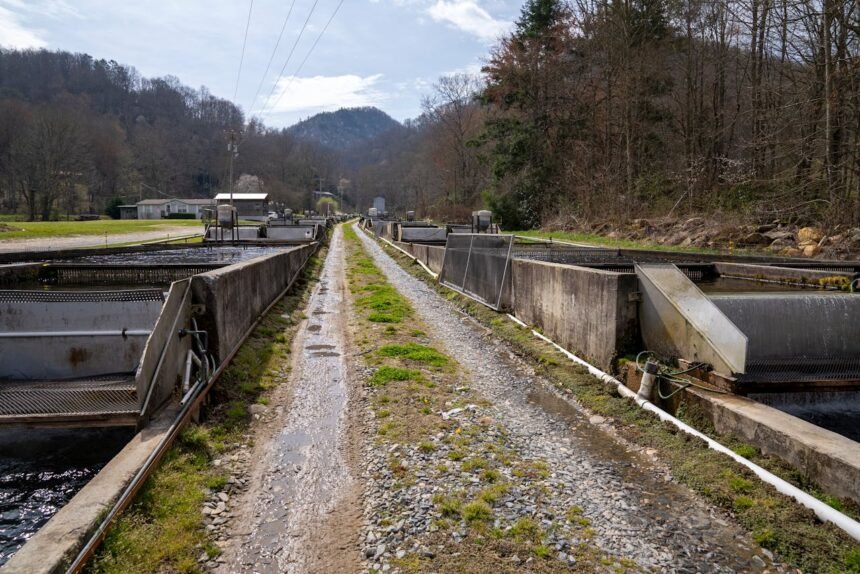
Salmon are one of the most remarkable species on our planet, known for their incredible migratory journeys and their vital role in both marine ecosystems and human nutrition. However, as global demand for protein rises and wild populations face challenges, the importance of sophisticated salmon hatchery design has never been more critical. A well-designed hatchery is more than just a fish farm; it is a precision-engineered environment that mimics nature while utilising advanced technology to ensure the health and vitality of the fish.
Whether you are a commercial producer, a conservationist, or a student of marine biology, understanding the intricacies of how these facilities are built can provide deep insights into the future of biodiversity and food security. In this guide, we will explore the essential elements of modern hatchery architecture, from water chemistry to the biological needs of the fish.
The Foundations of Effective Salmon Hatchery Design
At its core, salmon hatchery design must prioritise the welfare of the fish at every stage of the salmonid lifecycle. Unlike land-based livestock, salmon require a three-dimensional environment where every variable—temperature, light, and flow—must be meticulously controlled. Modern aquaculture systems focus on creating a low-stress environment to maximise growth and survival rates.
The design process typically begins with an environmental impact assessment to ensure the facility harmonises with local ecosystems. Designers must consider how water is sourced, how it moves through the facility, and how it is treated before being returned to the environment. This holistic approach is the hallmark of sustainable fisheries management.
Key Water Management Strategies
Water is the lifeblood of any hatchery. There are two primary philosophies in salmon hatchery design: flow-through systems and the recirculating aquaculture system (RAS). While traditional hatcheries often relied on a constant stream of river or well water, modern facilities are increasingly turning to RAS to save water and improve biosecurity protocols.
In a recirculating setup, biofiltration plays a starring role. Beneficial bacteria break down ammonia and nitrites, ensuring that the water quality management remains within optimal parameters. High oxygen saturation levels must also be maintained to support the metabolic needs of active salmon.
| Feature | Flow-Through Systems | Recirculating Aquaculture System (RAS) |
|---|---|---|
| Water Usage | High (Constant intake/outtake) | Low (Up to 99% recycled) |
| Temperature Control | Difficult (Dependent on source) | Precise (Climate controlled) |
| Biosecurity | Moderate (External risks) | Excellent (Closed loop) |
| Capital Cost | Lower initial investment | Higher due to technology |
Nurturing Growth: From Egg to Smolt
The salmon hatchery design must account for the distinct requirements of each life stage. Salmon transition through several phases, each requiring different tank sizes, water velocities, and feeding regimes.
- Egg Incubation: This stage requires dark, quiet environments with highly filtered water. Vertical tray incubators are often used to maximise space and ensure uniform flow.
- Larval Rearing: Once the eggs hatch into alevins, they rely on their yolk sacs. The design must provide substrate that prevents them from wasting energy through excessive movement.
- Fry Development: As they begin to feed, fry require shallow tanks with gentle currents to encourage natural swimming behaviour without causing exhaustion.
- Smoltification: This is perhaps the most critical stage where salmon prepare for the transition from freshwater to saltwater. Designers must be able to manipulate salinity and light cycles to trigger this biological change.
Research published in ScienceDirect highlights that precise environmental control during these early stages can significantly improve the feed conversion ratio once the fish move to sea cages.
Advanced Engineering and Biosecurity
To protect the investment and the health of the stock, biosecurity protocols are integrated into the very physical structure of the hatchery. This includes footbaths at entry points, UV sterilisation for incoming water, and segmented tank systems that prevent the spread of pathogens. According to NOAA Fisheries, biosecurity is the primary defence against aquatic diseases that can devastate both farmed and wild populations.
The layout of the facility should allow for “all-in, all-out” management, where cohorts of fish move through the system without mixing. This ensures that the larval rearing area remains sterile and isolated from older fish that might carry different microbial loads.
Sustainability and the Future of Hatchery Design
Modern salmon hatchery design is increasingly focused on reducing its carbon footprint. This involves utilising renewable energy sources, such as solar or geothermal power, to maintain stable water temperatures. In the UK, organisations like Defra provide guidelines to ensure that hatcheries meet stringent environmental standards.
Furthermore, waste management has become a value-added process. The “sludge” or solid waste captured during biofiltration can be repurposed as organic fertiliser, turning a potential pollutant into a resource. This circular economy approach is essential for the long-term viability of the industry.
- Optimised Tank Hydrodynamics: Ensuring there are no “dead zones” where waste can accumulate.
- Automated Feeding Systems: Reducing waste by delivering the exact amount of food required based on biomass.
- Digital Monitoring: Using AI to track fish behaviour and health in real-time.
As noted by Marine Scotland, the integration of technology into hatchery infrastructure is key to maintaining Scotland’s position as a world leader in high-quality seafood production. For more on the global standards of aquaculture, the Aquaculture Stewardship Council (ASC) provides a framework for responsible practices.
Conclusion
Effective salmon hatchery design is a blend of biology, engineering, and environmental stewardship. By focusing on the specific needs of the fish—from egg incubation to smoltification—and leveraging modern technologies like RAS and automated monitoring, we can ensure a steady supply of healthy salmon while protecting our natural waterways. For those interested in the broader impact of these systems, resources like Seafood Watch and the International Council for the Exploration of the Sea (ICES) offer invaluable data on sustainability and ecosystem health.
As we move forward, the focus will remain on refining these aquaculture systems to be even more efficient and less intrusive. To stay updated on the latest scientific breakthroughs in fish physiology and hatchery tech, journals such as Frontiers in Marine Science, MDPI Sustainability, and Aquaculture Research are excellent starting points for further reading. You can also find technical engineering insights through Springer’s environmental engineering series or check global production trends via Global Seafood Alliance and FishStat.
Frequently Asked Questions (FAQs)
What is the most important factor in salmon hatchery design?
While many factors are involved, water quality is paramount. Without precise water quality management, including the control of dissolved oxygen, ammonia levels, and temperature, the fish cannot thrive. Biosecurity protocols are also a top priority to prevent disease outbreaks.
How long do salmon stay in a hatchery?
Typically, salmon remain in a hatchery for 12 to 18 months. This period covers everything from egg incubation to the point where they undergo smoltification and are ready for transfer to seawater cages or release into the wild.
Are hatchery-raised salmon different from wild salmon?
Genetically, they are often very similar, especially in conservation hatcheries. However, the salmon hatchery design aims to provide a protected environment with optimized feed conversion ratios, which can result in faster initial growth compared to the variable conditions found in the wild.