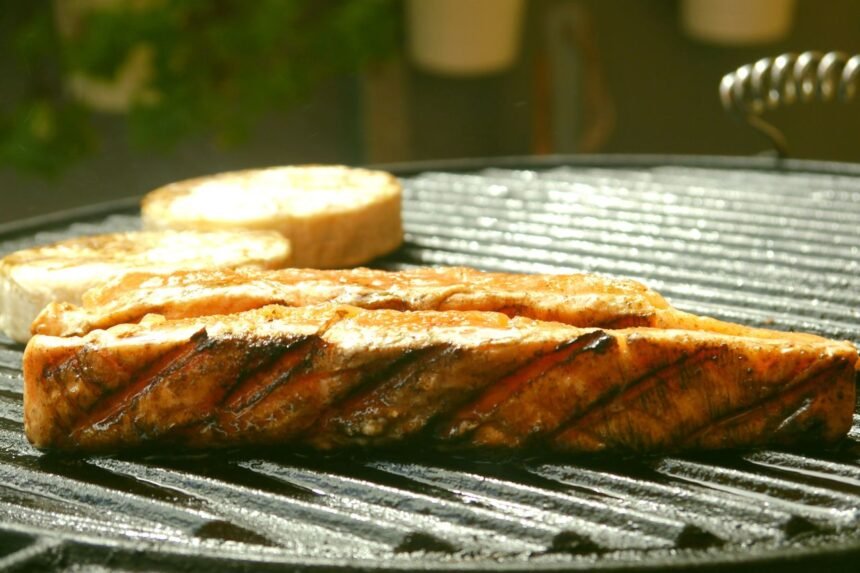
If you have ever perused a high-end fishmonger’s counter or spent a morning angling on the banks of a Scottish river, you may have heard the term “grilse” used interchangeably with “salmon.” However, for the discerning eater and the dedicated conservationist, understanding the distinction of grilse vs salmon is essential.
While all grilse are technically salmon, not all salmon are grilse. The difference lies in their life story—specifically, how long they spent maturing in the marine environment. This article explores the biological nuances, nutritional profiles, and culinary characteristics that set these two categories apart.
What Exactly is a Grilse?
The Atlantic salmon (Salmo salar) is an anadromous species, meaning it hatches in freshwater, migrates to the ocean to grow, and returns to its natal rivers to spawn. A grilse is a salmon that has spent only one winter feeding at sea before returning to freshwater spawning grounds.
In contrast, what we typically refer to as a “salmon” in a commercial or angling context is often a multi-sea-winter (MSW) salmon. These fish remain in the ocean for two, three, or even four years before heading home. This extra time spent gorging on nutrient-rich prey in the North Atlantic significantly alters their size and physiological makeup.
The Lifecycle: From Smolt to Spawner
To understand the grilse vs salmon debate, we must look at the process of smoltification. This is the physiological “reprogramming” that allows a young fish to move from a river to the sea. Once they become a post-smolt, their growth rate accelerates. Whether a fish returns after one year (as a grilse) or stays longer is influenced by a complex mix of genetics and environmental cues.
Grilse vs Salmon: The Physical Comparison
The most immediate difference when comparing grilse vs salmon is their physical stature. Because grilse have had less time to feed on high-protein marine life, they are naturally smaller and more slender.
| Feature | Grilse (One-Sea-Winter) | Salmon (Multi-Sea-Winter) |
|---|---|---|
| Average Weight | 2 to 6 lbs (0.9 to 2.7 kg) | 8 to 20+ lbs (3.6 to 9+ kg) |
| Time at Sea | 1 Winter | 2 to 4 Winters |
| Body Shape | Slim, streamlined “condition factor” | Deep-bodied, powerful build |
| Scale Strength | Loose, easily detached scales | Firmly attached, thicker scales |
| Primary Tail Shape | Often slightly forked | Usually more square or “clipped” |
Nutritional Profiles and Health Benefits
Both grilse and MSW salmon are nutritional powerhouses. They are world-renowned for being one of the best sources of omega-3 fatty acids, which are crucial for maintaining heart health and reducing systemic inflammation.
However, because MSW salmon have spent longer in the ocean, they often have a higher fat content. This “marbling” of healthy fats contributes to the rich, buttery texture often associated with premium wild salmon. Grilse, being younger and more active, tend to have leaner protein, which some diners prefer for its lighter mouthfeel.
Key nutrients found in both include:
- Vitamin D: Essential for bone health and immune function.
- Selenium: A powerful antioxidant that supports thyroid health.
- Protein: High-quality, easily digestible muscle-building fuel.
- B-Vitamins: Critical for energy metabolism and brain function.
Which is Healthier?
From a clinical perspective, the British Nutrition Foundation suggests that any oily fish is a beneficial addition to the diet. While a larger salmon might offer more total omega-3s per serving due to its fat stores, a grilse provides a very high protein-to-calorie ratio, making it an excellent choice for weight management.
The Culinary Experience: Taste and Texture
In the kitchen, the grilse vs salmon distinction becomes a matter of personal preference. Chefs often value the grilse for its delicate flavour and smaller fillets, which fit perfectly on a standard dinner plate without requiring heavy portioning.
- Texture: Grilse flesh is often firmer and less “oily” than that of a larger MSW salmon.
- Colour: Both should possess a vibrant pink-to-orange colour, though this depends heavily on their diet of crustaceans and small fish.
- Cooking Methods: Grilse are spectacular when pan-seared or grilled quickly. Larger salmon benefit from slow-roasting or poaching to preserve their moisture.
Sustainability and Conservation
When choosing between grilse vs salmon, sustainability should be at the forefront of your mind. Overfishing and habitat loss have impacted wild populations across the globe. Organizations like the Marine Stewardship Council (MSC) work to certify fisheries that follow sustainable fishing practices.
In many rivers, the angling season has strict “catch and release” policies for MSW salmon to protect the breeding population, while a limited number of grilse may be retained for the table. This is because larger females carry significantly more eggs, making them vital for the health of future generations in their spawning grounds.
If you are purchasing salmon, consider the impact of aquaculture. While farmed salmon is readily available, look for labels that indicate high welfare standards and minimal environmental impact.
Identifying Your Catch: Scale Reading and Beyond
Expert biologists use a technique called scale reading to distinguish between these fish with 100% accuracy. Much like the rings of a tree, the scales of a salmon show growth patterns. By looking at these under a microscope, scientists can count exactly how many winters the fish spent in the ocean.
For the average person, looking at the “condition factor” (the ratio of weight to length) is the best guide. A short, “thick” fish is often a grilse in peak condition, while a long, lean fish might be a kelt (a fish that has already spawned) and should be returned to the water immediately to recover.
Frequently Asked Questions (FAQs)
Is a grilse just a baby salmon?
Not exactly. A grilse is a fully mature adult salmon that has reached sexual maturity faster than its peers. It is ready to spawn, just like its larger MSW counterparts, but it has simply taken a shorter path through its lifecycle.
Which tastes better, grilse or salmon?
This is subjective! Many people prefer the milder, leaner taste of a grilse, especially when it is fresh from the sea. Others crave the rich, fatty depth of a larger, older salmon. If you enjoy mackerel or trout, you will likely love grilse.
Where can I buy wild grilse?
Wild Atlantic salmon (including grilse) are increasingly rare in commercial markets due to conservation efforts. Most salmon found in supermarkets is farmed. To find wild grilse, you typically need to visit specialist fishmongers in regions like Scotland or Ireland during the peak summer months, ensuring they are sourced from sustainable, regulated fisheries.
Does grilse have the same health benefits as salmon?
Yes. Grilse provide the same essential vitamins, minerals, and high-quality protein. While they may have slightly lower fat levels than a 20lb MSW salmon, they remain an elite source of omega-3 fatty acids, which are vital for brain and heart health.
Whether you are a chef, an angler, or simply someone looking to improve their diet, understanding the grilse vs salmon dynamic helps you make more informed, sustainable, and delicious choices. Both represent the incredible resilience of one of nature’s most fascinating migratory species.