As the winter frost begins to thaw and the first signs of the spring run appear on the riverbanks, many anglers find themselves drawn back to the water. In the early months of the year, particularly on iconic waterways like the river Spey or the river Dee, you are likely to encounter a specific type of fish: the kelt. Salmon kelt fishing is a unique, often misunderstood aspect of the angling calendar that requires a blend of patience, technical skill, and a deep respect for fish welfare.
A kelt is an Atlantic salmon that has successfully completed its journey to the spawning grounds and is now making its way back to the sea. Unlike the silver, energetic fish that enter the river in the summer, these post-spawned individuals have a different physical profile and set of needs. Understanding how to handle them correctly is vital for the sustainability of our river ecosystems.
What Exactly is a Salmon Kelt?
In the world of salmon kelt fishing, identification is the first step toward responsible angling. After spawning, salmon lose a significant amount of weight and their silver colour fades, often replaced by a darker, thinner appearance—sometimes leading to them being called black salmon. While they are often hungry and aggressive, they lack the fatty reserves of a fresh fish.
It is also important to distinguish kelts from other non-target fish. You might encounter a baggot (a female that has not yet spawned) or a rawner (a male in a similar state). Both require the same gentle handling and immediate release to ensure they can eventually contribute to the next generation of Atlantic salmon.
Research published by Nature.com highlights the complex migratory patterns of these fish, noting that a small percentage of kelts will successfully return to the ocean, recover, and return to spawn again in future years. These “repeat spawners” are incredibly valuable to the genetic diversity of the river.
Comparing Kelts and Fresh Spring Salmon
To help you identify your catch quickly and reduce stress on the fish, consult the following table:
| Feature | Salmon Kelt (Post-Spawned) | Fresh Spring Salmon |
|---|---|---|
| Body Shape | Thin, elongated, “mended” look | Deep, muscular, and powerful |
| Colouring | Dark, bronzed, or tinged with red/black | Bright silver with a white belly |
| Gills | Often show signs of “maggots” (parasites) | Clean, bright red, and healthy |
| Vent | Often distended or protruding | Tight and clean |
| Strength | Quickly exhausted during a fight | Highly energetic with long runs |
The Benefits of Early Season Angling
Engaging in salmon kelt fishing isn’t just about the catch; it’s about the holistic experience of being outdoors. According to the NHS, spending time in green spaces and near water—often referred to as “blue space”—can significantly lower cortisol levels and improve mental health. For many, the rhythmic motion of casting on a quiet river provides a form of mindfulness that is hard to find elsewhere.
Furthermore, the physical activity involved in navigating rocky riverbanks and wading through currents provides an excellent cardiovascular workout. The Mayo Clinic suggests that moderate outdoor exercise helps maintain heart health and bone density, making angling a great way to stay active during the colder months.
Best Practices for Responsible Fishing
When participating in salmon kelt fishing, your primary goal should always be the safe return of the fish. Strict angling regulations in the UK mandate a catch and release policy for all kelts. To ensure the highest survival rates, follow these steps:
- Utilise barbless hooks: These make the unhooking process much faster and minimise tissue damage.
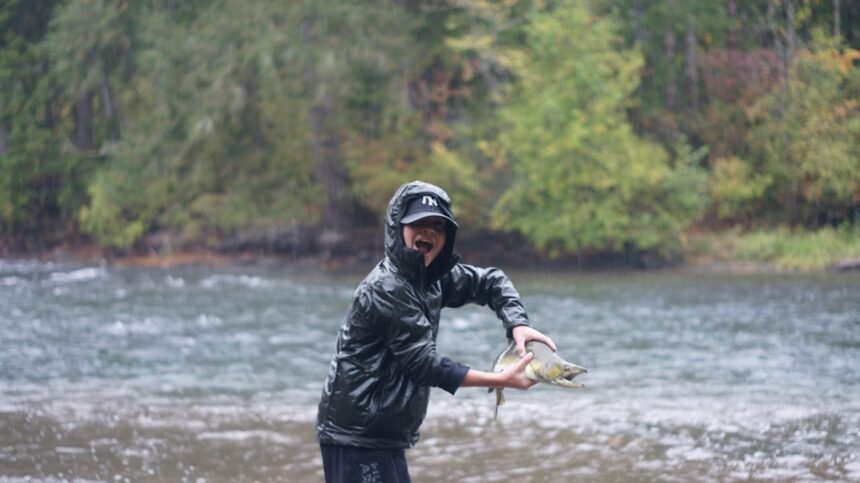
- Keep them in the water: Never lift a kelt out of the water for a photo. According to ScienceDirect, even a few seconds of air exposure can damage delicate gill filaments.
- Use appropriate tackle: Ensure your rod and line are strong enough to bring the fish to the net quickly, preventing excessive exhaustion.
- Choose the right fly patterns: In the early season, larger, brightly coloured fly patterns like the “Willie Gunn” or “Cascade” are often effective in the cold, high water.
Organisations like the Wild Salmon Trust emphasise that every fish returned safely is a victory for the river. By respecting fish welfare, we protect the future of the sport.
Health and Safety on the River
Early-season conditions can be treacherous. Cold water temperatures increase the risk of hypothermia if you take an accidental dip. It is essential to wear a high-quality life jacket and use a wading staff for stability. The Environment Agency provides regular updates on water levels, which you should check before heading out.
Beyond physical safety, consider the cognitive benefits of the sport. Studies cited by Harvard Health indicate that hobbies requiring focus and coordination, like fly casting, can help maintain cognitive function as we age. The social aspect of visiting a local fishing hut also combats loneliness, a factor the Psychology Today experts highlight as crucial for long-term emotional stability.
The Ecological Impact of Kelts
While some may view spawned out salmon as “spent,” they play a vital role in the river’s nutrient cycle. As some kelts naturally perish, their bodies provide essential nutrients back into the ecosystem, supporting the growth of insects and young salmon fry. This cycle is explored in depth by the National Geographic, which discusses how migratory fish connect marine and freshwater habitats.
The Atlantic Salmon Federation works tirelessly to protect these migratory patterns. By supporting these conservation efforts and following angling regulations, fishermen become stewards of the environment rather than just consumers of it.
Technical Tips for Early Spring Success
- Read the Water: Kelts often rest in slower, deeper pools where they don’t have to fight the main current.
- Slow Down Your Presentation: In cold water, fish are less likely to chase a fast-moving fly. Use sinking tips to get your fly down to their level.
- Respect the “Redds”: Be careful where you wade. Avoid areas of loose gravel where eggs may still be incubating in their spawning grounds. Information from NOAA Fisheries explains that disturbing these areas can wipe out an entire year’s recruitment.
Research found in the British Medical Journal suggests that the “social prescribing” of outdoor activities like angling can be as effective as traditional therapies for certain types of anxiety. The focus required to track a fly through a current encourages a state of “flow,” which is deeply restorative.
For more detailed information on river-specific rules, always check with the local Scottish Government or Environment Agency websites. Whether you are on the river Dee or a small coastal burn, the principles remain the same.
Frequently Asked Questions (FAQs)
Is salmon kelt fishing legal in the UK?
Yes, but it is strictly regulated. All kelts caught must be returned to the water immediately with as little handling as possible. Keeping a kelt is illegal under national angling regulations to protect the Atlantic salmon population.
Can you eat a salmon kelt?
No. Beyond the legal restrictions, kelts are in poor physical condition. Their flesh is pale, soft, and lacks the nutritional value or taste of a fresh salmon. For your health and the river’s health, they should always be released.
What should I do if a kelt is deeply hooked?
If a fish is deeply hooked and the hook cannot be easily removed, it is better to cut the line as close to the hook as possible rather than struggling to pull it out. Fish welfare studies by Scientific American show that hooks often dissolve or pass naturally, whereas physical trauma to the throat is usually fatal.
Why are kelts sometimes called “menders”?
A “mender” or “mending kelt” is a fish that has begun to recover after spawning. They may start to regain a silvery colour as they prepare to head back to salt water. While they look healthier, they are still protected and must be released.
By understanding the science and ethics of salmon kelt fishing, you can enjoy a rewarding start to the season while ensuring these magnificent creatures continue their journey. Remember to check local weather reports via the Met Office and always prioritise safety and conservation.