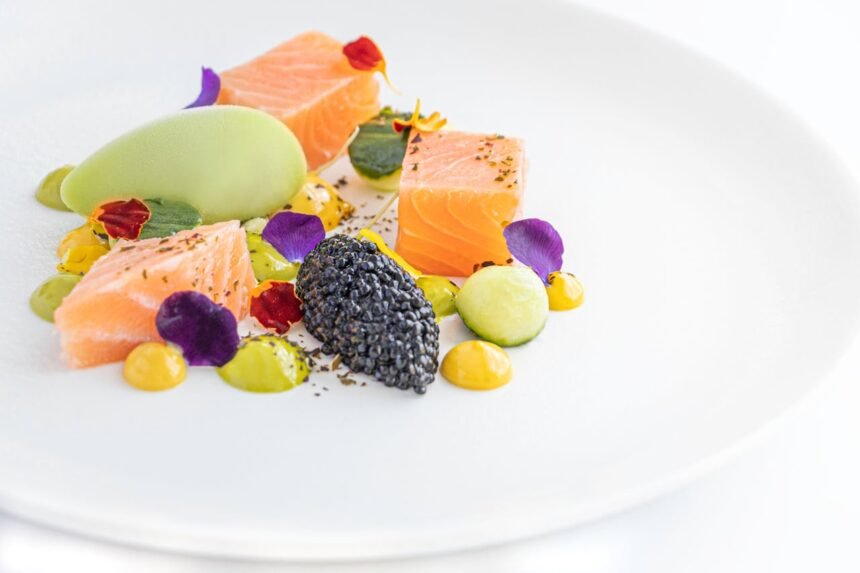
If you have ever visited a high-end sushi bar, you have likely seen those vibrant, orange-red translucent pearls resting atop a roll or served in a small bowl. These are ova salmon, more commonly known as salmon roe or red caviar. While they certainly add a pop of colour and a burst of salty, oceanic flavour to your plate, their benefits go far beyond aesthetics.
In recent years, health enthusiasts have turned their attention to ova salmon as a potent nutritional powerhouse. These eggs are packed with essential nutrients that support everything from heart health to cognitive function. In this guide, we will explore why you should consider adding this sustainable seafood to your anti-inflammatory diet and how to utilise it in your daily meals.
What is Ova Salmon?
Ova salmon refers to the fully ripe internal egg masses in the ovaries of female salmon. Often sourced from keta salmon eggs (Chum salmon) or Pink salmon, these eggs are harvested, cleaned, and usually lightly salted to preserve them. Unlike sturgeon caviar, which is often black or grey, salmon roe is celebrated for its brilliant reddish-orange hue.
This distinct colour comes from astaxanthin, a powerful antioxidant that the salmon obtain through their diet of crustaceans. Beyond its visual appeal, ova salmon is one of the most concentrated vitamin B12 sources found in nature, making it a valuable addition to a balanced diet.
The Nutritional Powerhouse: A Deep Dive
When it comes to nutrient density, ova salmon is hard to beat. According to the NHS, fish and shellfish are excellent sources of many vitamins and minerals. Salmon roe, in particular, contains a unique blend of fats and proteins.
Rich in Omega-3 Fatty Acids
The most significant benefit of ova salmon is its incredibly high concentration of omega-3 fatty acids, specifically DHA and EPA. These essential fats are well-documented for their role in reducing inflammation and supporting cardiovascular health. The Mayo Clinic highlights that omega-3s can help lower blood pressure and decrease triglycerides.
Loaded with Essential Vitamins
Just a small serving of ova salmon provides more than your daily requirement of Vitamin B12. It is also an excellent source of Vitamin D, which is crucial for bone health and immune system support. Research from the National Institutes of Health (NIH) suggests that Vitamin D plays a vital role in neuromuscular and immune function.
Salmon Roe vs. Salmon Fillet
While both the fillet and the eggs are healthy, they offer different nutritional advantages. Here is a comparison of salmon roe nutrition per 100g compared to a standard salmon fillet:
| Nutrient | Ova Salmon (Roe) | Salmon Fillet |
|---|---|---|
| Omega-3 (DHA/EPA) | Very High (~3.5g) | High (~2.2g) |
| Protein | ~25g | ~20g |
| Vitamin B12 | Extremely High | High |
| Astaxanthin | High | Moderate |
| Calories | ~250 kcal | ~208 kcal |
Health Benefits of Ova Salmon
Integrating red caviar benefits into your lifestyle can lead to several long-term health improvements. As a protein-rich snack or meal topper, it provides high-quality amino acids necessary for tissue repair and muscle growth.
- Brain Health: The high levels of DHA and EPA are essential for maintaining cognitive function. The Harvard T.H. Chan School of Public Health notes that these fats are integral to cell membranes in the brain.
- Heart Protection: Regular consumption of ova salmon can improve cholesterol profiles. The American Heart Association recommends eating fatty fish twice a week to reduce the risk of heart disease.
- Eye Health: The astaxanthin and omega-3s found in roe help protect against age-related macular degeneration. Studies published in Nature suggest astaxanthin has significant neuroprotective properties.
- Fertility Support: Due to its high content of choline and Vitamin B12, salmon roe is often categorised among fertility-boosting foods. Choline is vital for foetal brain development, as stated by the EFSA.
Culinary Uses: How to Enjoy Ova Salmon
The culinary uses of roe are surprisingly versatile. You don’t need to be a Michelin-starred chef to enjoy ova salmon at home. Because it is naturally salty, it acts as a seasoning as well as a main ingredient.
- On Toast: Spread a little crème fraîche or cream cheese on a slice of sourdough and top with a spoonful of roe and fresh chives.
- With Eggs: Stir ova salmon into scrambled eggs or use it as a garnish for devilled eggs to add texture and depth.
- Traditional Sushi: Create “Gunkanmaki” (battleship rolls) by wrapping seaweed around a small ball of rice and filling the top with roe.
- Pasta Topping: Add a burst of flavour to a lemon and garlic pasta dish just before serving.
For more inspiration, BBC Good Food offers various ways to incorporate fatty fish and their derivatives into your cooking.
Safety, Sustainability, and Sourcing
When purchasing ova salmon, it is important to consider environmental impact. Look for products certified by the Marine Stewardship Council (MSC) to ensure you are supporting sustainable seafood practices. Sustainable sourcing helps maintain fish populations for future generations.
Regarding safety, many consumers worry about microplastics in seafood or heavy metals. However, the FDA reports that salmon and their eggs are generally low in mercury compared to larger predatory fish like tuna or swordfish. To maximise health benefits while minimising risks, the World Health Organization emphasises a varied diet rich in whole foods.
It is worth noting that salmon roe is high in sodium. If you are monitoring your salt intake for blood pressure reasons, enjoy it in moderation. General dietary guidelines in The Lancet suggest that balancing sodium with potassium-rich vegetables is key to a healthy heart.
Frequently Asked Questions (FAQs)
Can you eat ova salmon every day?
While ova salmon is highly nutritious, it is best enjoyed as part of a varied diet. Due to its high sodium content and rich concentration of fat-soluble vitamins, a few tablespoons two to three times a week is usually sufficient to reap the benefits without over-consuming salt.
Is salmon roe the same as caviar?
Technically, “caviar” refers only to the roe of sturgeon. However, the term “red caviar” is commonly used to describe ova salmon. While they differ in species and colour, both are considered delicacies with similar culinary applications. You can learn more about these distinctions on WebMD.
How should I store salmon roe?
Ova salmon is highly perishable. It should be kept in the coldest part of your refrigerator and consumed within 2–3 days of opening. If you cannot finish it quickly, many varieties can be frozen, though this may slightly alter the texture of the “pop” when you bite into them.
Is it safe for pregnant women?
Pasteurised ova salmon is generally considered safe and even beneficial due to its DHA and choline content. However, pregnant individuals should avoid raw, unpasteurised roe to reduce the risk of foodborne illness. Always consult with a healthcare professional regarding dietary changes during pregnancy, as recommended by the Mayo Clinic.
Does it help with inflammation?
Yes, ova salmon is a staple of an anti-inflammatory diet. Its high concentration of omega-3s and astaxanthin works to neutralise free radicals and reduce systemic inflammation. For deeper insights into anti-inflammatory foods, check out resources from ScienceDirect.