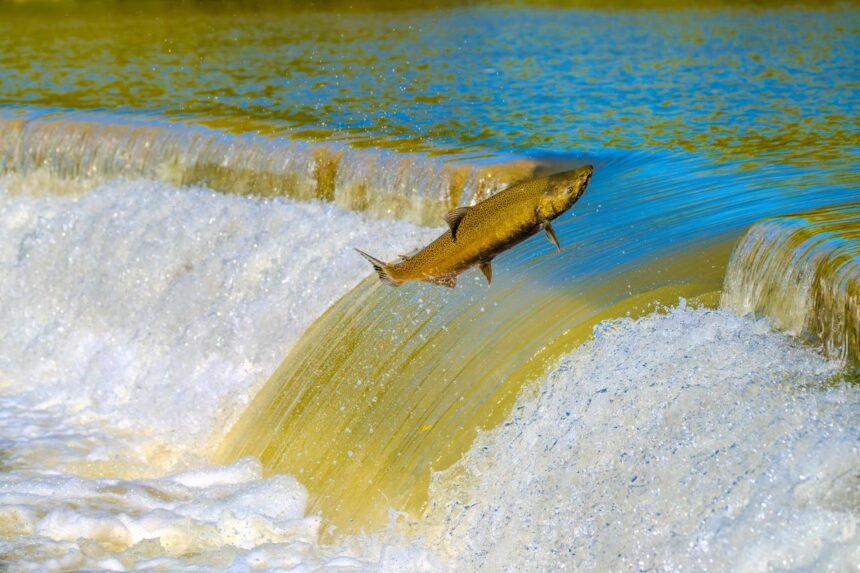
Salmon are far more than just a popular choice on a dinner menu. Often referred to as a keystone species, these remarkable fish play a critical role in maintaining the health of both aquatic and terrestrial environments. From the high mountain streams where they spawn to the vast depths of the ocean, their journey is a miracle of nature. However, salmon populations are currently facing unprecedented challenges.
This is where salmon conservation groups step in. These organisations work tirelessly to reverse the effects of habitat degradation and overfishing, ensuring that future generations can witness the majestic leap of a wild salmon. In this article, we’ll explore the essential work of these groups, the science behind ecosystem restoration, and how you can get involved in protecting these iconic fish.
The Critical Role of Salmon in Our Ecosystem
To understand why salmon conservation groups are so important, we first need to recognise the biological importance of salmon. Because they migrate between freshwater and saltwater, they act as a “nutrient bridge,” transporting essential minerals from the sea back to nutrient-poor inland forests. When salmon return to their spawning grounds and eventually die, their carcasses provide nitrogen and phosphorus that nourish everything from old-growth trees to insects and mammals.
Unfortunately, we are currently witnessing a period of significant biodiversity loss across the globe. According to reports by the IUCN Red List, many sub-populations of salmon are now endangered. The decline of these fish doesn’t just affect the rivers; it impacts the entire food web, including bears, eagles, and even the water quality of our river systems.
What Do Salmon Conservation Groups Actually Do?
Effective conservation is a multi-faceted endeavour. It isn’t just about “saving fish”; it’s about repairing the broken links in our natural world. Salmon conservation groups utilise a variety of evidence-based strategies to protect these species, including:
- River restoration: Re-establishing the natural flow of water and removing obstacles that prevent migration.
- Watershed protection: Safeguarding the land surrounding rivers to prevent toxic runoff and siltation.
- Hatchery management: Using scientific methods to supplement wild populations without compromising genetic integrity.
- Marine conservation: Working to protect salmon during their years spent in the open ocean, where they face commercial fishing pressures.
One of the most effective tools in the conservation arsenal is dam removal. Obsolete dams block passage to thousands of miles of historical habitat. By removing these barriers, groups can see an almost immediate positive impact on wild fish habitats. This process is often supported by data from the Nature Journal, highlighting the resilience of river systems once they are allowed to flow freely.
Comparing Conservation Strategies
Not all conservation efforts are the same. Different regions require different approaches depending on the specific threats they face. The following table outlines three common strategies used by leading salmon conservation groups.
| Strategy | Primary Focus | Key Benefit |
|---|---|---|
| Habitat Restoration | Repairing rivers and floodplains. | Long-term sustainability of wild stocks. |
| Policy Advocacy | Influencing government legislation. | Large-scale protection and funding. |
| Scientific Research | Tracking migration and health. | Informed decision-making and data. |
The Threat of Climate Change
The warming of our planet is perhaps the greatest challenge facing Atlantic salmon recovery today. As water temperatures rise, salmon become more susceptible to disease and have more difficulty navigating their routes. Climate change impacts also lead to unpredictable water levels—either devastating floods that wash away eggs or severe droughts that dry up nursery streams.
Groups like the WWF UK and the Wildlife Trusts are working to create “climate-resilient” rivers by planting trees along riverbanks. These trees provide essential shade, keeping the water cool enough for salmon to survive during the peak of summer.
Indigenous-Led Conservation: A Holistic Approach
In many parts of the world, particularly in North America, indigenous led conservation has become a cornerstone of the movement. Indigenous communities have lived in harmony with salmon for millennia and possess deep traditional ecological knowledge. By combining this wisdom with modern western science, salmon conservation groups can achieve more robust and culturally respectful outcomes. Organisations such as National Geographic often document how these partnerships lead to better management of spawning grounds and more ethical sustainable fishing practices.
How You Can Support Salmon Conservation
You don’t need to be a marine biologist to make a difference. Many salmon conservation groups rely on public support and grassroots action. Here are a few ways you can help:
- Support sustainable fishing: Always look for certification when buying fish to ensure you aren’t contributing to overfishing. Check the FAO guidelines for more information.
- Volunteer for river cleans: Local groups often organise days to remove plastic and debris from wild fish habitats.
- Reduce your carbon footprint: Since climate change is a major threat, any action to reduce emissions helps.
- Donate: Organisations like Salmon & Trout Conservation depend on donations to fund their legal and scientific work.
The Global Impact of Local Action
The work of salmon conservation groups has implications far beyond the riverbank. Healthy salmon populations are a sign of a healthy planet. They support local economies through tourism and sustainable fishing, and they provide food security for millions. Furthermore, the United Nations has highlighted the importance of protecting aquatic life as part of its Sustainable Development Goals.
Research published by the Royal Society and the Natural History Museum suggests that when we protect salmon, we also protect countless other species, from microscopic plankton to the apex predators of the forest. It is a holistic approach to marine conservation that benefits everyone.
Looking Toward the Future
While the statistics can sometimes seem bleak, there is hope. We are seeing success stories in river restoration projects across Scotland and the Pacific Northwest. Governments are beginning to listen, with agencies like the UK Environment Agency and the Scottish Government implementing stricter regulations on water pollution and hatchery management.
By supporting salmon conservation groups, we are investing in the resilience of our natural world. Whether it’s through advocating for better watershed protection or simply learning more about the life cycle of these incredible fish, every action counts. Scientists at the WorldFish Center and Science.org continue to find new ways to help salmon adapt to a changing world, but they need our support to turn that research into reality.
Frequently Asked Questions (FAQs)
Why are salmon called a “keystone species”?
Salmon are considered a keystone species because they have a disproportionately large effect on their environment. They provide a vital food source for numerous predators and transport essential nutrients from the ocean to inland ecosystems, supporting plant and animal life far from the coast.
What is the biggest threat to wild salmon today?
While there are many threats, the combination of habitat loss (due to dams and pollution) and the climate change impacts of rising water temperatures are the most significant challenges. Overfishing and poorly managed fish farms also pose serious risks to Atlantic salmon recovery.
How do salmon conservation groups restore rivers?
Groups focus on river restoration by removing man-made barriers like dams, restoring the natural curves of riverbeds, and planting native vegetation along the banks to improve water quality and provide shade.
Are fish hatcheries a good solution for declining populations?
Hatcheries can help in the short term, but they must be managed carefully. Salmon conservation groups emphasise the importance of genetic diversity, ensuring that hatchery fish do not outcompete or weaken the traits of wild populations.
For more information on how you can contribute to marine conservation and protect our waterways, consider visiting the Marine Conservation Society to see how you can get involved today.