If you have ever perused the seafood aisle at your local supermarket, you have likely noticed the distinctive bright orange salmon fillets labelled as “Product of Norway.” For decades, norwegian salmon farming has dominated the global market, positioning itself as a gold standard for quality and nutrition. But beyond the sleek packaging and “ocean-fresh” marketing, many health-conscious consumers are asking important questions about how these fish are raised.
In this guide, we will dive deep into the world of norwegian salmon farming, exploring its nutritional benefits, the rigorous traceability standards involved, and the environmental challenges the aquaculture industry faces today. Whether you are looking to boost your heart health or want to make more ethical choices at the dinner table, we have got the facts you need.
The Science Behind the Scandi Salmon
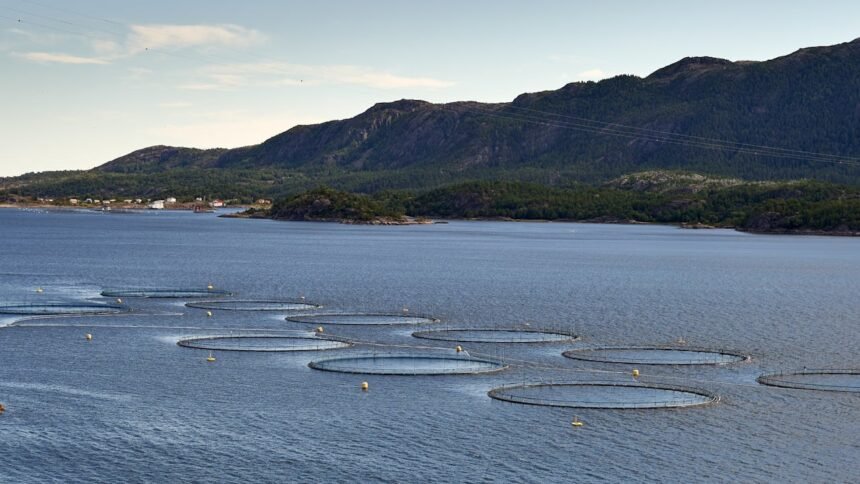
Norway’s long, jagged coastline is uniquely suited for Atlantic salmon. The combination of deep fjords and oxygen-rich cold coastal waters provides a natural habitat where salmon can thrive. The process of norwegian salmon farming typically begins in freshwater tanks on land before the young fish (smolts) are moved to large open-net pens in the ocean.
These pens are designed to allow a constant flow of fresh seawater, mimicking the natural environment of wild fish. However, managing thousands of fish in a confined space requires precision. To ensure the health of the stock, the industry relies on advanced technology to monitor water temperature, oxygen levels, and feeding patterns. You can learn more about the biological requirements of fish in this study from Nature.
Nutritional Powerhouse: What’s Inside?
One of the primary reasons people turn to salmon is for its incredible nutrient density. Norwegian farmed salmon is particularly famous for its high concentration of Omega-3 fatty acids, which are essential for brain function and reducing inflammation. According to the NHS, oily fish like salmon play a vital role in a balanced diet.
The pink-orange hue of the fish comes from astaxanthin, a powerful antioxidant found in their diet. In the wild, salmon get this from eating small crustaceans; in farms, it is added to the fish feed ingredients to ensure the fish remain healthy and the meat retains its iconic colour. This antioxidant is linked to improved skin health and heart protection, as detailed by Healthline.
Key Nutrients in Norwegian Salmon
- High-Quality Protein: Essential for muscle repair and metabolic health.
- Vitamin D: Crucial for bone health and immune support.
- Selenium: A trace mineral that protects against oxidative stress.
- Vitamin B12: Necessary for nerve function and DNA production.
Farmed vs. Wild: How Does Norway Compare?
When choosing seafood, many wonder if farmed fish is a “lesser” version of its wild counterpart. While there are differences in fat content and texture, norwegian salmon farming has worked hard to close the gap in quality. Below is a comparison of common factors between Norwegian farmed salmon and wild-caught varieties.
| Feature | Norwegian Farmed Salmon | Wild Atlantic Salmon |
|---|---|---|
| Omega-3 Content | High (consistent due to controlled diet) | Variable (depends on seasonal diet) |
| Fat Content | Higher (leads to a buttery texture) | Lower (leaner, firmer texture) |
| Antibiotic Use | Extremely low (almost zero) | N/A |
| Availability | Year-round | Seasonal/Limited |
| Sustainability Rating | High (strictly regulated) | Mixed (depends on stock levels) |
Environmental Impact and Sustainability
The environmental impact of fish farming is a frequent topic of debate. The industry has faced criticism in the past regarding the escape of farmed fish and the spread of parasites. However, Norway has some of the strictest regulations in the world to protect marine conservation areas. Organisations like the WWF work closely with the industry to improve practices.
One of the biggest hurdles is sea lice management. These tiny parasites occur naturally in the ocean but can flourish in farm environments. To combat this without chemicals, many Norwegian farms now use “cleaner fish” (which eat the lice) or thermal water treatments. Furthermore, the Seafood Watch programme provides updated ratings on which farms meet the highest ecological standards.
Improving the Feed
In the past, sustainable seafood relied heavily on wild-caught fish to make feed. Today, the norwegian salmon farming sector is pioneering the use of plant-based proteins and insect meal to reduce pressure on wild fish stocks. Research from Nofima shows that modern feed is now roughly 70% vegetable-based, making it far more efficient than previous decades.
Is It Safe? Antibiotics and Contaminants
A common myth is that farmed salmon is “full of chemicals.” In reality, Norway has virtually eliminated antibiotic use in fish. In fact, since the development of effective vaccines for salmon, antibiotic use has dropped by over 99% since the 1980s. This is often lower than the antibiotic use in terrestrial livestock like poultry or beef, a point highlighted by The Norwegian Seafood Council.
Regarding contaminants like mercury or PCBs, the European Food Safety Authority (EFSA) and the Mayo Clinic both suggest that the health benefits of salmon far outweigh the potential risks of trace contaminants found in the modern environment. For more on the heart-protective benefits of fatty fish, see Harvard Health.
How to Shop for Sustainable Norwegian Salmon
When you are at the fishmonger or supermarket, keep these tips in mind to ensure you are buying the best quality:
- Look for Certifications: Look for the ASC (Aquaculture Stewardship Council) or GlobalG.A.P. logos. These ensure the farm follows strict sustainable seafood guidelines.
- Check the Origin: Ensure the label specifically mentions Norway to benefit from their high traceability standards.
- Examine the Flesh: The meat should be firm to the touch, and the salmon fillets should have a clean, fresh smell—not “fishy.”
- Check Local Guides: Use the Marine Conservation Society’s Good Fish Guide to check the current sustainability rating of your purchase.
By staying informed through academic journals like the Journal of Nutrition or ecological platforms like Frontiers in Marine Science, you can feel confident that your food choices support both your body and the planet. For further reading on the ethics of the industry, The Guardian offers excellent investigative pieces on food sustainability.
Frequently Asked Questions (FAQs)
Is Norwegian farmed salmon high in mercury?
No. Farmed Norwegian salmon is generally very low in mercury because their diet is strictly controlled. Regulatory bodies monitor these levels constantly to ensure they remain well below safety limits. You can find more data on seafood safety at ScienceDirect.
Why is Norwegian salmon so orange?
The colour comes from a pigment called astaxanthin. In norwegian salmon farming, this is added to the feed. It is a powerful antioxidant that is also found in wild salmon, who get it from eating krill and shrimp.
Are antibiotics used in Norwegian salmon?
Hardly ever. Thanks to an effective vaccination programme, the use of antibiotics in Norwegian aquaculture is extremely rare—less than 1% of all fish treated—making it one of the cleanest forms of animal protein production available.
Is farming salmon bad for the ocean?
While any large-scale food production has an environmental impact, Norway leads the world in implementing “green” farming technologies, such as closed-containment systems and strict monitoring of seabed health, to minimise ecological footprints.