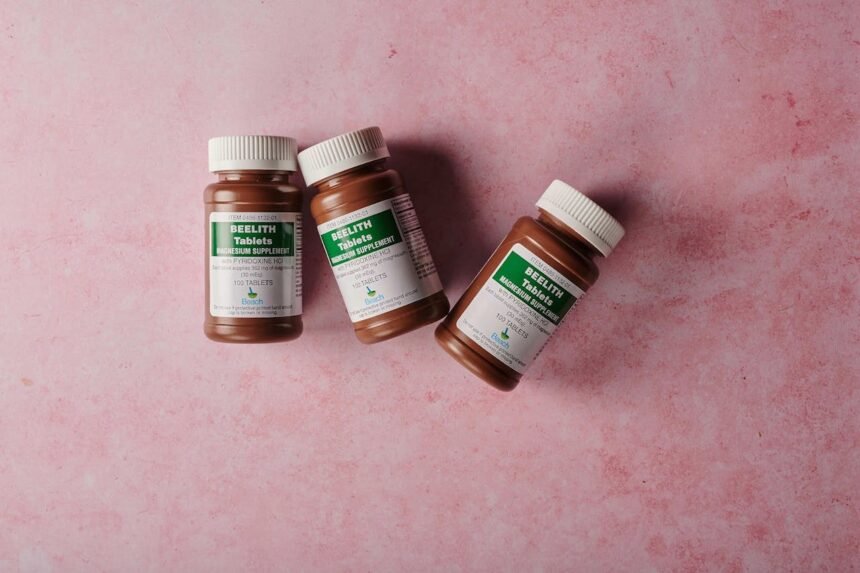
Sleep is essential for your physical health and mental wellbeing. Yet, many people in the UK struggle to get enough rest. If you have been searching for natural remedies, you have likely come across magnesium. It is one of the most popular supplements for relaxation. However, not all forms of magnesium are the same. Understanding the difference between magnesium glycinate vs citrate for sleep is crucial for choosing the right supplement for your needs.
Magnesium plays a role in over 300 enzyme systems in the human body. It regulates muscle and nerve function, blood sugar levels, and blood pressure. When it comes to sleep, it helps calm the nervous system. This article will explain the differences between the two most common forms: glycinate and citrate. We will look at absorption, side effects, and dosage. We will also explore how to improve your overall sleep hygiene.
Magnesium Glycinate: The Gentle Calmer
Magnesium glycinate is formed by combining elemental magnesium with the amino acid glycine. Glycine itself acts as a neurotransmitter in the brain. It encourages relaxation and can lower body temperature, which is a key signal that it is time to sleep.
Because glycine helps calm the brain, this form is often suggested for those with anxiety or high stress levels. It is highly bioavailable. This means your body can absorb it easily through the intestines. Unlike other forms, it is much less likely to cause an upset stomach. If you are wondering how to get deep sleep naturally, magnesium glycinate is a strong contender.
Research suggests that magnesium glycinate helps relax muscles. This is particularly beneficial if you experience cramping or restlessness at night. It prepares the body for a state of deep rest, allowing you to drift off more easily.
Magnesium Citrate: The Gut Mover
Magnesium citrate is magnesium bound with citric acid. This acid is found naturally in citrus fruits. It is one of the most common forms of magnesium found in pharmacies. It is also very affordable. The absorption rate is quite high, making it effective for raising magnesium levels in the blood.
However, magnesium citrate is famously known for its impact on digestion. It draws water into the intestines. This softens the stool and promotes bowel movements. Doctors often prescribe it for constipation. If you have a sensitive stomach, this might not be the best choice for sleep. Taking a high dose right before bed could lead to unwanted trips to the bathroom.
While it can help with relaxation, its primary use is often metabolic or digestive. If you suffer from occasional constipation and sleeplessness, this might kill two birds with one stone. For pure sleep focus, glycinate usually wins.
Absorption and Bioavailability Explained
Bioavailability refers to how much of the supplement actually enters your bloodstream. Both glycinate and citrate have good bioavailability compared to magnesium oxide. Magnesium oxide is cheap but poorly absorbed by the body.
Why Glycinate Absorbs Better
Glycinate is absorbed in a different part of the gut compared to other minerals. The presence of glycine protects the magnesium from binding with other substances that might block absorption. This efficient pathway makes it ideal for correcting deficiencies quickly.
Citrate and Water
Citrate works by osmosis. It pulls water into your gut. While this helps absorption, the rapid movement through the digestive tract can sometimes mean less magnesium is retained overall if it causes diarrhoea. It is important to find a balance.
Creating the Optimal Sleep Environment
Supplements are only one piece of the puzzle. Your bedroom environment plays a massive role in how well you rest. You need to create a sanctuary that signals safety and relaxation to your brain.
Air Quality and Nature
Bringing nature indoors can help. Some plants are excellent at purifying the air. Understanding the best plants for bedroom air quality and sleep can transform your room. Snake plants and peace lilies are popular choices because they release oxygen at night. Cleaner air can reduce snoring and improve overall rest.
Your Bedding Matters
Physical comfort is non-negotiable. If you wake up with aches and pains, it might be time to inspect your bed. There are clear signs you need a new mattress, such as sagging, lumps, or waking up stiffer than when you went to bed. A supportive mattress aligns your spine.
Furthermore, many people find comfort in pressure therapy. Using a weighted blanket can simulate the feeling of being held. This increases serotonin levels. However, you must choose the right one. A proper weighted blanket weight guide usually suggests a blanket that is roughly 10% of your body weight.
Soundscapes
Noise pollution is a common sleep thief. Some people need absolute silence, while others need background sound. There is a debate regarding brown noise vs white noise for sleep. White noise is static, like a fan. Brown noise is deeper, like a rumbling waterfall or heavy rain. Many find brown noise more soothing for masking traffic sounds.
Lifestyle Habits for Better Rest
Your daily routine dictates your nightly rest. Small changes in your behaviour can have a compound effect on your sleep quality. This is often referred to as sleep hygiene.
Morning Routine
Believe it or not, your sleep preparation starts when you wake up. Getting morning sunlight for better sleep is scientifically proven. Exposure to natural light resets your circadian rhythm. It tells your body to stop producing melatonin and start producing cortisol for energy. This ensures that melatonin production kicks in at the right time later that evening.
Relaxation Techniques
Wind down before bed is critical. Engaging in yoga poses for sleep and relaxation can lower your heart rate. Simple stretches like ‘Child’s Pose’ or ‘Legs-Up-The-Wall’ release physical tension accumulated during the day.
You might also try dietary additions. A warm cup of herbal tea is a classic remedy. For something different, try a banana tea for sleep recipe. Boiling a banana (with the peel on) releases magnesium and potassium into the water. It is a natural and tasty muscle relaxant.
Understanding Sleep Stages
Sleep is not a uniform state. We cycle through different stages throughout the night. It is important to know the difference between REM and deep sleep.
- Deep Sleep (NREM Stage 3): This is when the body repairs tissues, builds bone and muscle, and strengthens the immune system. It is the most restorative stage.
- REM Sleep (Rapid Eye Movement): This is when you dream. It is crucial for cognitive functions like memory consolidation, learning, and mood regulation.
Magnesium glycinate may help increase the amount of deep sleep you get. This prevents that groggy feeling in the morning. If you miss these stages, you enter sleep deprivation. The sleep deprivation stages timeline shows that after just 24 hours without sleep, your cognitive impairment is equal to being legally drunk.
Troubleshooting Common Sleep Issues
Even with supplements, problems can persist. Here is how magnesium and lifestyle changes address specific issues.
Waking Up Too Early
Many people fall asleep fine but wake up at 3 am. If you are researching how to stay asleep all night, magnesium glycinate can help by regulating blood sugar and cortisol. Stable blood sugar prevents those middle-of-the-night wake-up calls.
Teeth Grinding
Bruxism, or teeth grinding, often happens due to stress or muscle tension. Learning how to stop grinding teeth at night involves relaxing the jaw muscles. Magnesium is a natural muscle relaxant. It can reduce the intensity of jaw clenching, protecting your teeth and improving sleep quality.
Shift Work
Working irregular hours disrupts your body clock. Sleep hygiene tips for shift workers include wearing dark glasses on the way home and using blackout curtains. Magnesium can be particularly helpful for shift workers to signal to the body that it is time to wind down, regardless of what the sun is doing.
Alcohol and Sleep
Many people use a “nightcap” to fall asleep. However, the impact of alcohol on sleep quality is negative. While it helps you fall asleep faster, it destroys your sleep architecture. It reduces REM sleep and causes fragmentation. This means you wake up frequently, even if you do not remember it. Swapping alcohol for magnesium tea is a much healthier choice.
Dosage and Safety Considerations
Before starting any new supplement, consult your GP. This is especially true if you are on medication or have kidney issues. Kidneys are responsible for filtering magnesium.
For sleep, most studies use dosages between 200mg and 400mg. It is best to start low. Take the supplement about one hour before bed. The National Institutes of Health (NIH) provides comprehensive data on safe upper limits. Exceeding these limits typically leads to digestive upset, especially with citrate.
If you prefer not to take pills, you can eat magnesium-rich foods. Spinach, almonds, black beans, and pumpkin seeds are excellent sources. Nutrition.org.uk offers great dietary advice for increasing mineral intake naturally.
Frequently Asked Questions
Can I take both forms together?
It is possible, but usually unnecessary. If you need constipation relief and sleep support, a blend might work. However, sticking to glycinate is safer for long-term sleep hygiene.
How long does it take to work?
Some people feel the effects within days. For others, it may take a few weeks to build up levels in the body. Consistency is key.
Is it safe for children?
Magnesium is safe for children, but the dosage must be much lower. Always check with a paediatrician. For toddlers, parents often look at routine changes rather than supplements. However, if you are looking into family sleep dynamics, ensure the environment is calm.
The Bottom Line
When comparing magnesium glycinate vs citrate for sleep, glycinate is the superior choice for most people. Its high bioavailability and gentle impact on the stomach make it ideal for nightly use. It promotes relaxation and supports deep restorative sleep.
Magnesium citrate is a valid option if you also struggle with constipation, but its laxative effect can be disruptive. Remember that supplements work best when paired with a healthy lifestyle. Optimise your bedroom with the right plants and bedding. Watch your alcohol intake and get morning sunlight. By combining magnesium glycinate with these healthy habits, you can finally achieve the restful night you deserve.
Always consult a medical professional before beginning any new supplement regimen to ensure it is safe for your specific health needs.