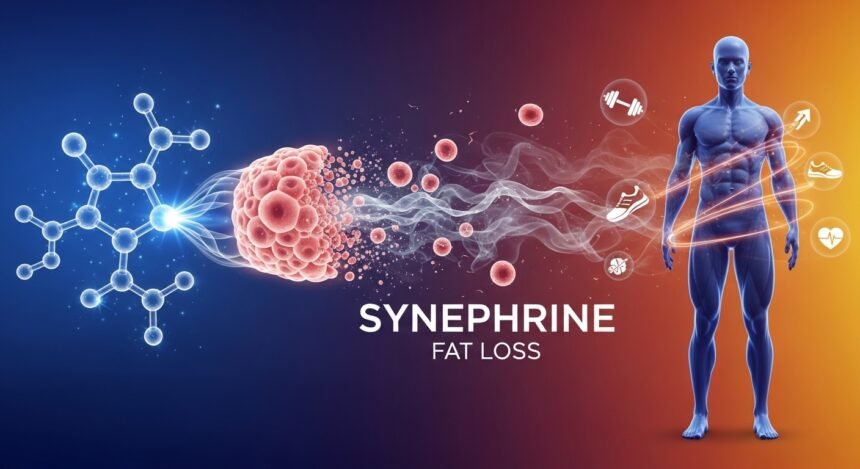
In the ever-evolving world of weight management supplements, few compounds have generated as much discussion as synephrine. Often marketed as a safe alternative to banned stimulants, it is a primary active compound found in the fruit of Citrus aurantium, better known as bitter orange.
For those seeking to shed excess weight, synephrine fat loss protocols often appear in online forums and supplement store shelves. However, understanding the biological mechanisms, safety profiles, and realistic expectations is crucial before adding any stimulant to your regimen.
Navigating the supplement industry can be overwhelming. Manufacturers often promise rapid results, but your health journey requires a measured, science-backed approach. This article explores the efficacy of bitter orange extract, how it influences your metabolic rate, and the precautions you must take.
Overview: What Is Synephrine?
Synephrine is a naturally occurring alkaloid found in various citrus plants, with the highest concentrations located in bitter orange. Historically, Traditional Chinese Medicine (TCM) utilised the peel of bitter orange (known as Zhi Shi) to treat digestive issues. Today, it is predominantly used for its potential citrus aurantium extract benefits regarding weight management.
Structurally, synephrine is similar to ephedrine, a potent fat burner that was banned in many countries due to severe cardiovascular risks. This structural similarity is why synephrine is often hailed as a natural ephedra alternative, aiming to provide the metabolic boost without the extreme heart risks associated with its predecessor.
The compound exists in different forms, but p-synephrine is the version most commonly found in dietary supplements. Unlike other stimulants that might cause jitteriness, p-synephrine binds to specific receptors in the body that may help mobilise fat stores.
Mechanisms: How Synephrine Affects Fat Loss
To understand how synephrine aids in weight reduction, we must look at how it interacts with the body’s nervous system. It functions as an adrenergic receptor agonist, specifically targeting beta-3 adrenergic receptors.
Metabolic Rate Enhancement
One of the primary goals of any fat burner is metabolic rate enhancement. When you consume synephrine, it may increase your body’s basal metabolic rate (BMR). This is similar to the process described in Brown Fat Activation: How to Turn on Your Body’s Calorie-Burning Tissue, where the body generates heat and burns calories.
By activating these receptors, synephrine signals the body to increase lipolysis—the breakdown of fats. This is particularly relevant when trying to target difficult areas, a concept discussed in The Stubborn Fat Science: Why Some Areas are Harder to Lean Out.
Fat Oxidation Rate
Beyond simply burning calories, synephrine may improve the fat oxidation rate during exercise. This means your body becomes more efficient at using stored fat as fuel rather than relying solely on carbohydrates.
Research suggests that the effects are amplified during physical activity. If you are already engaging in regimens like Fasted Walking: Does Morning Cardio Help You Burn Fat Faster?, the addition of a thermogenic aid might theoretically enhance the results, though individual responses vary.
Comparison: p-Synephrine vs Ephedrine
A major point of confusion—and concern—is the comparison of p-synephrine vs ephedrine. While they look similar on a molecular level, their effects on the body differ significantly in intensity.
Ephedrine binds non-selectively to beta-1 and beta-2 receptors, which heavily influence heart rate and blood pressure. This non-selective binding is what caused the dangerous cardiovascular events leading to its ban.
Conversely, p-synephrine has a higher affinity for beta-3 receptors. These are primarily involved in lipid metabolism and thermogenesis rather than heart rate regulation. While it is not devoid of cardiovascular effects, the supplement safety profile of p-synephrine is generally considered more favourable than that of ephedrine when used at recommended dosages.
Synergistic Effects and Stacking
Supplements are rarely taken in isolation. In the context of synephrine fat loss, you will frequently see it paired with other compounds.
The Caffeine Connection
It is very common to combine caffeine and synephrine in commercial “fat burner” stacks. Studies suggest a synergistic effect where the two compounds work together to boost energy and metabolism more effectively than either could alone. This creates a significant pre-workout energy boost, allowing for more intense training sessions.
However, this combination also increases the risk of side effects. If you are sensitive to stimulants, you might consider non-stimulant alternatives or methods discussed in Cold Thermogenesis: Can Exposure to Cold Increase Your Metabolic Rate? to boost metabolism without the jitters.
Other Natural Pairings
For a comprehensive approach to weight management, some users pair thermogenics with appetite suppressants. For instance, learning How to Use Glucomannan Powder for Appetite Control and Weight Management can tackle the hunger side of the equation while synephrine addresses the metabolic side.
Additionally, supporting the transport of fatty acids into the mitochondria is crucial. This is where supplements like carnitine come into play, as detailed in L-carnitine Liquid: Benefits for Energy Metabolism and Fat Transport.
Dosage and Usage Guidelines
Determining the correct synephrine dosage for weight loss is vital for safety. Most clinical studies examining the metabolic benefits of p-synephrine use dosages ranging between 10 mg to 50 mg per serving, taken one to three times daily.
Standard protocols usually involve:
- Beginner: 10–20 mg to assess tolerance.
- Intermediate: 20–50 mg per dose.
- Frequency: Not exceeding 100 mg per day.
It is important to note that Citrus aurantium extracts vary in potency. Always read the label to identify the exact concentration of active alkaloids. While some look for a resting metabolic rate boost, taking excessive amounts will not linearise the benefits and will drastically increase safety risks.
If you are following a ketogenic diet, synephrine can be used alongside other fat-focused supplements. For example, understanding MCT Oil Benefits: How Medium-Chain Triglycerides Support Ketosis can help you build a stack that supports ketone production and metabolic rate simultaneously.

Safety, Side Effects, and Precautions
Despite being natural, bitter orange side effects are a reality that must be managed. Because it is a stimulant, it can affect the cardiovascular system.
Cardiovascular Health
Potential side effects include elevated heart rate, increased blood pressure, anxiety, and headaches. Regular blood pressure monitoring is essential if you choose to use this supplement, especially if you have a family history of hypertension or heart disease.
Drug Interactions
Synephrine can interact with Monoamine Oxidase Inhibitors (MAOIs) and other antidepressants. It interacts with enzymes in the liver (cytochrome P450), which can alter the way your body processes other medications. Always consult a GP or pharmacist before starting.
Who Should Avoid It?
- Pregnant or breastfeeding women.
- Individuals with heart conditions, high blood pressure, or glaucoma.
- Those with a history of seizures.
If you are looking for fat loss aids that are less stimulating, you might investigate CLA Supplements: What the Research Says About Conjugated Linoleic Acid or focus on dietary inclusions found in Top Lipolysis Foods That Help Your Body Break Down Stored Fat.
Appetite Suppression
Beyond burning fat, some users report appetite suppression effects. While less potent than pharmaceutical anorectics, this mild suppression can help with calorie adherence.
However, reliance on stimulants for hunger control is not a long-term strategy. It is often better to rely on high-volume foods or metabolic tissues for regulation, as described in Understanding Brown Adipose Tissue: Its Role in Thermogenesis and Health.
Tips for Maximising Results
If you decide that synephrine is right for you, integrate it into a broader lifestyle plan:
- Prioritise Sleep: Stimulants can disrupt sleep. Avoid taking them within 6 hours of bedtime.
- Hydration: Thermogenics increase body temperature and sweating; increase water intake accordingly.
- Dietary Foundations: No supplement corrects a poor diet. Ensure you are in a calorie deficit or cycling carbohydrates effectively (see A Complete Carb Cycling Plan for Sustainable Fat Loss and Energy).
- Cycle Usage: The body can build a tolerance. Use natural thermogenic supplements for 8–12 weeks, then take a 4-week break.
The Bottom Line
Synephrine fat loss strategies offer a middle ground between mild natural aids like green tea and potent, banned stimulants. The compound, derived from bitter orange, shows promise in increasing metabolic rate and fat oxidation, especially when paired with exercise.
However, it is not a magic pill. The difference between a safe aid and a health risk often lies in the dosage. Always prioritise safety over speed. If you experience chest pain, dizziness, or severe anxiety, discontinue use immediately and seek medical attention.
Ultimately, the most effective path to a leaner body involves consistent nutrition, movement, and perhaps the careful inclusion of supplements to support your hard work.