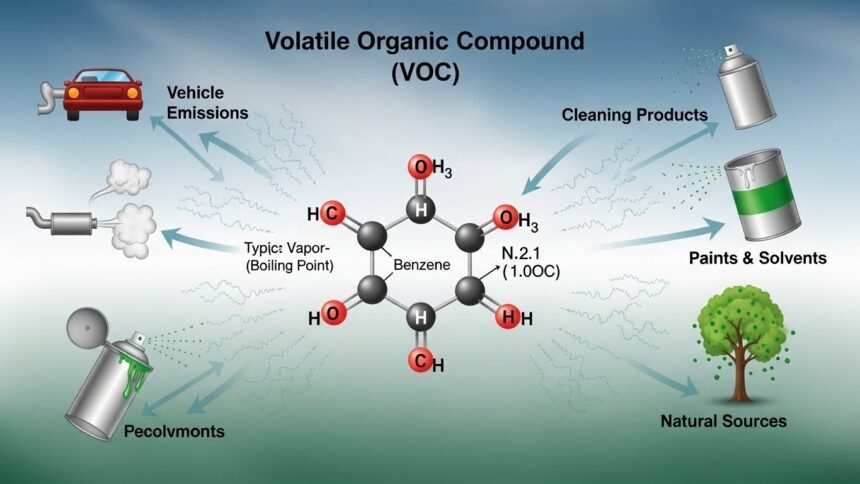
We often perceive our homes as the safest places in our lives—a sanctuary away from the hustle, bustle, and pollution of the outside world. However, research increasingly suggests that the air inside our homes can sometimes be more polluted than the air outside. A significant contributor to this invisible issue is a group of chemicals known as volatile organic compounds (VOCs).
While the term might sound like something from an industrial laboratory, VOCs are incredibly common. They are emitted as gases from certain solids or liquids that we interact with daily. From that distinctive “new car smell” to the scent of a freshly painted wall or the aroma of a lemon cleaning spray, VOCs are everywhere.
Understanding how to manage and reduce these compounds is essential for maintaining a healthy living environment, particularly if you or your family members suffer from respiratory conditions like asthma or allergies. Fortunately, reducing your exposure doesn’t require rebuilding your house; it simply requires awareness and a few strategic changes to your daily routine.
What Are Volatile Organic Compounds (VOCs)?
Volatile organic compounds are carbon-based chemicals that evaporate (become a gas) easily at room temperature. This property is known as volatility. Because they turn into vapour so readily, they mix with the indoor air you breathe, often accumulating to concentrations far higher than those found outdoors.
According to Healthline’s overview of VOCs, these chemicals are ubiquitous in modern life. They are used as ingredients in a vast array of household products. When these products are used, or even when they are stored, they release organic carbon molecules into the air.
Common Sources in the Home
The sources of VOCs are likely sitting in your cupboards or furnishing your rooms right now. The US Environmental Protection Agency (EPA) identifies several primary sources, including:
- Paints and solvents: Wood preservatives, paint strippers, and varnishes.
- Cleaning supplies: Aerosol sprays, cleansers, and disinfectants.
- Building materials: Plywood, glues, and adhesives.
- Furnishings: New carpets, vinyl flooring, and upholstery foam.
- Personal care products: Nail polish, perfume, and hairspray.
Perhaps the most well-known VOC is formaldehyde, which is frequently used in pressed wood products and synthetic fabrics. Over time, these materials undergo a process called “off-gassing,” where they slowly release chemicals into your home environment.
Symptoms and Health Risks of VOC Exposure
The health effects of inhaling VOCs can vary widely depending on the type of chemical, the level of exposure, and the duration of time you are exposed. Some people may be highly sensitive, while others might not notice immediate effects.
Short-term symptoms often resemble a common cold or allergy attack. As noted by the NHS regarding asthma triggers, indoor air pollutants can significantly exacerbate existing respiratory conditions. Common immediate signs include:
- Eye, nose, and throat irritation.
- Headaches and dizziness.
- Nausea or vomiting.
- Worsening of asthma symptoms.
Long-term exposure is more concerning. Prolonged inhalation of certain VOCs has been linked to chronic respiratory diseases, liver and kidney damage, and central nervous system disruption. The World Health Organization (WHO) has extensively documented the global burden of disease associated with household air pollution, emphasising the need for cleaner indoor environments.
Actionable Steps to Reduce VOCs in Your Home
Reducing the level of volatile organic compounds in your home is a proactive way to prioritise your long-term health. While it is impossible to eliminate every single molecule, you can significantly lower the concentration through targeted actions.
1. Prioritise Ventilation
The most effective way to lower the concentration of indoor pollutants is dilution. By bringing in fresh outdoor air, you displace the stale, chemical-laden air inside.
- Create a cross-breeze: Open windows on opposite sides of your home for at least 10–15 minutes daily. This encourages a draft that flushes out stagnant air.
- Use trickle vents: Ensure the trickle vents on your UPVC windows are open year-round to allow a slow, constant exchange of air.
- Cook with extraction: Always run your cooker hood when cooking, and ensure it vents externally rather than just recirculating the air.
Guidance from Asthma + Lung UK suggests that good ventilation is crucial for preventing the buildup of damp and mould, which can also contribute to poor air quality alongside VOCs.
2. Practice Source Control
Stopping VOCs from entering your home in the first place is far more efficient than trying to remove them later. This is known as source control.
- Choose Low-VOC Paints: When decorating, look for paints labelled “Low VOC” or “Zero VOC.” UK regulations have tightened, but checking the label is vital.
- Unwrap Outdoors: If you buy new furniture that smells strongly (off-gassing), try to unwrap it and leave it in a garage or shed for a few days before bringing it into your main living space.
- Natural Cleaning: Switch to traditional cleaning agents like white vinegar, bicarbonate of soda, and lemon juice. These are effective and do not release harmful solvents.
3. Invest in an Air Purifier with Activated Carbon
Not all air purifiers are created equal. Standard HEPA filters are excellent for particles like dust and pollen, but they cannot trap gases.
To effectively reduce VOCs, you need an air purifier equipped with an activated carbon filter. The carbon works through a process called adsorption, where chemical gases get trapped in the porous structure of the carbon. A report by the Royal College of Physicians highlights the lifelong impact of air pollution and suggests that managing indoor air quality is a key preventative measure.
4. Control Temperature and Humidity
High temperatures and high humidity can increase the rate at which chemicals off-gas from building materials and furniture. Keeping your home cool and dry can slow this process down.
- Aim for 40–50% humidity: Use a dehumidifier if your home is prone to damp.
- Keep it cool: Avoid overheating your home in winter, as heat accelerates the release of formaldehyde from wood products.
5. Be Mindful of Scented Products
We often associate pleasant scents with cleanliness, but artificial fragrances are a major source of indoor VOCs. Air fresheners, scented candles, and incense sticks release terpenes and other chemicals that can react with ozone in the air to form secondary pollutants.
Allergy UK warns that these products can be significant irritants for people with chemical sensitivities. Opt for fragrance-free products or natural alternatives like dried lavender.
Comparison: Traditional Products vs. Low-VOC Alternatives
To help you make better purchasing decisions, the table below compares common household items with safer, lower-VOC alternatives.
| Product Category | High-VOC Source | Why It Is Harmful | Low-VOC Alternative |
|---|---|---|---|
| Paint | Oil-based paints | Release high levels of solvents during drying. | Water-based or clay-based paints labelled “Zero VOC”. |
| Flooring | Vinyl or Synthetic Carpet | Adhesives and synthetic backings off-gas for months. | Solid wood, bamboo, cork, or wool carpet (no glue). |
| Cleaning | Bleach & Aerosols | Contain harsh chlorine and propellants. | Vinegar, water, mild soap, and microfibre cloths. |
| Furniture | Pressed Wood (MDF) | Contains formaldehyde resins. | Solid wood or second-hand furniture (already off-gassed). |
| Scents | Paraffin Candles | Release benzene and toluene when burned. | Beeswax or soy candles with essential oils. |
Frequently Asked Questions
Do houseplants really remove VOCs?
While a famous NASA study suggested plants can remove toxins, real-world conditions are different. In a typical home, you would need hundreds of plants to replicate the air-cleaning capacity of simply opening a window. They are beneficial for wellbeing, but do not rely on them as your sole filtration method.
How do I test for VOCs in my home?
You can purchase consumer-grade air quality monitors that detect “Total VOCs” (tVOC). While not as accurate as laboratory equipment, they can help you identify spikes in pollution—for example, when you are cleaning or cooking—so you can improve ventilation immediately.
Is the smell of a new carpet dangerous?
The “new carpet smell” is caused by 4-phenylcyclohexene and other chemicals off-gassing. While usually not life-threatening, it can cause headaches and eye irritation. GOV.UK guidance on indoor air quality recommends increasing ventilation significantly during and after installing new flooring.
Are VOCs linked to cancer?
Some specific VOCs, such as benzene and formaldehyde, are classified as carcinogens. Cigarette smoke is a major source of benzene. Cancer Research UK advises that keeping your home smoke-free is one of the most important steps to reducing carcinogenic exposure indoors.
The Bottom Line
Volatile organic compounds are an invisible but potent component of our indoor environment. While modern living makes it difficult to avoid them entirely, you have more control over your home’s air quality than you might realise. By making conscious choices—such as selecting low-VOC paints, reducing the use of harsh chemical cleaners, and prioritising fresh air ventilation—you can create a safer, healthier haven for yourself and your family.
Remember, you do not need to overhaul your lifestyle overnight. Start with small changes, like opening windows more frequently or switching to fragrance-free laundry detergent. As highlighted by the National Institute for Health and Care Excellence (NICE), improving indoor air quality is a vital step toward long-term respiratory health. Taking these steps today can help you breathe easier tomorrow.
Further reading on the broader impacts of air pollution can be found via BBC News, which frequently covers developments in air quality science.