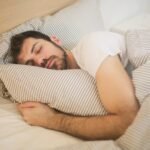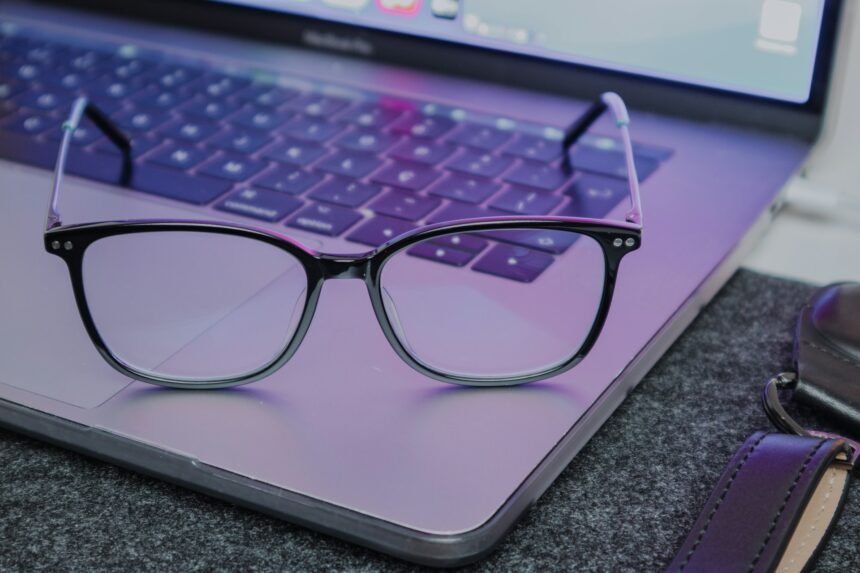
In our digital age, screens are everywhere. From the smartphone you check in the morning to the television you watch before bed, artificial light is a constant companion. This exposure has led to a surge in popularity for blue light blocking glasses. Many people claim these spectacles are the key to a good night’s rest. But does the science back up the marketing?
Blue light is a specific wavelength of light found in sunlight and digital screens. During the day, it helps keep us alert and awake. However, exposure at night can confuse your body’s internal clock. This disruption often leads to difficulty falling asleep or staying asleep. The NHS suggests that reducing screen time is vital for sleep hygiene, but not everyone can disconnect completely.
This article explores whether blue light glasses for sleep effectiveness is a proven concept or just a placebo. We will look at scientific evidence, alternative remedies, and practical tips to improve your slumber.
Understanding Blue Light and Melatonin
To understand if the glasses work, we must first understand the mechanism. Your brain produces a hormone called melatonin when it gets dark. This hormone signals to your body that it is time to wind down. Blue light mimics daylight, tricking your brain into thinking it is still daytime.
This suppression of melatonin can be significant. Even a quick glance at a phone screen can delay melatonin release. This is why experts often warn about the effect of caffeine on sleep cycle and light exposure in the same breath. Both act as stimulants that push back your natural sleep window. Research from the Sleep Foundation highlights how this spectrum affects alertness more than any other light type.
Do the Glasses Actually Work?
The premise of blue light glasses is simple. They have lenses filtered to block or absorb blue light waves. By wearing them in the evening, you theoretically protect your melatonin levels without having to turn off your devices. However, the scientific verdict is mixed.
Some small studies suggest that wearing these glasses for a few hours before bed can help. Users reported falling asleep faster and feeling more rested. However, other larger reviews have found inconclusive evidence regarding blue light glasses for sleep effectiveness specifically. They may reduce eye strain, but their impact on sleep quality varies from person to person.
A study published on PubMed noted that while subjective sleep quality improved for some, objective measures like sleep duration did not always change significantly. It is likely that they are a tool, but not a cure-all.
Creating the Ideal Sleep Environment
If you are struggling to rest, relying solely on glasses might not be enough. Your bedroom environment plays a massive role. One often overlooked factor is temperature. Experts suggest that the best temperature for sleep celsius is generally between 16°C and 18°C. A room that is too warm can disrupt your body’s natural cooling process during the night.
You should also look at your bedding and noise levels. Optimising your bedroom creates a sanctuary for rest. Blackout curtains are far more effective than blue light glasses for blocking out intrusive streetlamps or early sunrises.
Dietary Habits for Better Rest
What you consume is just as important as what you see. We already know to avoid espresso late in the day. However, adding positive elements to your diet can help. Many people find success with a warm cup of herbal tea to help you sleep better. Ingredients like chamomile and valerian root have mild sedative properties that encourage relaxation.
It is not just about liquids. Heavy meals right before bed can cause indigestion, keeping you awake. Ideally, you should finish eating at least three hours before you plan to sleep. This gives your body time to digest food properly so it can focus on repair and rest during the night.
Natural Relaxation Techniques
Sometimes, the barrier to sleep is an overactive mind rather than blue light. Engaging in a calming routine is essential. Aromatherapy is a popular choice in the UK. Using lavender oil for sleep benefits is a time-honoured remedy. Research indicates that the scent of lavender lowers heart rate and blood pressure, putting you in a relaxed state.
You can use a diffuser or simply sprinkle a few drops on your pillow. Combine this with deep breathing exercises for maximum effect. Mind, the mental health charity, recommends establishing a wind-down routine that signals to your body that the day is over.
Tools and Accessories
Beyond glasses, other accessories might offer better results. For those sensitive to light or who need a sensation of security, a mask can be helpful. Specifically, weighted eye mask benefits include blocking out 100% of light while providing gentle pressure. This pressure can stimulate the vagus nerve, promoting relaxation similar to a weighted blanket.
Technology can also be an ally if used correctly. While we want to avoid screens, audio tools are excellent. There are many options available, so looking for the best sleep apps for free can save you money while providing guided meditations or sleep stories. Using technology wisely means listening without watching.
Troubleshooting Common Sleep Issues
Even with the right gear, you might face hurdles. A common complaint is quality over quantity. You might ask, “why do i feel tired after 8 hours of sleep?” This often points to poor sleep quality rather than duration. You might be getting enough hours, but if you aren’t reaching deep sleep phases, you will wake up groggy. BBC Future explains that sleep inertia can also play a role here.
If you want to shift your routine, for example, to hit the gym before work, you need a plan. Learning how to wake up early without feeling tired involves shifting your bedtime gradually. You cannot simply force yourself awake three hours early and expect to feel good. Consistency is key.
Dealing with Middle-of-the-Night Wakefulness
Waking up in the early hours is incredibly frustrating. Knowing what to do when you can’t sleep at 3am can prevent a bad night from becoming a disaster. The golden rule is: do not watch the clock. Staring at the time increases anxiety.
If you have been awake for more than 20 minutes, get out of bed. Go to a different room and do something low-energy, like reading a book with a dim light. Do not check your phone. Breaking the association between your bed and frustration is crucial for long-term success.
Specific Techniques and Fixes
For those who need a rigid structure, military techniques have gained viral fame. You can try the military sleep method step by step to relax your body systematically. It involves relaxing every muscle group from your face down to your toes while visualizing a calm scene. It takes practice, but many soldiers swear by it for sleeping in difficult conditions.
If your body clock is completely upside down—perhaps due to shift work or jet lag—you need a reset. Learning how to fix a reversed sleep schedule takes patience. You must manipulate light exposure. Get bright light immediately upon waking and avoid all light for two hours before your target bedtime. NIH guidelines suggest that light is the strongest cue for resetting your clock.
When to Seek Medical Help
Sometimes, sleep issues are a sign of a larger health problem. It is helpful to review a common sleep disorders list to see if your symptoms match. Conditions like restless leg syndrome or narcolepsy require medical intervention.
Gender can also influence how symptoms present. For instance, signs of sleep apnea in women are often different from men. While men often snore loudly, women might experience subtle symptoms like morning headaches, mood changes, or simply waking up unrefreshed. The British Snoring & Sleep Apnoea Association offers resources to help identify these subtle signs. Never ignore chronic fatigue.
Sleep and Ageing
As we age, our sleep patterns naturally change. Elderly individuals often struggle to stay asleep. Instead of reaching for heavy medication, many prefer natural remedies for insomnia in elderly people. These can include magnesium supplements, tart cherry juice, or gentle yoga.
Maintaining a routine is even more critical in later years. Age-related sleep changes are normal, but severe insomnia is not. Age UK provides advice on how to stay active during the day to promote better rest at night.
The Bottom Line
Do blue light glasses work? They can be a helpful tool, particularly if you must work on screens late at night. However, they are not a magic bullet. Blue light glasses for sleep effectiveness relies heavily on being part of a broader sleep hygiene strategy.
To truly improve your rest, you must look at the big picture. This includes your room temperature, your caffeine intake, your stress levels, and your daily routine. Combining these glasses with other methods, like a weighted mask or aromatherapy, will likely yield the best results. If problems persist, always consult a GP to rule out underlying conditions.